
When a Veteran Refuses Mental Health Help: What Family Can Do

Jasmine Zaman – PA-C
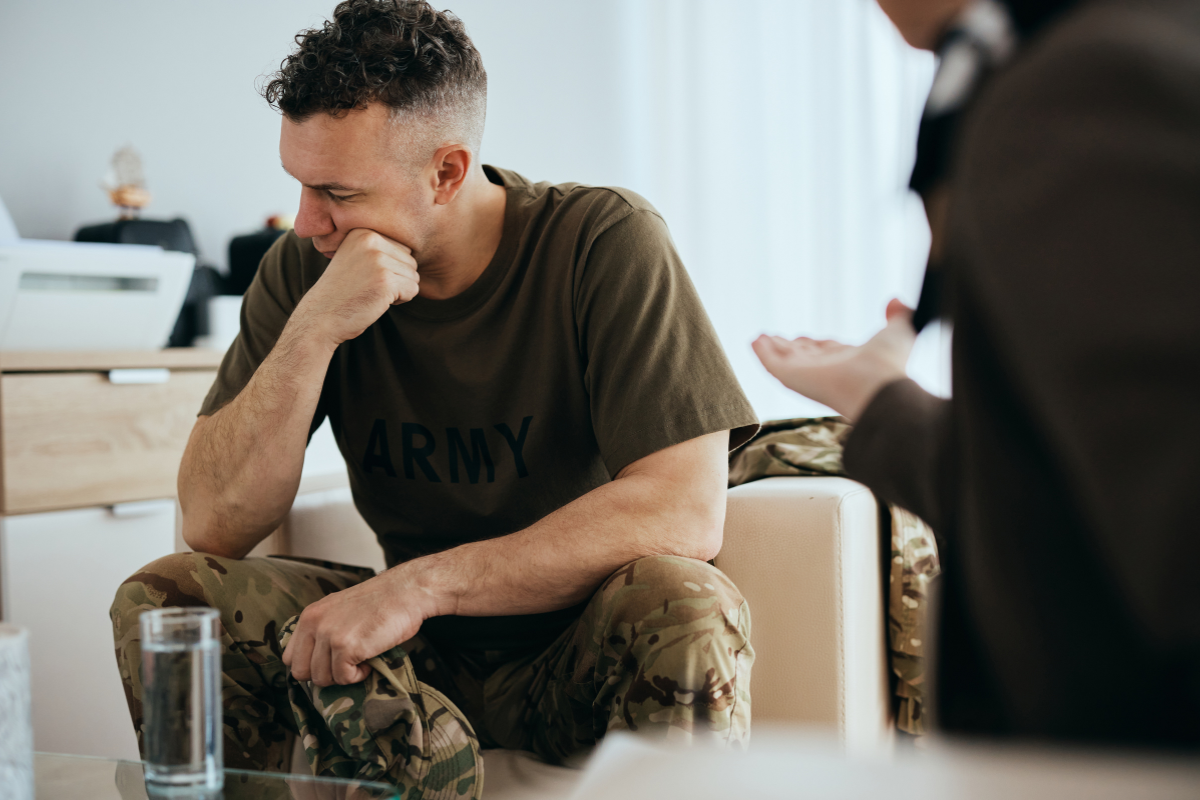
The sleep is gone, the temper is short, and the person you know has felt far away for months. You’ve raised it, maybe more than once, and been told to drop it. You can’t force an adult into treatment, and that is the hardest part of loving a veteran who refuses mental health help. What you can do is change the odds.
Why Military Stigma Makes Asking for Help So Hard
In the military, the job depends on being the person everyone else can count on. Saying you’re struggling can feel like breaking that, so “I’m fine” becomes reflex long before anyone comes home.
Practical fears sit underneath the cultural ones. Many veterans believe treatment won’t help, don’t recognize what they’re carrying as post-traumatic stress disorder (PTSD) rather than a personal failing, or can’t see how appointments would fit around work. Some also remember what disclosure meant while they were serving, when getting help and your military career felt like a real trade-off.

How to Help a Veteran Who Refuses Mental Health Help
The instinct is to push harder, and the evidence points the other way. Families in a Department of Veterans Affairs coaching program were taught to ease the pressure and use an autonomy-supportive approach, offering help while making clear the decision stays with the veteran.
In practice, that comes down to four small moves:
- Naming one specific thing you’ve noticed instead of a diagnosis, so it becomes “you were up at three again” rather than “you have PTSD”
- Asking first, with something like “can I say one thing I’ve been sitting on?”, so they have a yes to give you
- Picking a moment with no audience and no deadline, like a drive rather than dinner
- Saying what you want once and letting it sit, since repeating it turns a request into pressure
The general rules for talking with someone who is struggling apply here. Listen more than you correct, and skip the advice nobody asked for.
Supporting a Veteran With PTSD Without Enabling
Support and accommodation blur fast in a house organized around someone else’s symptoms. You start calling in sick for them, handling every appointment, or steering the whole family around the moods.
The test is whether your help makes their life workable or makes avoidance cost nothing. Driving them to an appointment they agreed to is support. Cancelling it for them so they never have to explain themselves is something else.
You can also say what you will and won’t keep doing, as long as it isn’t delivered as an ultimatum. Ultimatums tend to produce compliance or a fight, and neither one is a treatment.
What Helps When a Veteran Refuses Therapy

Lowering the barrier often matters more than another conversation. A primary care visit is easier to accept than a psychiatrist, and sleep problems are a legitimate way in. Telehealth removes the waiting room, which some veterans find harder than the appointment itself. TRICARE and other insurance often cover mental health care, and veterans who prefer to stay outside the VA system still have options.
The VA also keeps guidance for family members trying to start these conversations, though its dedicated coaching line closed in 2024 and those calls now route to the Caregiver Support Line.
You can start your own care without waiting for them, too. Living alongside untreated trauma has a cost, and secondary traumatic stress is something to catch early rather than late.
Final Thoughts
You can keep the door open, hold your own footing, and make the next step small enough to take. If you want to know what care looks like before they’re ready, psychiatric care for veterans and military families is a place to start, and you can book for yourself whether or not they come along.
Frequently Asked Questions (FAQs)
1. Can you convince a veteran to get help?
You can’t argue someone into treatment. What tends to work is steady, low-pressure contact and one specific offer, made at a moment they can hear it. The decision still belongs to them, which is part of why the approach works.
2. What if they get angry when I bring it up?
Anger is common, and it usually means the subject landed close to home. End the conversation rather than escalate it, then come back another day. Raising it calmly once a month does more than pressing three times in one night.
3. What if I think my veteran is in danger?
Treat that worry as urgent rather than waiting until you are certain. Call the Veterans Crisis Line by dialing 988 and pressing 1, which is staffed around the clock. You don’t need their permission to call, and the responder can talk through what to do next.


Animo Sano Psychiatry is now serving patients across multiple states. If you’d like to schedule an appointment, please contact us to get started.
Get Access to Behavioral Health Care
Let’s take your first step towards. Press the button to get started. We’ll be back to you as soon as possible.ecovery, together.