
First Responders and Drinking: Am I Drinking Too Much?

Soji Ojo MD, MPH
Key Takeaways
- After-shift drinking is so normalized in fire, police, EMS, and military culture that a real problem can grow for years without being named.
- Drinking to switch off is often self-medication. Naming it makes the thing underneath easier to address, whether that is trauma symptoms, anxiety, or poor sleep.
- Alcohol feels like it helps you sleep. It measurably makes sleep worse, and it can intensify the nightmares and stress symptoms you’re drinking to suppress.
- Whether drinking is a problem takes more than a question about frequency. Look at how it affects your sleep, mood, and ability to function.
- Cutting back is much harder when the underlying condition goes untreated. Treat the fire, not just the smoke.
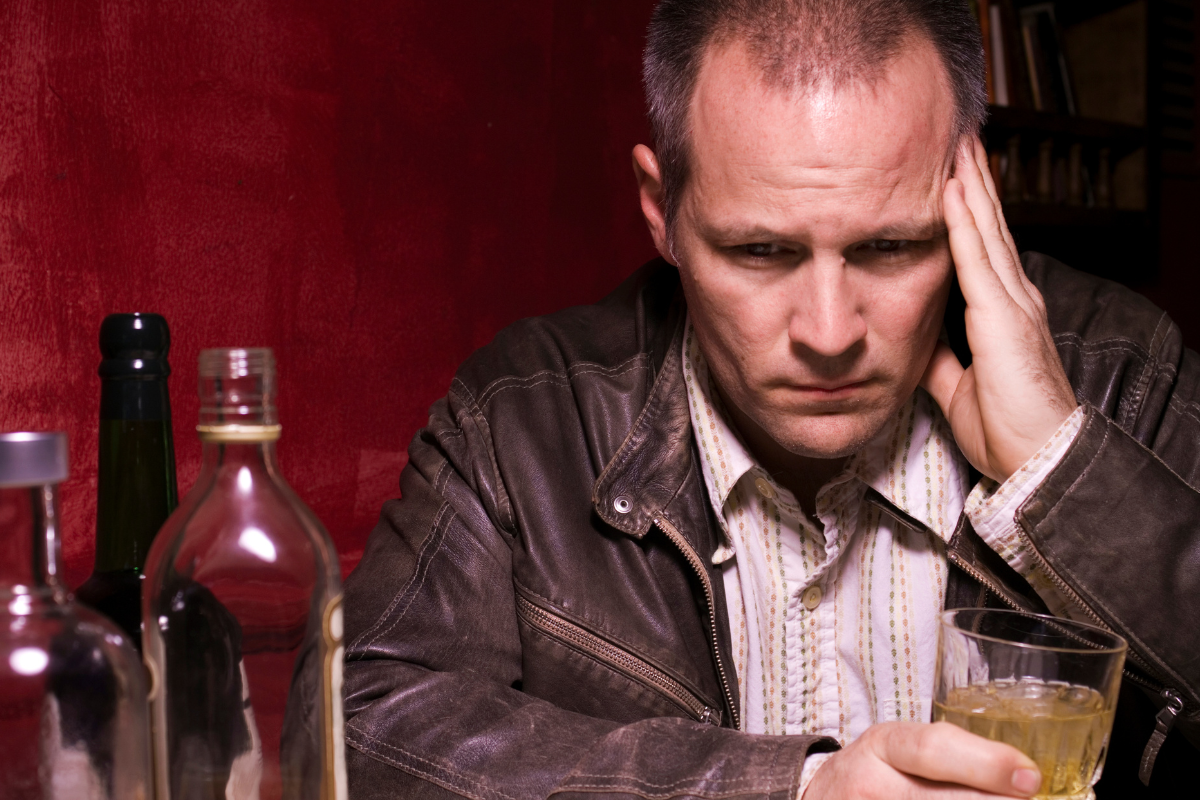
It starts with one or two after a rough shift. Everybody does it, nobody questions it, and most of the time it feels less like drinking and more like decompression. If the nightly count has been creeping up, or you’ve noticed you can’t switch off without it, this is not a lecture. It’s an honest look at what those drinks are doing, what they might be covering, and when the routine deserves a closer look.
First Responders and Drinking: The Culture Nobody Questions
In emergency services, alcohol isn’t just available. It’s woven into the culture. It’s how crews bond, how retirements are toasted, and how bad calls get buried. When drinking is the approved way to process the job, nobody has to explain their pour.
The numbers reflect it. In a SAMHSA research bulletin on first responder behavioral health, heavy or binge drinking in the past month was reported by roughly half of male firefighters, and studies of police officers found significant links between disaster response work and hazardous drinking. Those aren’t statistics about other people.
They describe an occupational norm, which is exactly why a growing problem is so easy to miss from inside it. If the nightly drink has become automatic for you, you’re not alone in it.

Drinking to Cope: How Self-Medication Works
Self-medication means using a substance to manage symptoms of an untreated condition: quieting anxiety, dulling intrusive memories, forcing sleep. It works just well enough to be convincing. Alcohol takes the edge off a nervous system stuck in high gear, and for a few hours the noise stops.
The catch is what happens next. As alcohol wears off, the nervous system rebounds, often more wound up than before. Research bears out how tightly these problems intertwine: among people with alcohol use disorder, roughly 15–30% also have PTSD, and the rate climbs to 50–60% among military personnel and veterans, with each condition capable of worsening the other.
Alcohol use disorder is the clinical term for a pattern of drinking a person has difficulty controlling despite consequences. It’s a medical condition, not a character verdict.
The loop runs in four stages. A hard shift ends and you’re wound up, mind still running. A few drinks bring you down, and the off-switch appears to work.
Then sleep gets worse rather than better, fragmented and short on REM. Symptoms rebound harder the next day, with more anxiety and a shorter fuse. Each time around, the dose creeps up.
That’s the self-medication trap: the drinks treat the symptom for a night while feeding the condition underneath. Over time it takes more alcohol to get the same effect, not because you’re weak, but because that’s how tolerance works.
Does Alcohol Really Help You Sleep?
This is the most common defense of the nightly drinks, and it deserves a straight answer. Alcohol does help you fall asleep faster. It also fragments your sleep, waking your brain briefly over and over, and reduces REM sleep, the stage your brain needs for memory, mood, and feeling rested. The same clinical source notes alcohol can fuel vivid dreams and nightmares, which can worsen symptoms of post-traumatic stress.
REM sleep is when your brain files away the day, including the hard calls. Cut it short night after night and you wake up tired, edgier, and less able to tolerate stress, which makes tomorrow night’s drinks feel even more necessary. Trauma symptoms and broken sleep feed each other this way. If sleep is the reason you drink, sleep is also the treatable problem hiding underneath.
An Honest Self-Check, No Labels Required
You don’t need a label to ask whether the routine is still serving you. The question isn’t “do I have a problem?” It’s “is this tool still working for me?”
- The number of drinks it takes to come down has crept up
- You need a drink to fall asleep, and you’re still tired every morning
- You feel irritable or restless on nights you don’t drink
- You’ve started protecting your drinking time, or drinking earlier
- Someone who cares about you has mentioned it, even as a joke
- You’ve tried to cut back and it didn’t stick
If two or more feel familiar, that isn’t a diagnosis. It doesn’t make you a person with a drinking problem. It makes you someone whose coping tool has started charging interest, and that’s worth a conversation with a provider while it’s early.
Why Cutting Back Is Harder Than It Should Be
Plenty of first responders have white-knuckled a dry month, felt the anxiety and sleeplessness surge, and concluded the alcohol was holding them together. It wasn’t. The untreated condition underneath, whether trauma symptoms, anxiety, or insomnia, was unmasked the moment the anesthetic stopped.
That’s why willpower-only attempts fail so often, and why the sequence matters. With the right support for the condition underneath, cutting back stops being a daily act of endurance. Untreated trauma symptoms rarely fade on their own, and they respond well to treatment.
One important safety note: if you have been drinking heavily every day, do not stop abruptly on your own. Alcohol withdrawal can be medically serious, and a provider can help you make the change safely. Speak with a provider before making a sudden change.
What Psychiatric Care for First Responders Looks Like

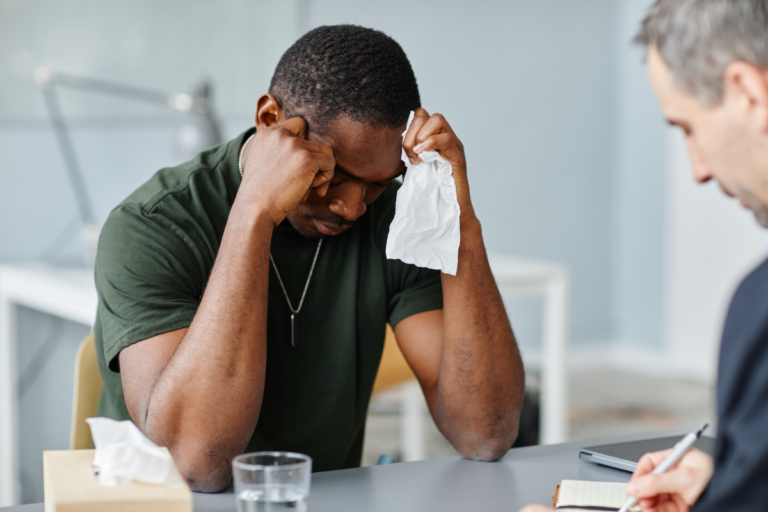
Psychiatric care for first responders treats the mental health side of this: the trauma symptoms, anxiety, and sleep problems that make the nights hard. It’s confidential, it respects your privacy, and the goal is your wellbeing, not a label on your file.
It starts with an evaluation, not of your drinking, but of everything: sleep, stress symptoms, mood, and what the job has put in front of you. Treatment then targets what’s driving the nights, through trauma-focused therapy, treatment for anxiety or insomnia, and medication management when appropriate. When drinking has grown into an established problem of its own, it deserves dedicated support too, and a psychiatric provider can help you figure out the right combination and connect you with it.
If privacy is what’s stopping you, telehealth means no waiting-room run-ins, and getting help voluntarily is far less career-risky than most responders assume. Nobody at the station needs to know.
Final Thoughts
Noticing that the drinks have crept up isn’t a confession. It’s situational awareness, the same skill you use on every call, pointed inward for once. The earlier you look, the easier the fix.
Psychiatric care built for first responders and service members starts with the trauma symptoms, anxiety, and sleep problems driving the nights. Taking the first step is just a conversation, with no commitment and no labels.
Frequently Asked Questions (FAQs)
1. Am I drinking too much if I drink every night?
Nightly drinking isn’t automatically a disorder, but it’s a pattern worth examining, especially if the amount has crept up, you need it to sleep, or you feel off on nights without it. The self-check questions in this article are a good starting point, and a provider can help you sort it out.
2. Does alcohol help you sleep?
Not necessarily. Self-medication describes why a person drinks. Alcohol use disorder describes a pattern of drinking that has become hard to control despite consequences. Drinking to cope is a warning sign that can develop into a disorder over time, which is why acting early, usually by treating the stress, trauma, or sleep problem underneath, matters so much.
3. Is drinking to cope with stress the same as having an alcohol use disorder?
Not necessarily. Self-medication describes why a person drinks. Alcohol use disorder describes a pattern of drinking that has become hard to control despite consequences. Drinking to cope is a warning sign that can develop into a disorder over time, which is why acting early, usually by treating the stress, trauma, or sleep problem underneath, matters so much.
4. Can treating anxiety or PTSD make it easier to cut back on drinking?
Often, yes. When the symptoms driving the drinking are treated, alcohol loses its job, and many people find cutting back far more achievable once they are sleeping better and less on edge. If drinking has become a significant problem in its own right, your provider can help coordinate dedicated support alongside psychiatric care.

Animo Sano Psychiatry is now serving patients across multiple states. If you’d like to schedule an appointment, please contact us to get started.
Get Access to Behavioral Health Care
Let’s take your first step towards. Press the button to get started. We’ll be back to you as soon as possible.ecovery, together.