
Moral Injury in Veterans: When It’s Not Fear, It’s Guilt

Jasmine Zaman – PA-C

Key Takeaways
- Moral injury is a wound of conscience: the lasting guilt, shame, and broken trust that can follow doing, witnessing, or failing to stop something that violated your deepest values.
- It isn’t the same as PTSD. PTSD is rooted in fear; moral injury is rooted in a sense of right and wrong, and the two often need different kinds of help.
- It’s why some veterans go through PTSD treatment, lose the nightmares, and still can’t shake the guilt.
- Moral injury isn’t a formal diagnosis in the DSM-5, so it often goes unnamed in appointments even though it’s real and common.
- It’s treatable. Approaches built specifically for guilt and shame exist, and naming what you’re carrying is the first step.
If you’ve been told you have PTSD but the word has never quite fit, you’re not imagining it. For a lot of veterans, what weighs on them isn’t fear. It isn’t flashbacks or a racing heart. It’s something quieter and harder to say out loud: guilt over what happened, shame about who they became, a sense that they crossed a line they can’t uncross. There’s a name for that, and it isn’t PTSD. It’s moral injury.
What Moral Injury Actually Is
Moral injury is the lasting harm that can follow perpetrating, failing to prevent, or witnessing acts that transgress deeply held moral beliefs. In plainer terms, it’s what can happen when you do something, or fail to stop something, or are ordered into something, that violates your own sense of right and wrong, and you have to keep living with it afterward.
The concept came out of work with combat veterans, and it’s most associated with military service for a reason. War puts people in situations of impossible choice, incomplete information, and split-second decisions with permanent consequences. It’s more common than many realize: a sizeable share of combat veterans, somewhere in the range of one in four to two in five, report exposure to at least one potentially morally injurious event during their service.
At its core, moral injury is a wound to the conscience rather than a wound of fear. And that distinction changes everything about how it feels and what helps.
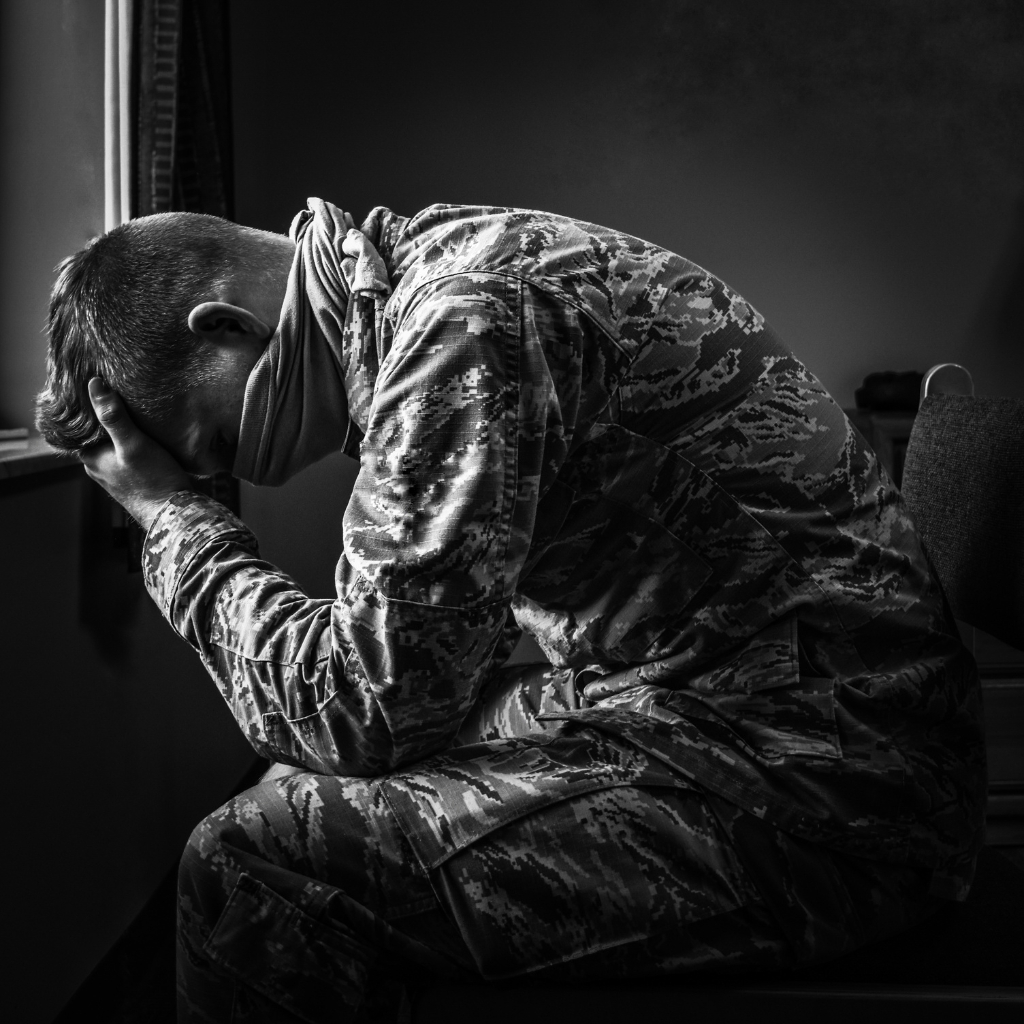
Moral Injury vs. PTSD: Fear vs. Guilt
On the surface, moral injury and PTSD can look alike. Both can bring sleep problems, withdrawal, anger, and emotional numbness. But underneath, they come from different places, and telling them apart matters.
PTSD is fear-based. It develops when a life-threatening experience overwhelms your nervous system, leaving it stuck in survival mode. The body keeps reacting as if the danger is still present: hypervigilance, flashbacks, a startle response that won’t switch off. The underlying question is: Am I safe?
Moral injury is values-based. It develops when an experience breaks your understanding of what is right, or breaks your trust in yourself, your leaders, or the world. The underlying question is not: Am I safe? The question is: Am I still a good person? The two are distinct conditions, though they overlap and frequently occur together. Many veterans carry both at once. But the moral injury piece is a different wound, and it doesn’t respond to the same treatment.
Why PTSD Treatment Sometimes Doesn’t Reach It
Here’s where this matters most. A lot of PTSD treatment is built to turn off the fear alarm, to help the brain recognize that the threat is over and stop reacting to it. That work can be genuinely effective for the fear-based symptoms.
But if the core of what you’re carrying is guilt or shame, quieting the alarm doesn’t touch it. A veteran can finish treatment, sleep through the night again, stop flinching at loud noises, and still be unable to forgive themselves for what they did or didn’t do. The nightmares are gone, but the weight is still there. That isn’t treatment failing at random. It’s fear-focused treatment doing its job on the fear while leaving the moral wound untouched, because the moral wound was never a fear problem to begin with.
If that describes your experience, it doesn’t mean you’re beyond help or that treatment doesn’t work for you. It usually means the part that needs attention is the part standard PTSD care wasn’t designed to reach.
How Moral Injury Shows Up After Service
Moral injury often doesn’t announce itself in clinical language. It shows up in the things veterans say to themselves. You might recognize some of these:
- “What I did was unforgivable.”
- “I should have done more. I should have seen it coming.”
- “They abandoned us. Nobody in charge cared.”
- “I’m not the person I was before, and not in a good way.”
- “I don’t deserve to move on and be happy.”
The emotions underneath tend to cluster around a few things: guilt, shame, loss of trust, loss of meaning, and difficulty forgiving yourself. There can also be a loss of faith, whether in institutions, in other people, or in a sense that the world is fair. Many veterans describe pulling away from family and friends, feeling like no one who wasn’t there could possibly understand, or feeling like they no longer deserve the good things in their life.
If any of this sounds familiar, it’s worth knowing that these aren’t character flaws. They are the signature of a specific, recognized wound, and feeling them often means your conscience is intact, not broken.
Why It Goes Unrecognized in Appointments
One reason moral injury so often goes unnamed is structural: it is not a formal diagnosis in the DSM-5, the manual clinicians use to classify mental health conditions. Because there’s no official diagnostic box for it, many providers don’t screen for it directly.
So what tends to happen is this: a veteran comes in describing guilt, shame, anger, and withdrawal. Those symptoms overlap with PTSD and depression, so that’s often what gets diagnosed, and the moral dimension underneath goes unaddressed. This isn’t a knock on providers, most of whom are doing their best within the tools they’ve been given. But it does mean that if the moral piece is central for you, it can help to name it yourself rather than wait for it to be picked up.
How Moral Injury Is Treated

Here’s the hopeful part: moral injury is treatable, and there are approaches built specifically for the guilt and shame at its center rather than only the fear.
Therapies focused on trauma-related guilt help people examine the beliefs they’ve formed about their own responsibility, often with more nuance and less self-condemnation than they’ve allowed themselves. Work on self-forgiveness and rebuilding a sense of meaning addresses the “who am I now” question directly. For some, the spiritual or existential dimension matters, and pastoral or community-based support has a role. And for many, trauma-informed care that takes the moral dimension seriously, rather than treating everything as a fear response, is what finally reaches the part that other approaches missed.
If PTSD has never felt like the right word, you can say that directly to a provider. Something as simple as “I don’t think what I’m dealing with is really about fear, it’s about something I did, or couldn’t stop, and can’t forgive myself for” gives a clinician the thread to follow. Care built for veterans and service members can help sort out what’s driving what, and what kind of support actually fits.
Final Thoughts
If you’ve carried this quietly, sometimes for years, know that what you’re feeling has a name, it’s more common than you’d think, and it doesn’t make you a bad person. Often it means the opposite: that your sense of right and wrong survived something that tried to break it. Moral injury is real, and it’s treatable. Naming it is the first step, and support is there whenever you’re ready.
If the weight ever feels like too much to hold on your own, you can reach the 988 Suicide & Crisis Lifeline any time by calling or texting 988.
Frequently Asked Questions (FAQs)
1. What’s the difference between moral injury and PTSD?
PTSD is fear-based: it comes from a threat that overwhelms your nervous system, and its treatment focuses on calming that fear response. Moral injury is values-based: it comes from an experience that violated your sense of right and wrong, and it centers on guilt, shame, and broken trust. Many veterans have both, but they respond to different kinds of care.
2. Is moral injury a diagnosis?
Not a formal one. Moral injury is not listed in the DSM-5, the manual clinicians use to diagnose mental health conditions, which is part of why it often goes unrecognized in appointments. It’s still a real and well-studied experience, and it can be addressed in treatment whether or not it carries an official label.
3. Can moral injury be treated?
Yes. Approaches that target trauma-related guilt, support self-forgiveness, and help rebuild a sense of meaning can reach the guilt and shame at the heart of moral injury, often the part that standard PTSD treatment doesn’t touch. Working with a provider experienced in trauma and military-related care is a good place to start.
Explore More

Animo Sano Psychiatry is now serving patients across multiple states. If you’d like to schedule an appointment, please contact us to get started.
Get Access to Behavioral Health Care
Let’s take your first step towards. Press the button to get started. We’ll be back to you as soon as possible.ecovery, together.