
Hypervigilance at Home: Why Veterans With PTSD Still Feel Under Threat

Morgan Poston, PA-C
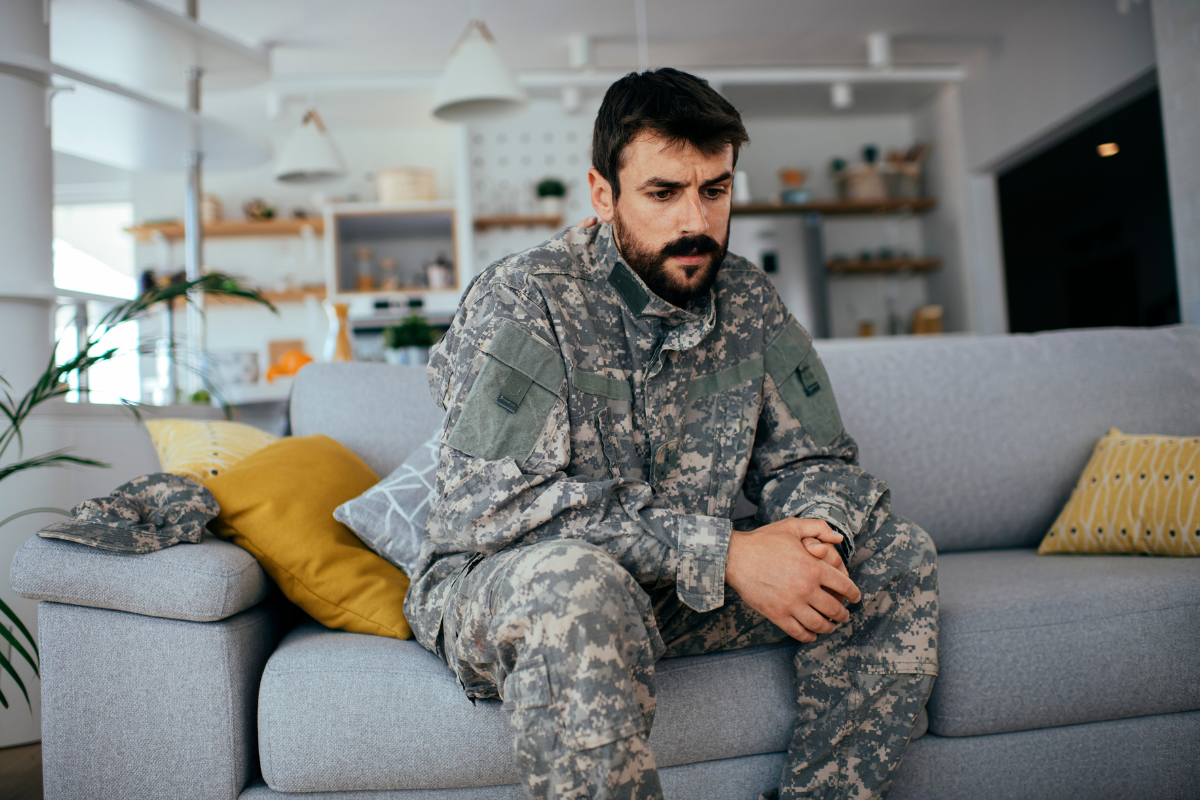
The doors are locked. The neighborhood is quiet. By every measure, home is safe. And yet the body stays braced, listening for a sound that never comes, ready for a threat that is no longer there. For many veterans, this is daily life. Hypervigilance is one of the core symptoms of Post-Traumatic Stress Disorder (PTSD) , and it does not switch off simply because a deployment ended. The most recent nationally representative data estimate that the lifetime prevalence of PTSD among U.S. veterans is approximately 14%, and for many, the hardest part is not the memory of what happened but the inability to feel safe now.
What Hypervigilance Is, Neurologically
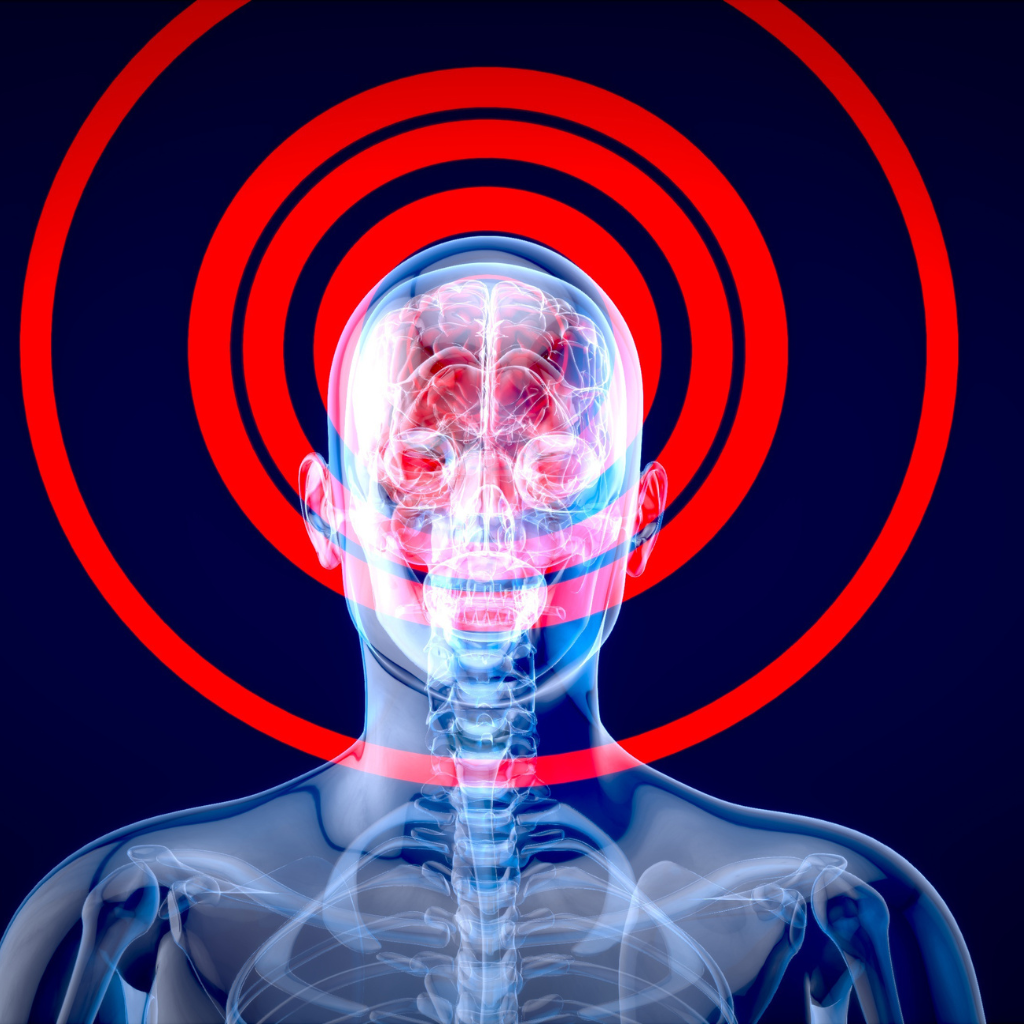
Hypervigilance is a threat-detection system that has been left switched on. Deep in the brain, the amygdala functions as an alarm that scans for danger and triggers the fight-or-flight response. After repeated exposure to real threat, that alarm grows more sensitive and quicker to fire, while the medial prefrontal cortex— the part that normally applies the brakes— has a harder time overriding it. The result is a nervous system primed for danger around the clock. This is not an overreaction or a lack of willpower. It reflects a physiological adaptation rooted in the same neurobiological changes that underlie PTSD more broadly.
How Hypervigilance Shows Up for Veterans With PTSD
The signs are practical and easy to miss. A veteran may always take the seat facing the door, or the one with a wall at their back and the room in view. There is the habit of scanning exits when entering a space, checking locks more than once, or avoiding crowds by running errands at off-peak hours. A dropped pan or a car backfiring can set off a startle response far larger than the moment calls for. And there is the sleep that never fully settles, a light, guarded rest that leaves the body tired but still on watch. Because these symptoms can surface months or years after service, they are not always linked to their source, and disrupted sleep can grow into its own problem.
The Survival Skill That Saved a Life and Now Strains It
In a combat zone, scanning every rooftop, tracking every exit, and reacting instantly to sudden movement was not a disorder. It was a critical competency that kept people alive. Research suggests that military deployment on its own can drive hypervigilant behavior, even apart from a PTSD diagnosis, because the environment demanded and reinforced it. The wiring did exactly what it was built to do. The problem is one of context. PTSD is characterized by hypervigilance that is inappropriate to the situation and the misreading of cues as threatening despite a safe context. The same alarm that protected a service member overseas now fires at a backyard barbecue or a crowded store, where the threat it braces for does not exist. The skill has not failed. It has outlived the situation that required it.
Why It Strains Family Life
Families often see the behavior without understanding the cause. They notice the irritability, the need to control where everyone sits, the reluctance to attend crowded events, the sharp reaction to a slammed door. It can feel personal, as though the veteran is pushing them away, when it is the threat system running in the background. A recent Yale-led study found PTSD far more common among veterans aged 22 to 49 than older veterans, and that loneliness and interpersonal difficulty explained much of that gap. Connection is not a secondary concern. It is part of recovery, which is why the strain on close relationships deserves as much attention as the symptoms.
Helping the Nervous System Stand Down
A threat system that learned danger can also relearn safety. Trauma-focused therapy, including cognitive processing therapy (CPT), Prolonged Exposure (PE), and Eye Movement Desensitization and Reprocessing (EMDR), helps the brain reprocess what happened and recalibrate the alarm. In the moment, grounding techniques and slow breathing tell the body it is safe, and steady, predictable routines lower the sense of unpredictability the nervous system reacts to. Addressing sleep is often a turning point, since exhaustion makes every symptom louder. For some, medication such as an SSRI can bring the baseline of arousal down enough to make engagement in psychotherapy more feasible.
Why Telehealth Works Well for Veterans
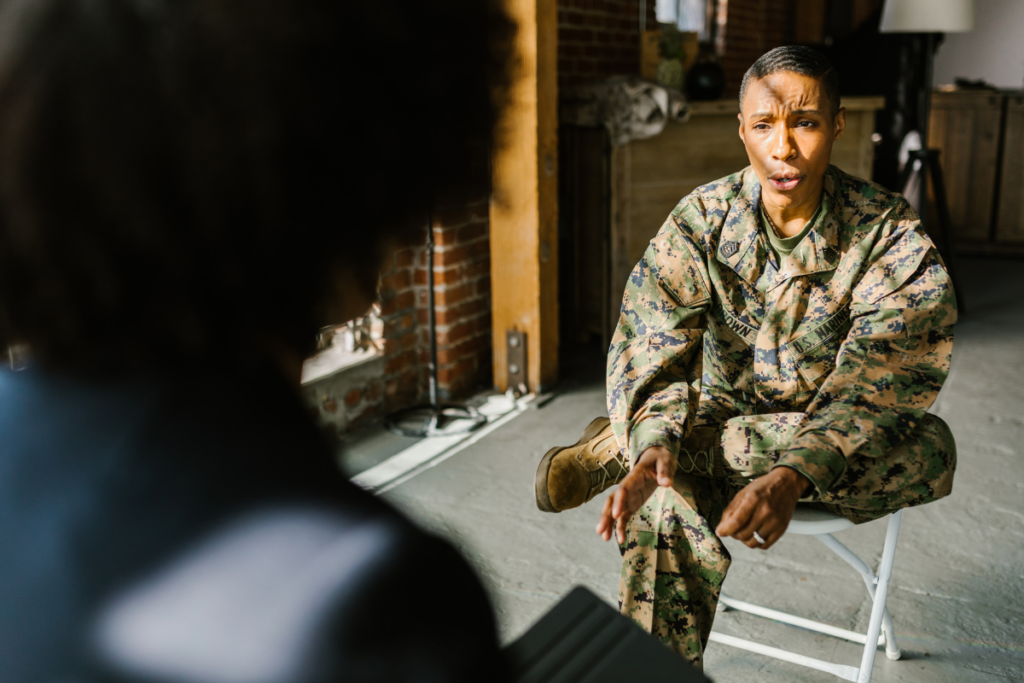
A waiting room asks a hypervigilant nervous system to do the very thing it finds hardest: remain seated among strangers, in an unfamiliar space, often without a clear view of the door. Many veterans avoid care for that reason alone. Meeting a provider through virtual psychiatric care built for veterans removes that barrier. Sessions take place from a familiar, controlled environment where the veteran chooses the seat, the room, and the exits, with no crowd to monitor.
Final Thoughts
Feeling unsafe inside an objectively safe home wears down the veteran carrying it and confuses the family living alongside it. Putting a name to what is happening, an old survival response that has outstayed its purpose rather than a character problem or a personal rejection, tends to ease the pressure on everyone in the house. The alarm was shaped through repeated experience, and consistent, trauma-informed care can slowly teach the nervous system a new pattern: that the mission is over and the surroundings are secure. Recovery typically unfolds in small increments instead of one clear breakthrough, and reaching out for professional help is a meaningful first step.
Frequently Asked Questions (FAQs)
1. Is hypervigilance a symptom of PTSD?
Yes. It is one of the core hyperarousal symptoms, describing a nervous system that stays on high alert for danger even in safe surroundings.
2. Why do some veterans sit facing the door?
Keeping exits and the whole room in view is a way the threat system tries to stay in control of the environment, which can feel safer even at home.
3. Can hypervigilance go away?
The nervous system can relearn a sense of safety. With trauma-focused treatment, many veterans see their symptoms ease significantly over time.
4. Is hypervigilance the veteran’s fault?
No. It is a physiological setting shaped by real experience, not a choice or a lack of discipline.
5. Why might telehealth be easier than an in-person visit?
It removes the waiting room and lets a veteran meet a provider from a familiar space where they control their surroundings.
Explore More
Animo Sano Psychiatry is now serving patients across multiple states. If you’d like to schedule an appointment, please contact us to get started.
Get Access to Behavioral Health Care
Let’s take your first step towards. Press the button to get started. We’ll be back to you as soon as possible.ecovery, together.