
Living With PTSD and Depression: Understanding the Emotional Overlap

Maddison Henley, PA-C, CAQ-PSY

PTSD and depression are two of the most commonly diagnosed mental health conditions in the United States and they frequently occur together. For many people living with trauma, what starts as one condition can sometimes develop into both. The emotional weight of carrying PTSD and depression at the same time can feel overwhelming, especially when the symptoms blur into each other and it becomes difficult to understand what is causing what.
According to research published in PMC, between 30% and 50% of people diagnosed with PTSD also experience significant depression. Understanding why these two conditions so often go hand in hand, and how they interact, is an important part of getting the right care.
Why PTSD and Depression Often Occur Together
PTSD and depression share some of the same roots. Both can develop after prolonged stress, loss, or traumatic experiences. Both affect the brain’s stress response systems, including the way the brain processes threat, fear, and emotion. When a person goes through a traumatic event, the impact rarely stays confined to one area of mental health.
There are a few reasons why the two conditions tend to co-occur:
- Trauma changes the brain. PTSD alters how the brain responds to stress and regulates emotion. These same changes can lower a person’s resilience and increase vulnerability to depression over time.
- Helplessness and hopelessness. PTSD symptoms — flashbacks, nightmares, feeling on edge — are exhausting and hard to control. Over time, that loss of control can lead to the hopelessness that is a hallmark of depression.
- Social withdrawal. PTSD often causes people to pull back from relationships and activities they once valued. That isolation removes important sources of support and meaning, creating conditions in which depression can take hold.
- Shared neurological pathways. Both conditions involve dysregulation of the brain’s stress hormones, particularly cortisol, and disruption of serotonin and dopamine systems that regulate mood.

Shared Symptoms: Where PTSD and Depression Overlap
Because PTSD and depression share several symptoms, they can sometimes be difficult to distinguish — and one can easily be missed while the other is being treated. Common overlapping symptoms include:
- Emotional numbness and anhedonia — losing interest in or feeling detached from things that used to bring pleasure
- Persistent fatigue and low energy, even after rest
- Sleep disturbances — difficulty falling asleep, staying asleep, or experiencing nightmares
- Difficulty concentrating or feeling mentally foggy
- Withdrawal from relationships and social activities
- Irritability and emotional reactivity
- Negative thoughts about oneself, others, or the future
The key difference is that PTSD is specifically linked to traumatic memory and re-experiencing the event through flashbacks or intrusive thoughts, and organizing life around avoiding those triggers. Depression, by contrast, is characterized more by persistent low mood, emptiness, and a loss of motivation that extends across all areas of life, not just those connected to the trauma.
When both are present, symptoms in each category tend to be more severe than they would be alone.
The Cycle Between PTSD and Depression
PTSD and depression do not simply sit alongside each other — they actively interact. PTSD symptoms like hypervigilance, sleep disruption, and emotional dysregulation deplete the mental and physical reserves a person needs to manage mood. At the same time, depression makes it harder to engage in the activities, connections, and coping strategies that would support recovery from PTSD.
This cycle can be particularly difficult to break without targeted support. Research cited in PMC found that people with comorbid PTSD and depression reported more severe symptoms, lower social support, and faced a significantly higher risk of suicidal ideation compared to those with depression alone. This underscores why identifying both conditions — not just one — is so important.
The Importance of Integrated Treatment
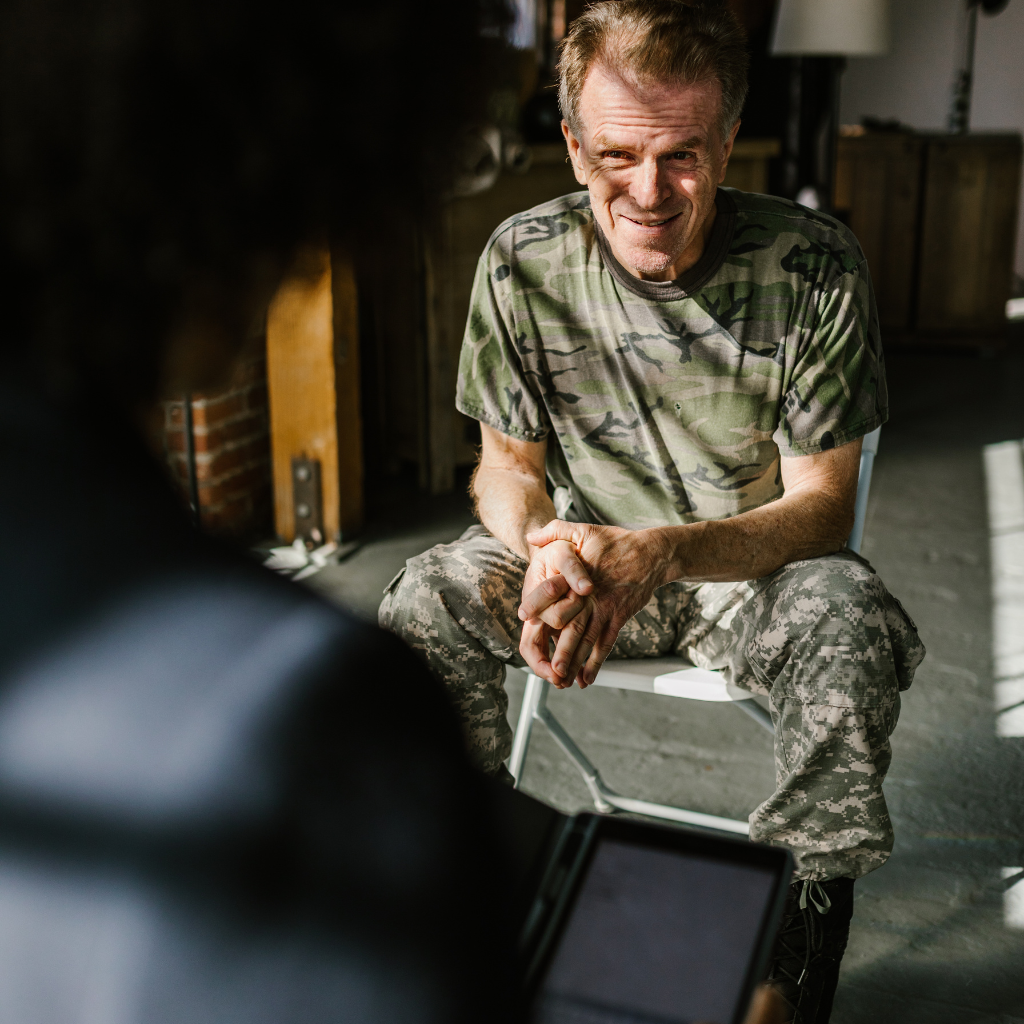
Treating PTSD and depression separately — or addressing only one while ignoring the other — often leads to incomplete recovery. Integrated treatment, which addresses both conditions within a single, coordinated care plan, produces the best outcomes.
Trauma-Focused Therapy
Therapies developed specifically for PTSD, including Cognitive Processing Therapy (CPT) and Prolonged Exposure (PE), are also effective in reducing depression symptoms when both conditions are present. These approaches are grounded in the principles of Cognitive Behavioral Therapy (CBT) — helping individuals reprocess traumatic memories and challenge the negative beliefs that fuel both PTSD and depression.
Medication
SSRIs, including sertraline and paroxetine, are FDA-approved for PTSD and are also first-line treatments for depression, making them a natural fit when both conditions are present. A psychiatry provider experienced in trauma and mood disorders can help determine the right medication approach, which is often most effective in combination with therapy.
Consistent Monitoring
Because PTSD and depression can fluctuate and influence each other over time, regular check-ins with a provider help catch early warning signs of worsening — similar to the monitoring recommended for preventing a depression relapse.
Final Thoughts
Living with both PTSD and depression is a significant emotional burden but it is not one that has to be carried alone, or without effective support. When both conditions are identified and treated together, most people experience real improvement in their symptoms, their relationships, and their quality of life.
Understanding the connection between trauma and depression is the first step. Getting the right evaluation and care is the next one.
If you or someone you know is struggling, help is available. Call or text 988 to reach the Suicide & Crisis Lifeline, available 24/7.
Frequently Asked Questions (FAQs)
1. Can PTSD cause depression?
Yes, the chronic stress, exhaustion, and isolation that PTSD creates can directly contribute to the development of depression over time.
2. How do I know if I have PTSD, depression, or both?
A mental health evaluation is the most reliable way to distinguish between the two and identify whether both are present — symptoms can look similar, and a provider can help clarify the picture.
3. Is it harder to treat PTSD and depression together?
It can be more complex, but both are treatable. Trauma-focused therapy approaches have been shown to reduce symptoms of both conditions simultaneously when delivered by an experienced provider.
4. Can lifestyle changes help alongside treatment?
Yes, regular sleep, physical activity, social connection, and reducing alcohol use all support recovery and help stabilize both mood and trauma responses.
Responsibly edited by AI
Explore More


Animo Sano Psychiatry is now serving patients across multiple states. If you’d like to schedule an appointment, please contact us to get started.
Get Access to Behavioral Health Care
Let’s take your first step towards. Press the button to get started. We’ll be back to you as soon as possible.ecovery, together.