
Anxiety During Pregnancy: What It Looks Like, Why It Happens, and How It Is Treated

Sydney Johnston, DMSc, PA-C
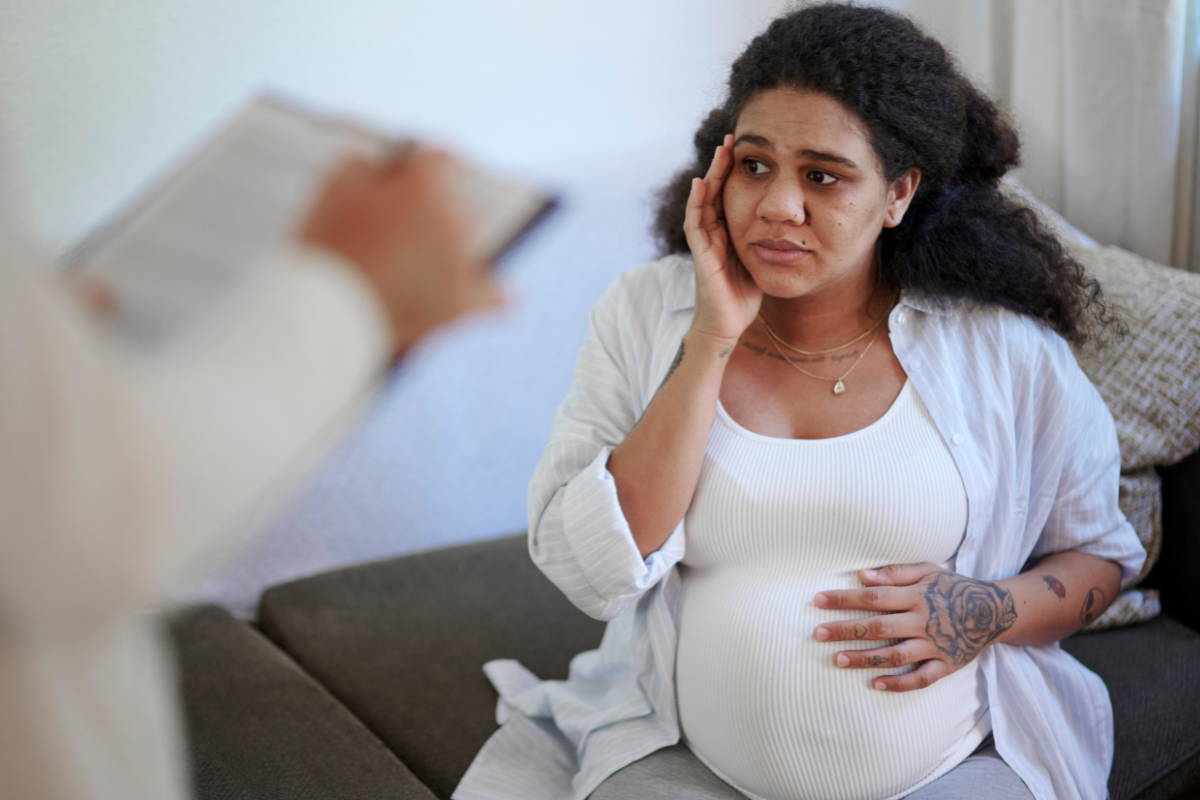
Some degree of concern is a natural part of pregnancy. Worries about the baby’s health, the birth, and the transition to parenthood are common and expected. But for a significant number of pregnant women, anxiety extends well beyond ordinary concern — becoming persistent, difficult to control, and disruptive to daily life.
Anxiety during pregnancy is one of the most common perinatal mental health conditions, yet it receives considerably less attention than postpartum depression. Research estimates that up to 20% of pregnant women experience a clinically significant anxiety disorder — with the highest rates occurring in the first trimester. Understanding what it looks like and when to seek support matters.
What Anxiety During Pregnancy Looks Like?
Anxiety during pregnancy can present in several forms. Some women experience a generalized pattern of excessive, hard-to-control worry; others experience panic attacks or intrusive thoughts that feel distressing and difficult to dismiss.
Common signs include:
• Persistent, difficult-to-control worry that is out of proportion to the situation
• Physical symptoms such as racing heart, shortness of breath, muscle tension, or difficulty sleeping
• Intrusive thoughts about the baby’s safety or about one’s ability to parent
• Avoidance of appointments or conversations that trigger anxious thoughts
• Difficulty concentrating or feeling constantly “on edge”
These symptoms can overlap with other perinatal conditions, including depression and OCD — both of which can also present or worsen during pregnancy.
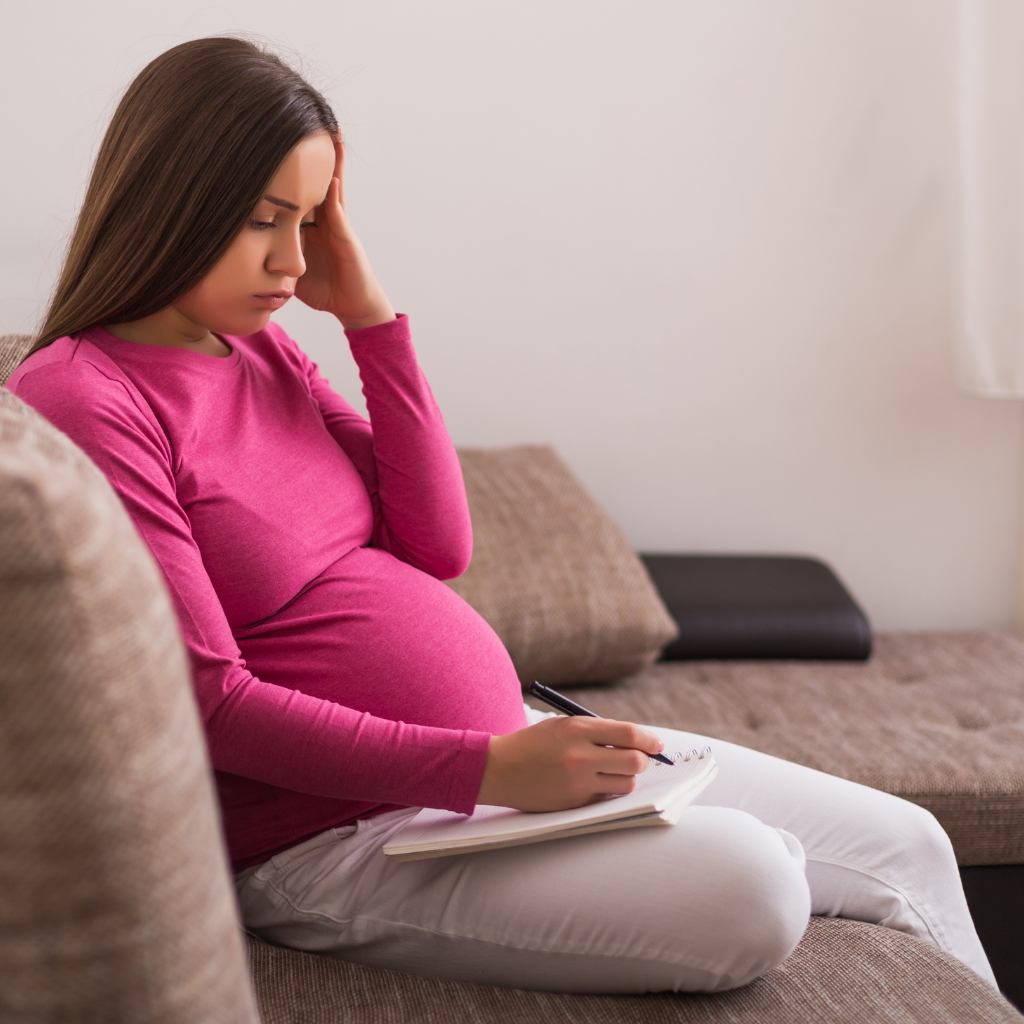
Why Pregnancy Anxiety Is So Common?
Pregnancy involves significant hormonal, physical, and psychological change occurring simultaneously. Estrogen and progesterone fluctuations directly affect the brain systems involved in mood and stress regulation, while pregnancy itself brings genuine uncertainty about health, identity, and the future.
Women with a prior history of anxiety, depression, or trauma are at elevated risk, as are those with pregnancy complications, limited social support, or a history of pregnancy loss.
The Impact of Untreated Pregnancy Anxiety?
When left unaddressed, prenatal anxiety is associated with increased risk of preterm birth and low birth weight, as well as disrupted sleep, reduced prenatal care engagement, and higher rates of postpartum depression.
Treatment Options for Anxiety During Pregnancy
Anxiety during pregnancy is treatable, and treatment decisions are made in the context of each individual’s history, symptoms, and preferences.

Therapy
CBT is the most well-evidenced psychological treatment for anxiety during pregnancy, addressing the thought patterns and behaviors that maintain it. It can be delivered in person or via telehealth. Mindfulness-based approaches have also shown benefit in this period.
Medication
For moderate to severe anxiety, medication may be considered alongside therapy. This involves weighing the risks of untreated anxiety against those of medication — a conversation best had with a provider experienced in perinatal mental health.
Supportive Strategies
Regular sleep, physical activity, and social support can all contribute to anxiety management during pregnancy alongside formal treatment.
Final Thoughts on Anxiety During Pregnancy
Anxiety during pregnancy is common, real, and treatable. Waiting until after delivery to seek support is rarely necessary — the earlier it is addressed, the better the outcomes tend to be for both mother and child.
If you are experiencing persistent anxiety during pregnancy, speaking with a provider who understands perinatal mental health is a worthwhile step.
Frequently Asked Questions (FAQs)
1. Is anxiety during pregnancy harmful to the baby?
Significant, untreated anxiety is associated with adverse outcomes including preterm birth and low birth weight. This is why seeking care matters — treatment reduces these risks.
2. Is it safe to take medication for anxiety while pregnant?
Some medications are considered relatively safe in pregnancy, but the decision depends on individual circumstances and should always be made in consultation with a qualified provider who can weigh the risks and benefits.
3. Can anxiety during pregnancy lead to postpartum depression?
Yes. Anxiety during pregnancy is one of the strongest predictors of postpartum depression and anxiety. Treating it during pregnancy is also a form of postpartum prevention.
Responsibly edited by AI



Animo Sano Psychiatry is now serving patients across multiple states. If you’d like to schedule an appointment, please contact us to get started.
Get Access to Behavioral Health Care
Let’s take your first step towards. Press the button to get started. We’ll be back to you as soon as possible.ecovery, together.