
What Is Revenge Sleep Procrastination? Why You Stay Up Even When You’re Exhausted

Maddison Henley, PA-C, CAQ-PSY

Key Takeaways
- Revenge sleep procrastination is the pattern of staying up later than intended to reclaim personal time lost during a busy day, even when you know it will leave you exhausted.
- It is driven by more than poor discipline. Stress, ego depletion, and dopamine-seeking behavior all play a role.
- People living with ADHD, anxiety, depression, or burnout may be especially vulnerable to this cycle.
- Chronic sleep procrastination can worsen the very mental health symptoms that fuel the behavior, creating a self-reinforcing loop.
- Addressing the root cause, whether that is daytime stress, an untreated condition, or a lack of autonomy over your schedule, is more effective than willpower alone.
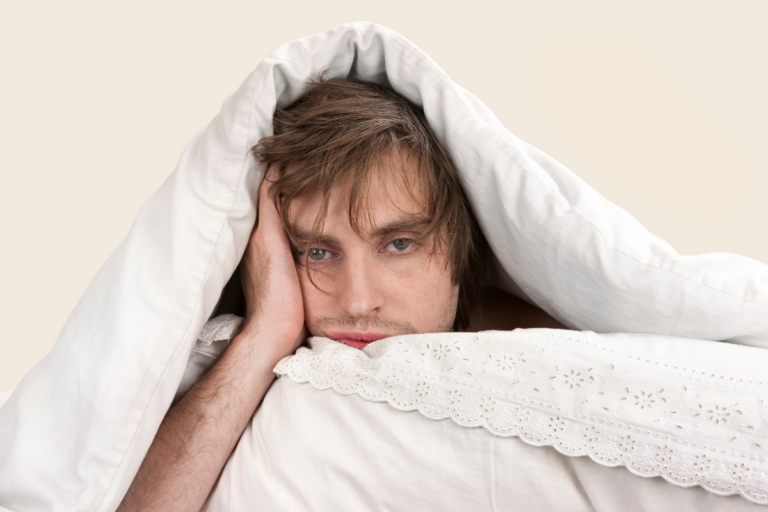
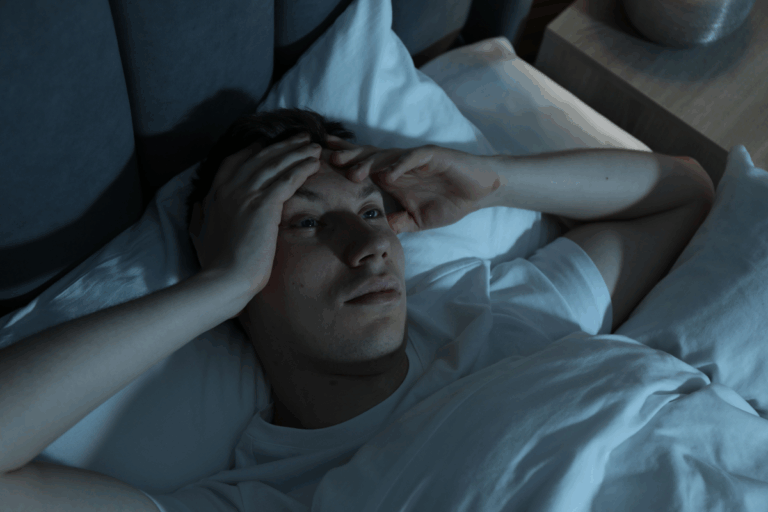
It is midnight. You are exhausted. You know you need to sleep. But instead of turning off the screen, you keep scrolling, watching, and reading. Not because you are not tired, but because this feels like the only time all day that is actually yours.
If you have ever wondered why you procrastinate sleep even when your body is begging for rest, there is a name for it: revenge sleep procrastination. And for many people, it is not just a bad habit. It is a signal that something in your daily life, your stress load, or your mental health may be out of balance.
What Is Revenge Sleep Procrastination?
Revenge sleep procrastination is the decision to delay sleep in order to reclaim personal time, typically in response to a day that leaves little room for leisure or autonomy. Researchers have identified three criteria that distinguish it from simply staying up late: the delay reduces your total sleep time, it is not caused by an external factor like illness or noise, and you are aware that it will have negative consequences.
The “revenge” element of the term comes from a Chinese expression reflecting frustration with long, demanding work schedules that left no time for personal enjoyment. The concept gained global attention after journalist Daphne K. Lee described it as something that happens when people who do not have much control over their daytime life refuse to sleep early to regain some sense of freedom during late night hours. It resonated widely, particularly during the COVID-19 pandemic, when approximately 40% of people experienced sleeping problems as working hours expanded and boundaries between work and rest blurred.
It is worth noting that sleep procrastination takes two forms. Some people delay getting into bed entirely. Others get into bed on time but delay actually trying to sleep, often by scrolling, streaming, or reading on their phones. Many people do both, and both forms chip away at total sleep time.

Why Do People Procrastinate Sleep?
The easy answer is “lack of discipline,” but that explanation misses what is actually happening in the brain. Sleep procrastination is better understood as the collision of several forces that are difficult to override through willpower alone.
Self-Regulation Runs Out
By the end of a demanding day, the brain’s capacity for self-control is significantly depleted. Research describes this as resource depletion: the more decisions you make and impulses you resist throughout the day, the fewer cognitive resources remain available by evening. The prefrontal cortex, responsible for planning, impulse control, and long-term decision-making, becomes less effective as the day wears on.
This is why the same person who exercises discipline all day can find themselves completely unable to put down their phone at midnight. It is not a character flaw. It is a predictable consequence of how the brain manages its finite resources. By the time bedtime arrives, the part of your brain that would normally say “go to sleep” has already spent most of its energy getting you through the day.
The Dopamine Pull
Screens, social media, and streaming platforms are designed to deliver quick, repeated hits of dopamine. At night, when you are tired and your self-regulation is at its lowest, the brain gravitates toward the path of least resistance: stimulation that feels good right now.
This is not laziness. It is the brain seeking reward when other sources of satisfaction are unavailable during the day. The later it gets, the harder it becomes to choose the less immediately rewarding option, which is sleep. The content itself does not even need to be particularly engaging. The act of scrolling, of having something in front of you, can be enough to keep the dopamine loop running.
A Need for Autonomy
For many people, nighttime is the only window that feels genuinely free. Parents, caregivers, people in demanding jobs, and students often describe the late hours as the only time no one needs anything from them. The house is quiet. The emails have stopped. No one is asking for your attention.
In this context, staying up late is not really about the content you are consuming. It is about asserting control over a schedule that otherwise feels dictated by obligations. The “revenge” is not against sleep. It is against a day that did not leave room for you. Understanding this distinction matters, because it shifts the solution away from “just go to bed earlier” and toward addressing why the day feels so suffocating in the first place.
How Revenge Sleep Procrastination Affects Mental Health
Revenge sleep procrastination is often framed as a lifestyle issue, but its effects on mental health are real and, when the pattern is chronic, significant.
The Sleep Deprivation Cycle
According to the CDC, roughly 1 in 3 adults in the United States do not get enough sleep. When staying up late becomes a regular pattern, total sleep time drops consistently below the 7 to 9 hours most adults need. The consequences build over time:
- Impaired concentration and weakened memory
- Slower decision-making and reduced alertness
- Increased irritability and a lower threshold for emotional reactivity
What makes this particularly damaging is that sleep deprivation itself reduces self-regulation. The very thing you lose by staying up late, the ability to make good decisions at bedtime, is the thing you need most to break the cycle. Poor sleep makes the urge to procrastinate stronger, which leads to less sleep, which makes the urge stronger still.
The Connection to Anxiety, ADHD, and Depression
Revenge sleep procrastination is not just a wellness concern. It frequently overlaps with mental health conditions in ways that can make the cycle much harder to break.
People with ADHD are particularly vulnerable. Impulsivity, dopamine-seeking behavior, time blindness, and difficulty with transitions all contribute. Sleep disturbances are estimated to affect 25 to 55% of people with ADHD, and many describe the late hours as the only time their brain feels calm enough to enjoy something without interruption. The irony is that the resulting sleep loss tends to make ADHD symptoms like inattention and emotional dysregulation worse the following day.
People with anxiety may use nighttime scrolling or watching as a form of avoidance. Going to bed means lying in the dark with your thoughts, and for someone whose mind tends toward worry or rumination at night, that silence can feel unbearable. Staying up becomes a way to delay the moment when anxious thinking takes over.
People experiencing depression or burnout may find that they lack motivation or pleasure during the day. Nighttime can feel like the only window for any sense of engagement or enjoyment, even if that engagement is just passive scrolling. The pattern often goes unrecognized because it does not look like a “sleep problem.” It looks like someone watching TV. But underneath, it may reflect a deeper struggle with emotional depletion.
When these conditions are untreated, willpower-based strategies for stopping sleep procrastination often fail, because the behavior is being driven by something more than habit.
How to Stop Staying Up Late
Generic sleep hygiene advice, while useful, tends to miss the point for people whose sleep procrastination is rooted in stress, unmet needs, or mental health. The most effective strategies address the why, not just the when.
Reclaim Leisure During the Day
If you are staying up late because the day left no time for you, the answer is not more bedtime discipline. It is redesigning the day to include even small pockets of genuine personal time. Even 15 minutes of intentional, unstructured downtime during daylight hours can reduce the desperation for it at midnight. Some examples:
- A short walk without your phone
- Reading a chapter at lunch
- Listening to music or a podcast between tasks
- Scheduling a 15-minute block on your calendar that is just for you
The goal is to signal to your brain that enjoyment is not something you have to steal from your sleep.
Build a Wind-Down Routine That Feels Like a Reward
If your bedtime routine feels like another obligation on a day already full of them, you will resist it. The key is replacing punishing rituals with something genuinely soothing: a book you enjoy, a warm drink, a short stretch, music that calms you.
The goal is to make the transition to sleep feel like something you are choosing rather than something being imposed. When bedtime feels like a reward rather than a sacrifice, the urge to rebel against it decreases.
When to Talk to a Professional
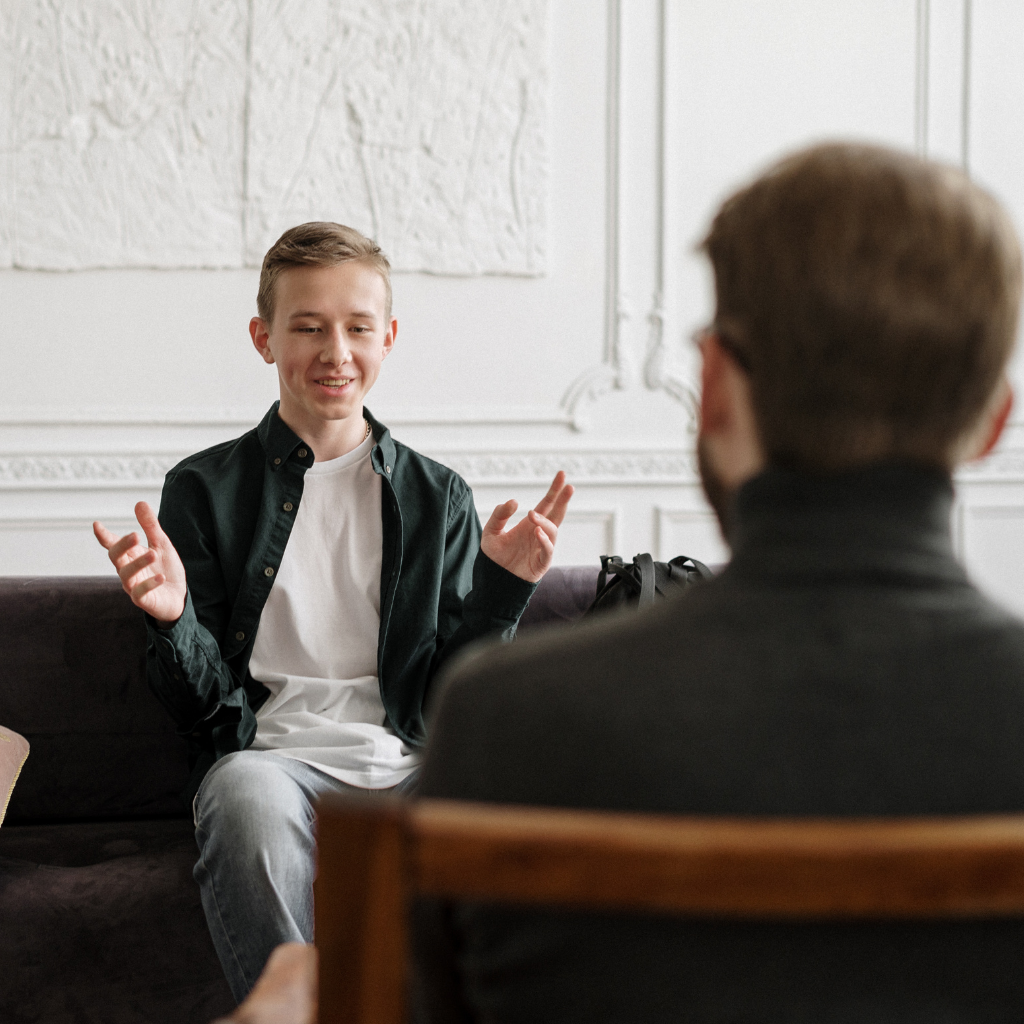
If revenge sleep procrastination is persistent, if it is worsening symptoms of anxiety, depression, or ADHD, or if you have tried the usual tips and nothing sticks, it may be worth exploring whether an underlying condition is driving the pattern.
A psychiatrist can assess whether sleep procrastination is a standalone habit or part of a broader mental health picture. When an underlying condition is involved, sleep disorder treatment that targets the root cause often improves both the sleep and the mental health symptoms driving it.
Final Thoughts
Revenge sleep procrastination is one of those behaviors that is easy to dismiss as a lack of discipline. But for many people, it is the brain’s way of trying to meet a need that is not being met during the day: rest, autonomy, pleasure, or simply a few minutes of quiet.
Understanding the why behind the behavior is more useful than shaming yourself into compliance. And if self-help strategies are not enough, that is not a failure. It may mean the pattern is connected to something deeper that deserves attention and support.
Frequently Asked Questions (FAQs)
1. Is revenge sleep procrastination a sign of ADHD?
It can be. People with ADHD are more prone to it due to impulsivity, dopamine-seeking behavior, and difficulty managing transitions. If the pattern is persistent and accompanied by other symptoms, it may be worth discussing with a professional.
2. Is staying up late bad for your mental health?
Occasionally, no. But when it becomes a pattern that consistently reduces your sleep, it can worsen anxiety, depression, irritability, and cognitive function over time.
3. Is revenge sleep procrastination the same as insomnia?
No. Insomnia involves difficulty falling or staying asleep despite wanting to. Revenge sleep procrastination is a choice to delay sleep, even though you could fall asleep. However, over time, the habit can disrupt sleep patterns enough to develop into insomnia.
Responsibly edited by AI

Animo Sano Psychiatry is now serving patients across multiple states. If you’d like to schedule an appointment, please contact us to get started.
Get Access to Behavioral Health Care
Let’s take your first step towards. Press the button to get started. We’ll be back to you as soon as possible.ecovery, together.