
Sleep Apnea and Depression: Connection Most People Miss
Clinically reviewed by

Stefanie Solomon, PA-C, CAQ-PSY
Key Takeaways
- Sleep apnea causes repeated pauses in breathing during sleep, and many people who have it don’t know it.
- Its daytime effects, like exhaustion, low mood, and poor focus, can look a lot like depression.
- Research links sleep apnea with higher odds of depression and anxiety, so it makes sense to check for it when depression treatment isn’t fully working.
- Treating sleep apnea can improve mood for some people, and it works best alongside your mental health care.
You’re taking your treatment seriously. You go to therapy, you take your medication as prescribed, and you’re doing the things you’ve been told will help. Yet you still wake up exhausted, and the heaviness hasn’t fully lifted. If that sounds familiar, the link between sleep apnea and depression may help explain it, because a problem with your breathing at night could be part of what’s holding your mood back.
What Is Sleep Apnea, and Why Is It So Often Missed?
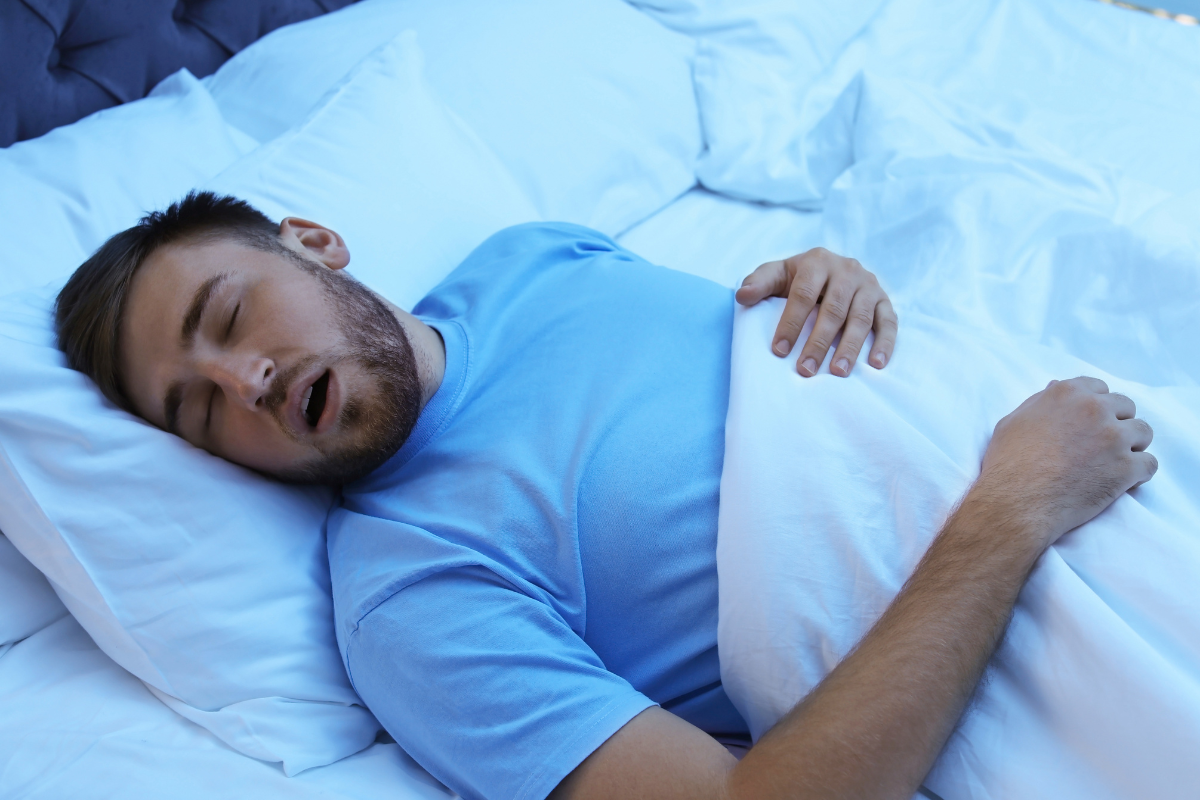
Obstructive sleep apnea is a condition where your airway repeatedly narrows or closes while you sleep. Each pause in breathing briefly wakes your brain so you can start breathing again, often without you remembering it. This can happen dozens of times an hour, all night long.
Common signs include:
- Loud snoring, or a partner noticing you stop breathing
- Waking up gasping, choking, or with a dry mouth
- Morning headaches
- Feeling unrefreshed no matter how long you slept
- Heavy daytime sleepiness, irritability, or trouble concentrating
Many people also sleep alone or assume snoring is harmless, so no one notices the pauses. On top of that, many of these signs overlap with depression. Fatigue, low energy, poor focus, and irritability show up in both, so it’s easy for everyone, including you, to assume the depression explains them all. Sleep apnea often goes undiagnosed, and it’s tied to higher risks of high blood pressure, heart disease, stroke, and diabetes, which is one more reason to look into it.
Can Sleep Apnea Cause Depression?
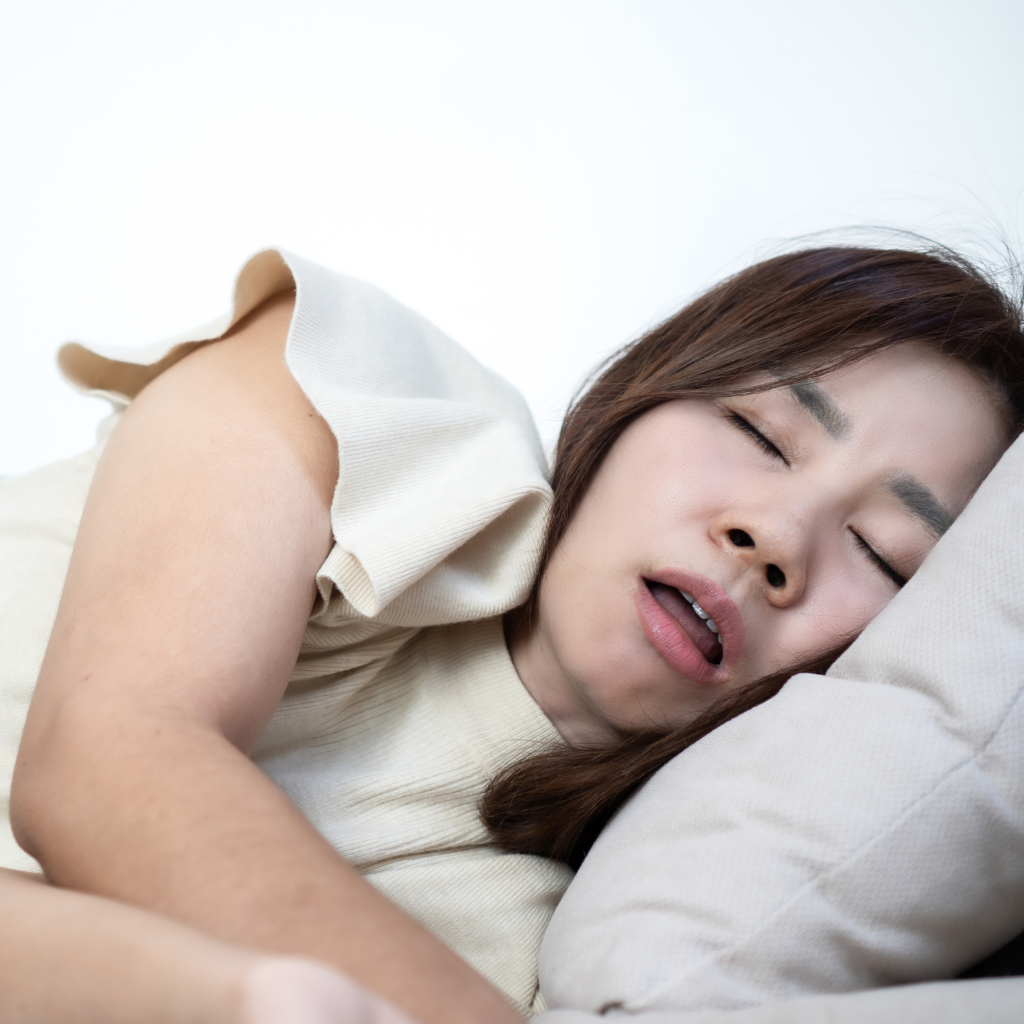
Research shows a strong and consistent link between the two conditions, though it hasn’t proven that one directly causes the other. In one large study, people at high risk for sleep apnea had about 40% higher odds of depression, anxiety, and other mental health conditions. The study followed more than 30,000 adults between the ages of 45 and 85 over several years.
The researchers were careful to say that their findings show a connection and stop short of proving cause. The relationship may also run both ways, since depression can affect sleep, weight, and energy in ways that make breathing problems at night more likely.
What this means for you is practical. If you’re living with depression and also have signs of sleep apnea, the two may be feeding each other. Treating only one of them can leave you stuck.
How Breathing Pauses Connect Sleep Apnea and Depression
Repeated breathing disruptions can lower your oxygen levels, briefly interrupt your sleep, or both. These disruptions can happen many times throughout the night, often without you realizing it.
Over time, those repeated drops in oxygen and constant interruptions take a toll on the systems that regulate mood, stress, and focus. You may spend plenty of hours in bed and still miss the deep, restoring sleep your brain needs. The result can look like depression: low mood, low motivation, a short fuse, and a mind that feels foggy.
The same process may help explain the link between sleep apnea and anxiety. Each pause in breathing sets off a small stress response in your body, and that can happen over and over through the night. Many people with untreated sleep apnea describe waking up tense, with a racing heart or a sense of dread they can’t explain.
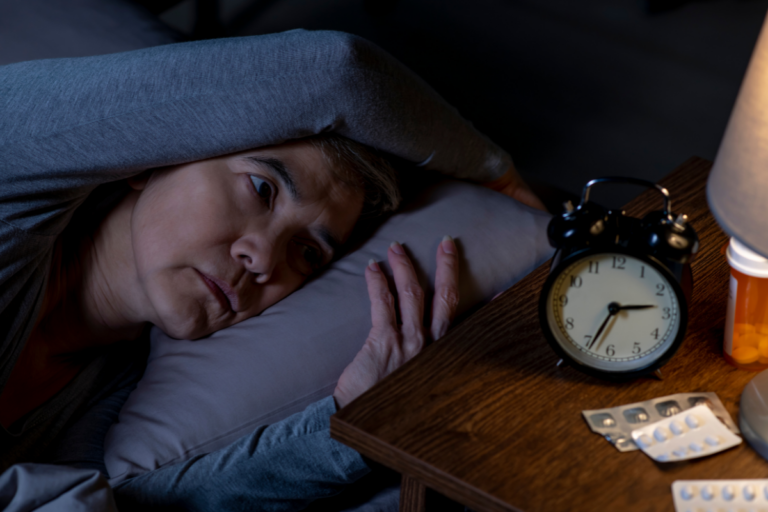
This is also why sleep apnea can be mistaken for other sleep problems. Many people notice frequent waking up in the middle of the night without realizing their breathing is what’s waking them.
Can Treating Sleep Apnea Improve Depression and Anxiety?
The most common treatment for sleep apnea is continuous positive airway pressure, or CPAP. A CPAP machine sends a gentle, steady stream of air through a mask while you sleep, which keeps your airway open so your breathing doesn’t stop.
For many people, CPAP therapy brings a real improvement in mood, because better breathing at night means better days. In one study, depressive symptoms improved among people using CPAP, and improvement was observed at 12 months; the longer-term result did not have a comparison group. People in that study also reported less daytime sleepiness and better control over their emotions.
CPAP can help, but it isn’t a replacement for depression treatment. Some people feel a clear lift in mood once their sleep improves, while others notice smaller changes. The machine can also take some getting used to, so it helps to work with your sleep provider on mask fit and comfort in the first few weeks.
Why Your Provider Should Ask About Sleep Apnea and Depression

If your depression or anxiety hasn’t responded fully to treatment, it’s reasonable to ask whether sleep apnea could be part of the picture. Poor sleep is a known driver of mood problems, and sleep belongs in your mental health care from the start.
If you think you might have both, these steps can help:
- Write down what you notice at night and in the morning, and ask a partner whether they’ve heard snoring or pauses in your breathing.
- Share those details with your mental health provider and your primary care provider.
- Ask whether a sleep study, done at home or in a sleep lab, makes sense for you.
- Keep up your current mental health treatment while you’re being evaluated.
Breaking the cycle between depression and poor sleep usually means treating both sides at once. A provider experienced in sleep disorders can help you sort out what’s happening at night and how it connects to how you feel during the day.
Final Thoughts
If you’ve been doing the work and still feel stuck, a missing piece may be hiding in your sleep. Checking for sleep apnea is a simple step, and finding it can open a new path forward. With the right support for both your sleep and your depression, better rest and a lighter mood are possible.
Frequently Asked Questions (FAQs)
1. Does CPAP help with anxiety too?
CPAP may help some people feel calmer, since better sleep supports emotional control and lowers daytime stress. Research on anxiety is less settled than research on depression. Talk with your provider about how your anxiety responds once your sleep improves.
2. How do I know if I need a sleep study?
Loud snoring, pauses in breathing that someone else notices, and feeling exhausted after a full night in bed are all good reasons to ask. Mention daytime sleepiness, morning headaches, and waking up gasping as well. Your provider can help decide which type of sleep study fits your situation.
3. Should I stop my depression treatment if I have sleep apnea?
Keep your depression treatment going unless your provider tells you otherwise. Sleep apnea treatment works best alongside mental health care. Let every provider involved know about both conditions so they can plan your care together.
Animo Sano Psychiatry is now serving patients across multiple states. If you’d like to schedule an appointment, please contact us to get started.
Get Access to Behavioral Health Care
Let’s take your first step towards. Press the button to get started. We’ll be back to you as soon as possible.ecovery, together.