Mental Health Awareness Month: Spreading Awareness in May

Maddison Henley, PA-C, CAQ-PSY
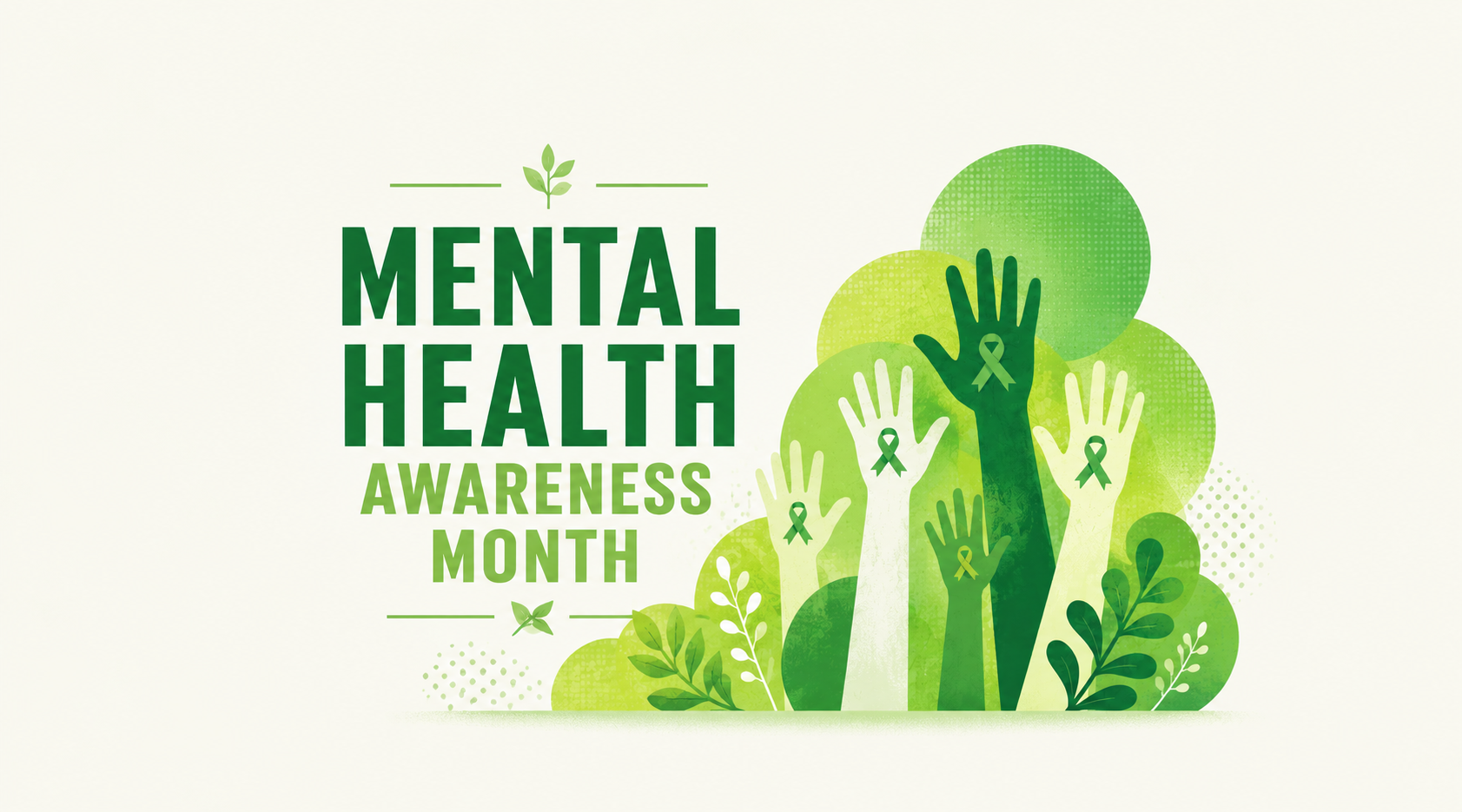
Mental health awareness is so critical as it is a topic that affects all parts of society. Spreading awareness not only helps in destigmatizing mental health issues but also emphasizes the importance of support and resources available for those in need. May is known as Mental Health Awareness Month, and it serves as a pivotal time to highlight these issues, promote dialogue, and foster a supportive community.
What is Mental Health Awareness Month?
Mental Health Awareness Month has been observed every May in the United States since 1949. It’s a month-long campaign dedicated to raising awareness about mental health conditions, reducing the stigma that keeps people silent, and connecting individuals and families to the support they need.
Each year, organizations like the National Alliance on Mental Illness (NAMI) and Mental Health America (MHA), who founded the observance, lead efforts to spread education, advocate for better mental health policy, and remind people that they are not alone. MHA’s 2026 theme, “More Good Days, Together,” centers on the power of community and connection in mental health recovery.
Mental Health Awareness Month is a time when mental health advocates, clinicians, and everyday people come together to fight stigma and push for a world where asking for help is treated like the strength it actually is.
Why Mental Health Awareness Still Matters
Mental health is one of the most common and most undertreated health challenges in the country. The numbers are clear.
According to SAMHSA’s 2024 National Survey on Drug Use and Health, 23.4% of U.S. adults (about 61.5 million people) experienced a mental illness in the past year. That’s more than one in five adults. And that rate has held steady for four consecutive years, signaling that this isn’t a passing trend. It’s an ongoing public health reality.
Young adults are particularly affected. Adults aged 18–25 experience the highest rates of mental illness of any adult age group, at 33.2%, yet they also have among the lowest rates of actually seeking treatment.
Perhaps the most urgent figure: of the 61.5 million adults living with a mental illness, nearly 29.5 million received no mental health treatment at all. That’s almost half. Stigma, cost, access, and the quiet belief that “it’s not bad enough yet” all play a role in keeping people from getting help.
Awareness matters because it saves lives. When people understand that what they’re experiencing has a name, that it’s treatable, and that they’re not weak for struggling, they’re more likely to reach out. And that first step can change everything.
The Power of Education and Early Action
Education is one of the most powerful tools we have for improving mental health outcomes. When communities understand the signs of depression, anxiety, or other conditions, they’re better equipped to support one another and to recognize when something has shifted in themselves.
Mental health stigma thrives in silence. The more openly we talk about mental health, with our families, in our workplaces, in our schools, the more we create environments where people feel safe enough to say, “I’m not okay, and I need help.”
That said, knowing something is wrong and knowing what to do next are two different things. If you or someone you love is struggling, knowing when it’s time to speak with a mental health professional can make it easier to take that first step with confidence.
How to Get Involved This May
Mental Health Awareness Month isn’t just something to observe. It’s something to participate in. Here are a few meaningful ways to show up this May:
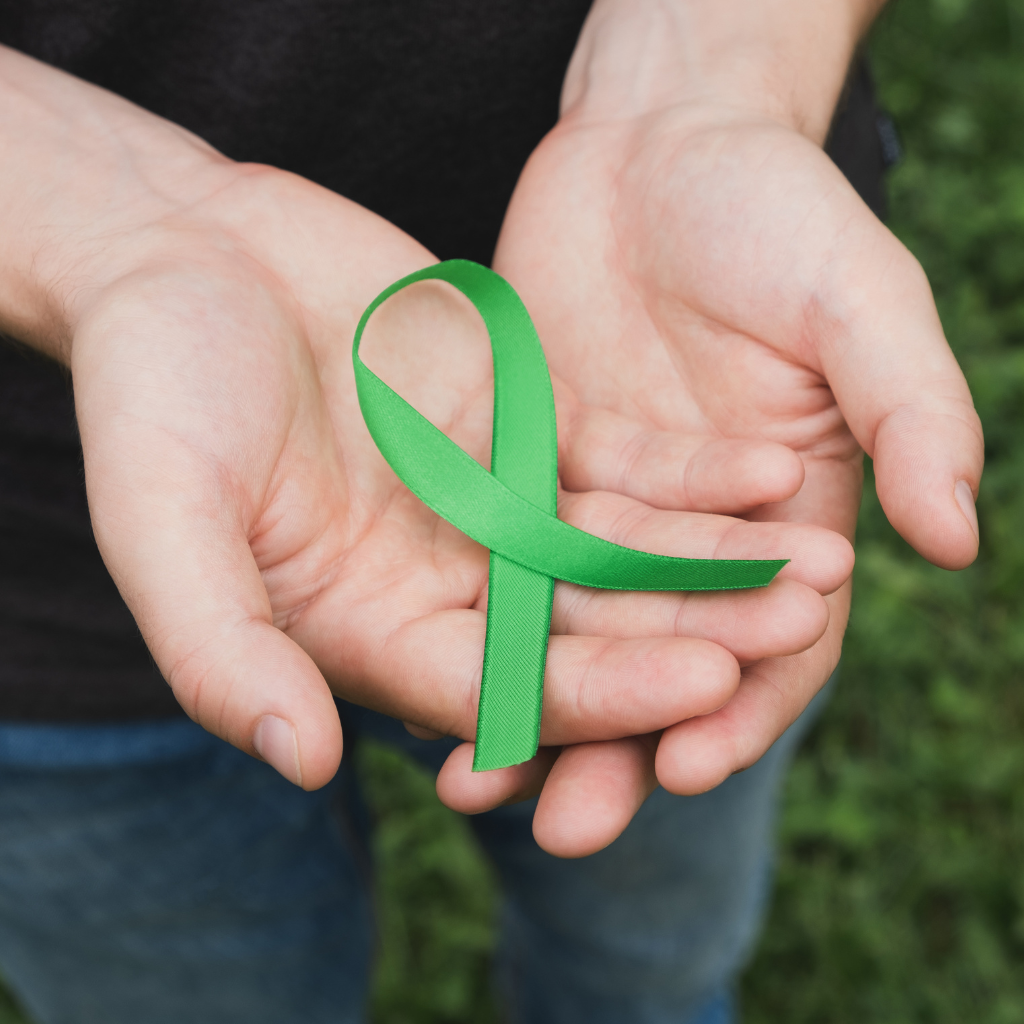
- Share the green ribbon. The green ribbon is the symbol of mental health awareness. Wearing or sharing it signals solidarity and opens the door to conversation.
- Post on social media. NAMI and MHA both provide free graphics, captions, and toolkits you can use to spread awareness to your networks.
- Have a real conversation. Check in on someone who might be struggling. You don’t need the right words. You just need to show up and listen without trying to fix anything.
- Attend a local event. NAMI affiliates across the country host walks, screenings, panels, and community events throughout May. Find one near you at nami.org.
- Share a resource. Sometimes the most helpful thing you can do for someone is quietly pass along a hotline number, a blog post, or information about how to get started with care.
- Make an appointment. If you’ve been putting off getting help for yourself, Mental Health Awareness Month is as good a reason as any to stop waiting. You deserve support too.
How to Support Someone You Love
Supporting someone with a mental health condition doesn’t require clinical training. What it does require is patience, consistency, and a willingness to show up without judgment.
A few things that genuinely help:
- Ask and listen. “How are you really doing?” Then actually listen to the answer without rushing to reassure or redirect.
- Validate, don’t minimize. Avoid phrases like “everyone feels that way” or “just think positive.” Instead, try: “That sounds really hard. I’m glad you told me.”
- Offer specific help. “Let me know if you need anything” can feel overwhelming to someone who’s struggling. Try instead: “I’m going to drop off dinner on Thursday” or “I can drive you to your appointment.”
- Be consistent. People with mental illness often worry about being a burden. Showing up regularly, not just in crisis moments, builds the trust that makes real support possible.
- Know your limits. Supporting someone else’s mental health can be emotionally taxing. Taking care of your own wellbeing isn’t selfish. It’s what makes sustained support possible.
Resources to Support Mental Health
Whether you’re looking for support for yourself, a loved one, or just want to learn more, these organizations are here to help:
- 988 Suicide & Crisis Lifeline: Call or text 988 anytime, 24/7. Free, confidential crisis support for anyone in emotional distress or suicidal crisis.
- Crisis Text Line: Text HOME to 741741. Free, 24/7 text-based crisis support.
- NAMI HelpLine: Call 1-800-950-NAMI (6264) or text “NAMI” to 741741. Free, Monday–Friday, 10 a.m.–10 p.m. ET. Information, support, and referrals for individuals and families.
- Mental Health America: Free mental health screenings, resources, and community toolkits.
If you’re not sure where to start, Animo Sano Psychiatry offers a 15-minute no-cost consultation, a low-pressure way to ask questions and figure out your next step.
Final Thoughts
Mental Health Awareness Month is a reminder that none of us has to navigate this alone. Whether you’re the one struggling, the one supporting someone else, or simply a person who wants to help create a world with less stigma and more compassion, you have a role to play this May.
Awareness starts with a single conversation. Treatment starts with a single phone call. And recovery, for so many people, starts with someone finally feeling seen.
At Animo Sano Psychiatry, we’re here whenever you’re ready.
Responsibly edited by AI


Animo Sano Psychiatry is now serving patients across multiple states. If you’d like to schedule an appointment, please contact us to get started.
Get Access to Behavioral Health Care
Let’s take your first step towards. Press the button to get started. We’ll be back to you as soon as possible.ecovery, together.