
Teen Emotional Dysregulation: Meltdowns, Causes, and When to Get Help

Sydney Johnston, DMSc, PA-C
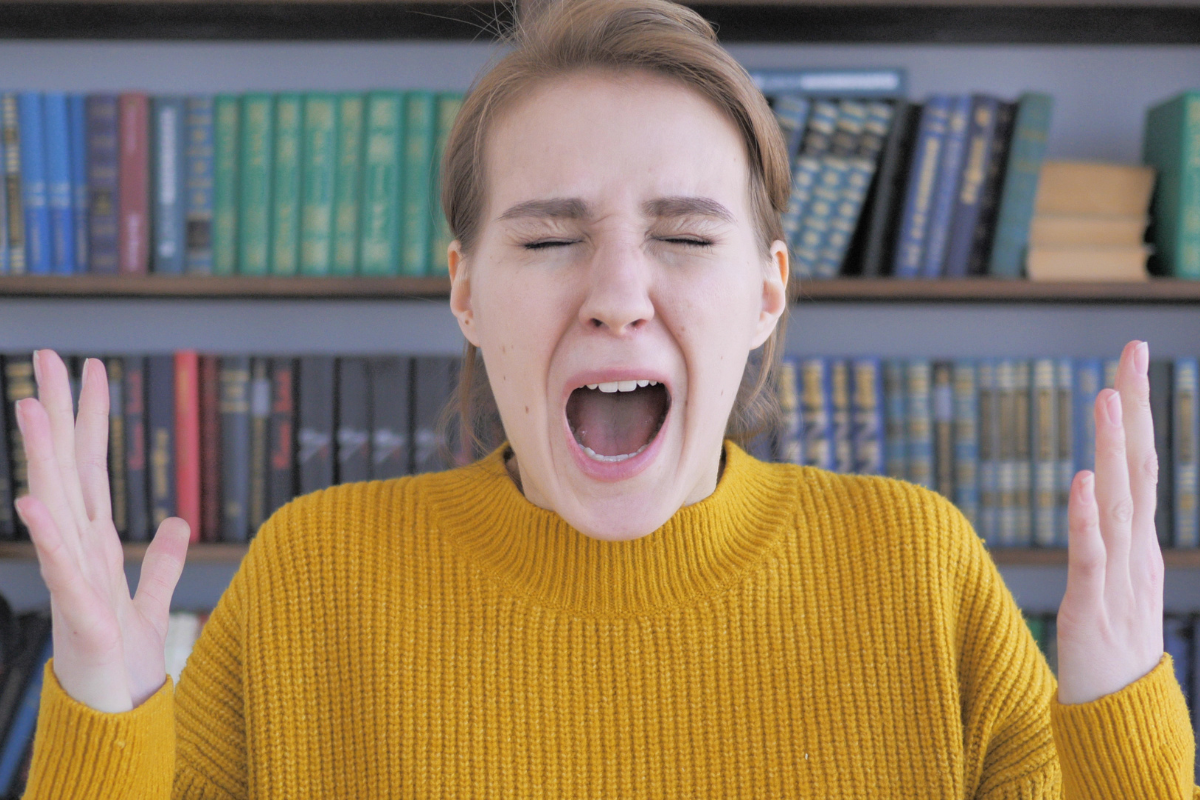
If your teenager can go from calm to full meltdown over a turned-off screen, and you brace before you even knock on their door, you are not overreacting and neither, necessarily, is your teen. What looks like drama is often emotional dysregulation, and there’s a real difference between the version that comes with growing up and the version worth treating. Here’s how to tell them apart, and what helps.
What Emotional Dysregulation Actually Is
Emotional regulation is the ability to notice a feeling and choose what to do with it, rather than be swept away. Emotional dysregulation is when that system is overwhelmed: the feeling comes on fast, hits hard, and spills into behavior before thinking can catch up.
In teenagers, this looks like reactions that seem out of proportion to the trigger. A cancelled plan becomes a catastrophe; a small correction lands like an attack. Your teen isn’t choosing to overreact. At the moment the emotion genuinely is that big, and the tools to bring it down are still under construction. The question worth sitting with isn’t “why is my teen like this,” but “how often, how intensely, and how much is it costing them.”

Why the Teenage Brain Runs Hot
There’s a biological reason adolescence and big emotions travel together. The brain doesn’t finish developing until the mid-to-late 20s, and it doesn’t mature evenly. The limbic system, which drives emotion and reward, comes online early and runs strong through the teen years. The prefrontal cortex, which handles planning, judgment, and impulse control, is one of the last parts of the brain to mature.
Picture a car with a powerful engine and brakes still being installed. That’s the teenage brain: the emotional accelerator is pressed while the system that slows things down is years from finished. The gap is normal and temporary, but while it lasts, feelings can outrun the ability to manage them.
It also explains why meltdowns cluster around certain moments. Transitions, being told no, hunger, and especially screens are classic flashpoints. Games and apps deliver constant reward to a brain already wired to chase it, so being asked to stop can feel like a genuine loss versus just an interruption. Sleep matters too, because teens are chronically short on it, and a tired brain regulates emotion far worse than a rested one.
Loud Meltdowns and Quiet Ones
When people picture a meltdown, they picture the loud kind: yelling, slammed doors, tears. That version is hard to miss.
The quiet kind is easier to overlook, but just as real. Some teens don’t explode outward when overwhelmed; they go silent, disappear into their room, stop answering, or seem to flatten out. This withdrawal can look like sulking or attitude, but it’s often the same flood of feeling turned inward, a shutdown rather than a blowup. A normally chatty kid going quiet and unreachable can signal dysregulation just as much as one who is shouting. Both are ways of saying this is too much right now.
When It Points to ADHD, Autism, Anxiety, or a Mood Condition
Most teen intensity is developmental. Sometimes, though, outsized reactions are a signal worth listening to, and a few patterns point beyond the ordinary.
- ADHD. Emotional dysregulation is increasingly understood as a core part of the condition, not just bad behavior. The same brain differences that make focus and impulse control hard also make big emotions harder to brake, so these teens often feel everything more intensely and recover more slowly.
- Autism. What looks like a tantrum may be a clinically defined meltdown: an intense response to being overwhelmed by sensory input, change, or social demand, in which a person temporarily loses control. It isn’t goal-directed or naughtiness, and it can happen with no audience at all.
- Anxiety. Dysregulation can surface as anger or avoidance. A teen who melts down before school or dodges certain situations may be managing fear rather than being difficult, so it helps to know how anxiety shows up in adolescents.
- A mood condition. Irritability and emotional swings, rather than obvious sadness, are often how depression surfaces in teens.
The most critical indicator is the broader pattern of behavior. One rough month during a stressful stretch is different from reactions that are frequent, intense, and clearly interfering with friendships, school, or family life.
How to Respond Without Pouring Fuel on It
During a meltdown, your teen’s rational brain is completely offline, meaning logic, lectures, and consequences will not work. Rather than trying to win the argument, the most effective approach is to focus on lowering the emotional temperature.
A few things that genuinely help:
- Stay regulated yourself. When a parent’s stress rises, the teen’s tends to rise with it. Meeting a raised voice with a calmer, quieter one does more to de-escalate than matching their intensity.
- Name the feeling before solving it. “This is really frustrating” is more effective than “calm down.” Feeling understood takes some of the intensity out of the moment.
- Give space and time. An intense reaction sets off a physical cascade that takes a while to settle. Fewer words and room to come down is a more effective approach than pressing for a conversation mid-storm.
- Circle back later. Problem-solving, boundaries, and repair only work once everyone is calm.
Enforce limits when your teen is calm and capable of listening, not in the middle of a meltdown.
When to Wait and When to Get an Evaluation

Often, consistent support at home is sufficient as your teenager navigates a developmentally normal, yet draining, phase. Employing patience is truly an effective strategy.
However, certain indicators suggest it is time to take action rather than wait:
- Outbursts that occur frequently and with high intensity
- Incidents that harm relationships or negatively impact school performance
- A teenager who struggles between episodes instead of recovering quickly
- A household that feels like walking on eggshells to maintain peace
In these cases, a child and adolescent psychiatrist can distinguish between typical developmental behavior and clinically significant issues, determining if an underlying condition such as ADHD, anxiety, autism, or a mood disorder is present.
Final Thoughts
A teenager who feels everything at full volume isn’t broken, and neither is your parenting. For most, the intensity is the sound of a brain still wiring itself, and it eases with time, sleep, and steady support. When it’s more than that, naming it is the opposite of failure; it’s how the right help begins. The goal was never a teen who stops feeling big things, but one who slowly learns they can ride the wave without being pulled under.
Frequently Asked Questions (FAQs)
1. Is teen emotional dysregulation normal, or a sign of a disorder?
Both are possible. A degree of emotional intensity is developmentally normal in adolescence because the emotional brain matures faster than the part that regulates it. It’s more likely to signal a condition when reactions are frequent, severe, and interfere with daily life, or when a teen struggles even between episodes.
2. Why does my teen melt down over screens and small things?
Transitions, being told no, and losing access to something rewarding are common triggers for a brain wired to seek reward and not yet fully able to self-regulate. Screens are a frequent flashpoint because games and apps deliver constant stimulation, so stopping can feel like a real loss rather than a minor interruption.
3. What’s the difference between a teen meltdown and a tantrum?
A tantrum is generally goal-directed, a young child’s attempt to get a specific outcome. A meltdown is a response to being overwhelmed, not a strategy, and the teen genuinely loses control rather than choosing the behavior. Meltdowns can happen with no audience and don’t stop just because a demand is met.
4. When should I take my teen to a professional for emotional outbursts?
Consider an evaluation if outbursts are frequent and intense, if they’re harming school, friendships, or family life, if your teen seems distressed between episodes, or if you’re constantly managing the household around their moods. If there is any mention of self-harm or suicide, seek help immediately rather than waiting.
Explore More


Animo Sano Psychiatry is now serving patients across multiple states. If you’d like to schedule an appointment, please contact us to get started.
Get Access to Behavioral Health Care
Let’s take your first step towards. Press the button to get started. We’ll be back to you as soon as possible.ecovery, together.