
Phone Anxiety and Social Anxiety: Why So Many People Dread Making Calls

Morgan Poston, PA-C
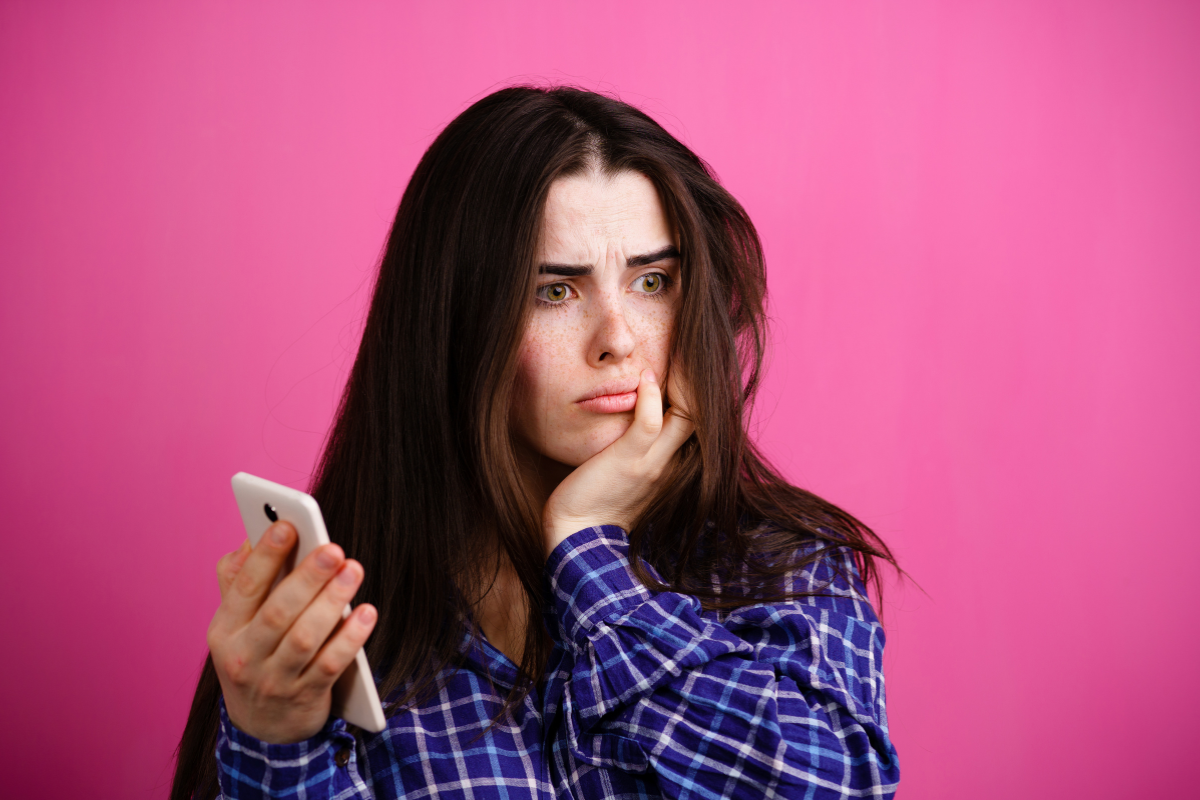
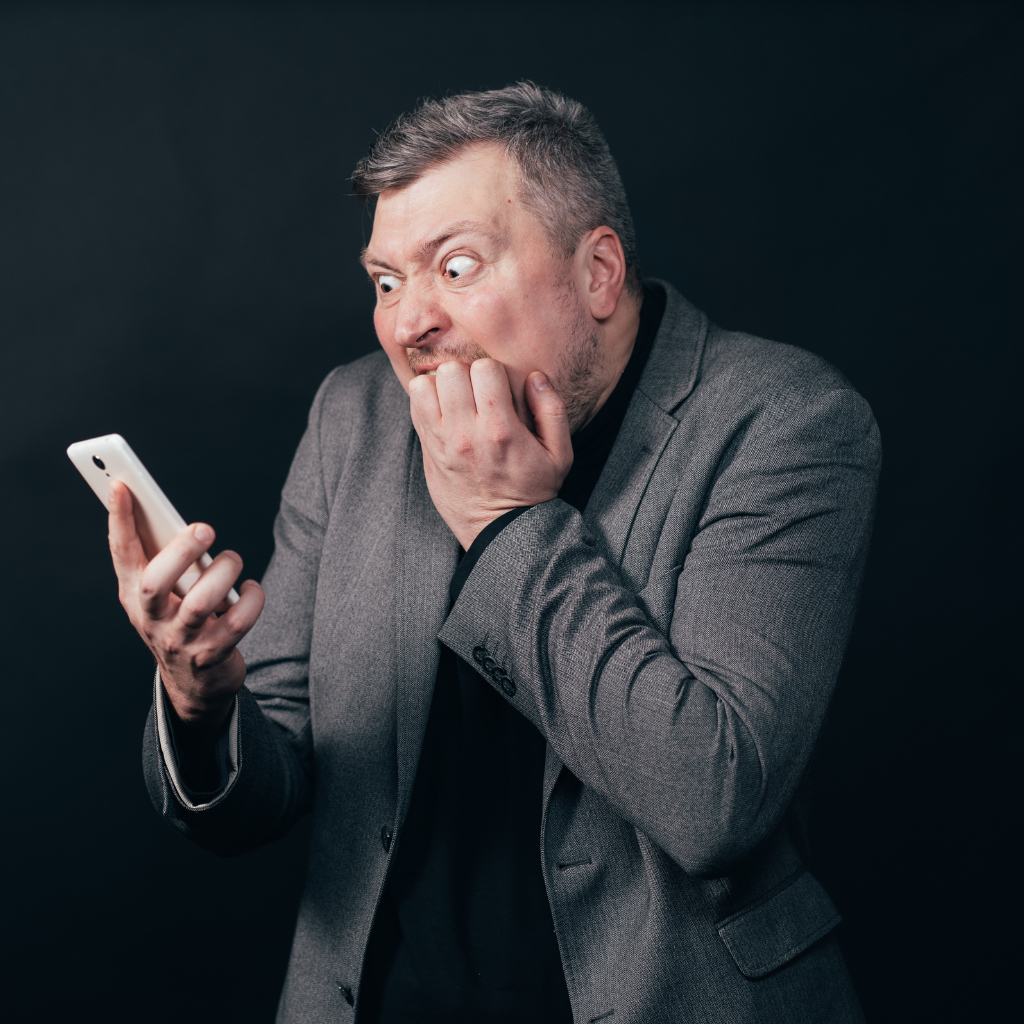
For a growing number of people, a ringing phone triggers a small wave of dread. The urge to let it go to voicemail, the rehearsing of what to say, the quiet relief when a conversation can happen by text instead, these reactions are far more common than most people assume. Phone anxiety, sometimes called telephobia, describes the fear and avoidance of phone conversations, and it often co-occurs alongside social anxiety. One widely cited survey found that 76% of millennials and 40% of baby boomers feel anxious when their phone rings, a gap that reflects how dramatically communication habits have shifted.
What Phone Anxiety, or Telephobia, Actually Is
Telephobia is the discomfort, dread, or outright fear associated with making or receiving phone calls. It is not a standalone diagnosis in the Diagnostic and Statistical Manual of Mental Disorders (DSM-5-TR), but rather a manifestation of social anxiety or, in some cases, specific phobia. It exists on a spectrum. For some, it is a mild apprehension before dialing. For others, it produces the full physical response of anxiety: a racing heart, shortness of breath, nausea, or muscle tension. It is also measurable. In a 2024 study of undergraduate medical students, 42% showed some degree of telephobia, with approximately 9% reporting moderate to severe symptoms. Simply disliking calls is not the same as phone anxiety. The distinction lies in whether the discomfort leads to avoidance and distress that interfere with daily functioning.
Why Calls Feel Harder Than Texts
A phone call removes nearly every social cue people rely on. There is no facial expression, no body language, no eye contact, only the sound of a voice. That absence makes it harder to read tone or gauge how a message is landing. Calls also happen in real time. A text can be drafted, edited, and reconsidered before sending, while a call demands an immediate response with no opportunity to revise. Add the pressure of a silence on the line, and the whole exchange can feel exposing in a way that written messages rarely do.
Why Phone Anxiety Grew After the Pandemic
Phone conversation is partly a skill, and skills fade without practice. Many people now go weeks without a spontaneous voice call, handling work, friendships, and errands through messages and apps instead. The COVID-19 pandemic accelerated this shift. Extended periods of isolation reduced everyday social contact, and for younger adults in particular, that meant fewer of the ordinary interactions that build comfort with live conversation. When calling becomes rare, each call can start to feel higher stakes than it really is.
How Phone Anxiety and Social Anxiety Overlap
Phone anxiety frequently occurs in people living with social anxiety disorder, a condition characterized by intense fear of negative evaluation or scrutiny by others. Social anxiety disorder has a lifetime prevalence of approximately 13% and a 12-month prevalence of approximately 7% among U.S. adults. A call carries many of the same triggers: the fear of saying the wrong thing, of awkward silences, of being judged in the moment. Avoidance is the common thread. Skipping a feared situation brings quick relief, but that relief reinforces the belief that avoidance is necessary for safety, which makes the next call feel harder. Over time, this cycle of negative reinforcement strengthens the very fear it was meant to escape.
How Phone Avoidance Shows Up in Everyday Life
Phone avoidance rarely stays contained to a single call. It can mean postponing a medical appointment because scheduling it requires calling, letting a voicemail sit unheard for days, or asking someone else to make a call on one’s behalf. It can also quietly limit professional opportunities, since roles that involve client contact, interviews, or quick check-ins can start to feel out of reach. What looks like a simple preference for texting can gradually narrow the range of situations a person feels able to handle.
A Gradual Approach to Reducing Phone Anxiety
One of the most effective ways to ease phone anxiety is through cognitive behavioral therapy (CBT), which is considered the first-line psychotherapy for social anxiety disorder. A core component of CBT is exposure-based intervention, which uses a technique called an exposure hierarchy. The goal is to confront feared calls in small, manageable steps rather than all at once. A typical progression might look like this:
- Leave a short voicemail or send a voice message, where no live response is required.
- Call a familiar, low-pressure contact for a brief exchange.
- Make a simple transactional call, such as checking a store’s hours.
- Handle a slightly longer or less predictable call, such as scheduling an appointment.
Each step is repeated until it feels routine before moving on to the next. Pairing the practice with slow breathing and a few notes jotted down beforehand can lower the intensity further. This structured exposure is also a core component of CBT that treats social anxiety more broadly.
When to Seek Professional Support

Gradual, self-directed practice works well for milder phone anxiety. Professional support becomes valuable when avoidance is disrupting work, health care access, or relationships, or when it occurs in the context of broader social anxiety that self-help strategies have not adequately addressed. Therapy, particularly CBT, is considered the gold standard with response rates of 50% to 65% in high-quality trials. In some cases a provider may discuss whether medication could help alongside CBT. A brief consultation is a low-pressure way to determine which approach is the best fit.
Final Thoughts
Dreading phone calls is not a character flaw or a sign of weakness. It is a recognized and treatable form of anxiety, shaped by how people communicate today and closely tied to the mechanisms of social fear. With gradual practice and, when needed, the appropriate support, a ringing phone can become far less intimidating.
Frequently Asked Questions (FAQs)
1. Is phone anxiety a real condition?
Yes. Often called telephobia, it involves genuine fear and avoidance of calls. While it is not a separate diagnosis in the DSM-5-TR, it frequently represents a feature of social anxiety disorder or specific phobia and is clinically recognized and treatable. and it frequently overlaps with social anxiety.
2. What is the difference between disliking calls and having phone anxiety?
Disliking calls is a preference, while phone anxiety causes clinically meaningful distress and avoidance that can interfere with daily responsibilities.
3. Can phone anxiety be overcome without therapy?
Milder cases often improve through gradual, self-directed exposure, though therapy helps when avoidance is affecting work, health, or relationships.
4. Why do calls feel harder than texting?
Calls remove facial expressions and body language, occur in real time, and leave no opportunity to edit a response before it is heard.
5. Does phone anxiety always mean someone has social anxiety?
Not necessarily, but the two frequently co-occur, since both involve fear of negative evaluation during real-time social interaction. Phone anxiety can also occur as a feature of specific phobia or generalized anxiety.

Animo Sano Psychiatry is now serving patients across multiple states. If you’d like to schedule an appointment, please contact us to get started.
Get Access to Behavioral Health Care
Let’s take your first step towards. Press the button to get started. We’ll be back to you as soon as possible.ecovery, together.