
School Refusal in Children: What’s Really Going On and How to Help

Sydney Johnston, DMSc, PA-C
Key Takeaways
- School refusal is almost always driven by anxiety, depression, or another mental health condition, not defiance, laziness, or manipulation. The distress your child is showing is real.
- Letting your child stay home feels compassionate at the moment. But accommodation relieves anxiety temporarily and strengthens avoidance over time, making return harder the longer it continues.
- The goal of treatment isn’t to eliminate anxiety before going back to school. It’s to return while learning to tolerate anxiety. That distinction changes everything about how you respond.
- Gradual, structured return plans supported by a trained therapist outperform both forced return and extended home stay in clinical outcomes.
- School refusal lasting more than a few days warrants a professional evaluation. The longer it goes unaddressed, the more entrenched the avoidance becomes.
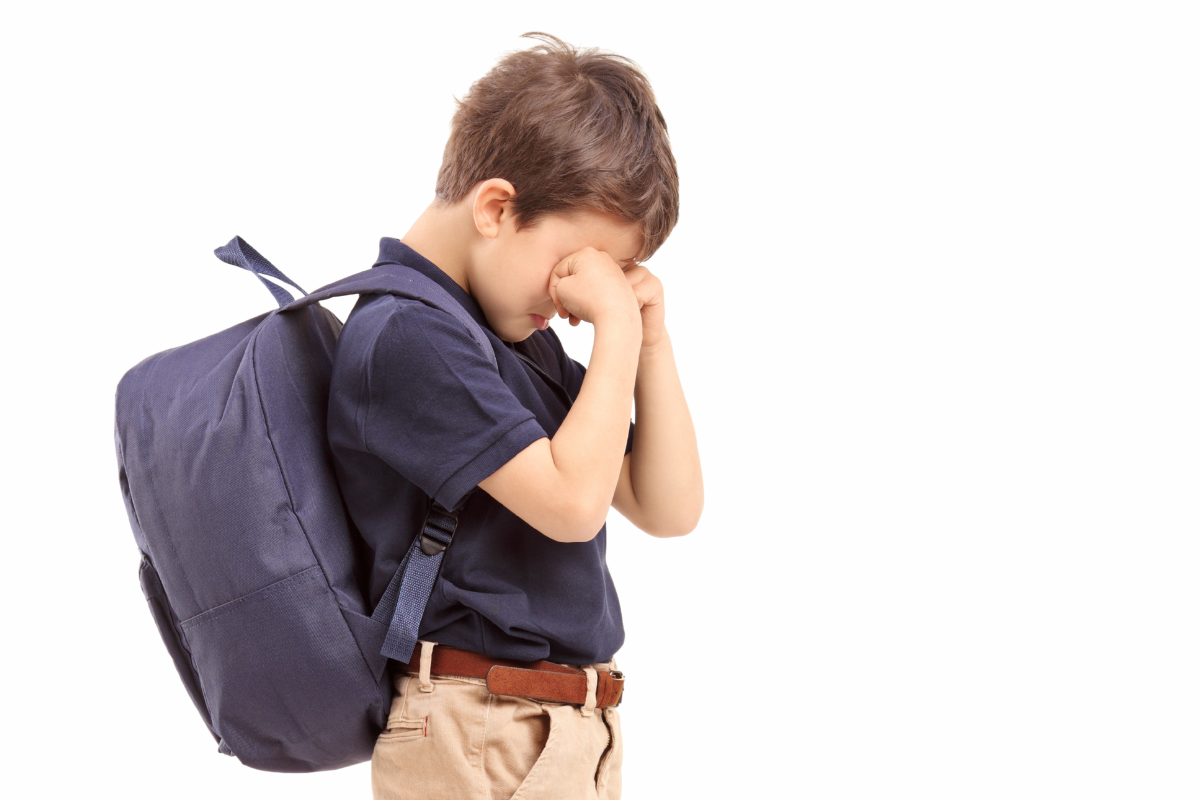
You’ve tried everything. You’ve reasoned, reassured, and bargained. Some mornings you make it to the school parking lot. Other mornings you don’t make it out of the house. Your child isn’t faking stomachaches. And you’re caught between wanting to help and worrying you’re making it worse.
Understanding what’s driving school refusal in children, and what response genuinely helps, makes a bigger difference than most parents expect.
School Refusal vs. Truancy: Why the Difference Matters
The first thing to understand is what school refusal is not. It is not truancy. It is not defiance. It is not a child deciding they’d rather stay home than sit through algebra.
Truancy involves deliberate absence without parental knowledge, typically without distress. The child isn’t upset about missing school. They’re choosing to skip for non-emotional reasons.
School refusal is an emotionally-driven difficulty attending school, most common in children ages 5 to 7 and 11 to 14, often during transitions into new school environments. The child is genuinely distressed, and that distress shows up in measurable ways: panic, crying, physical illness, emotional shutdown, or explosive behavior at the door.
Research estimates school refusal affects between 1 and 5% of all school-aged children. When it persists, it almost always has a mental health driver underneath.
Mental Health Conditions Behind School Avoidance
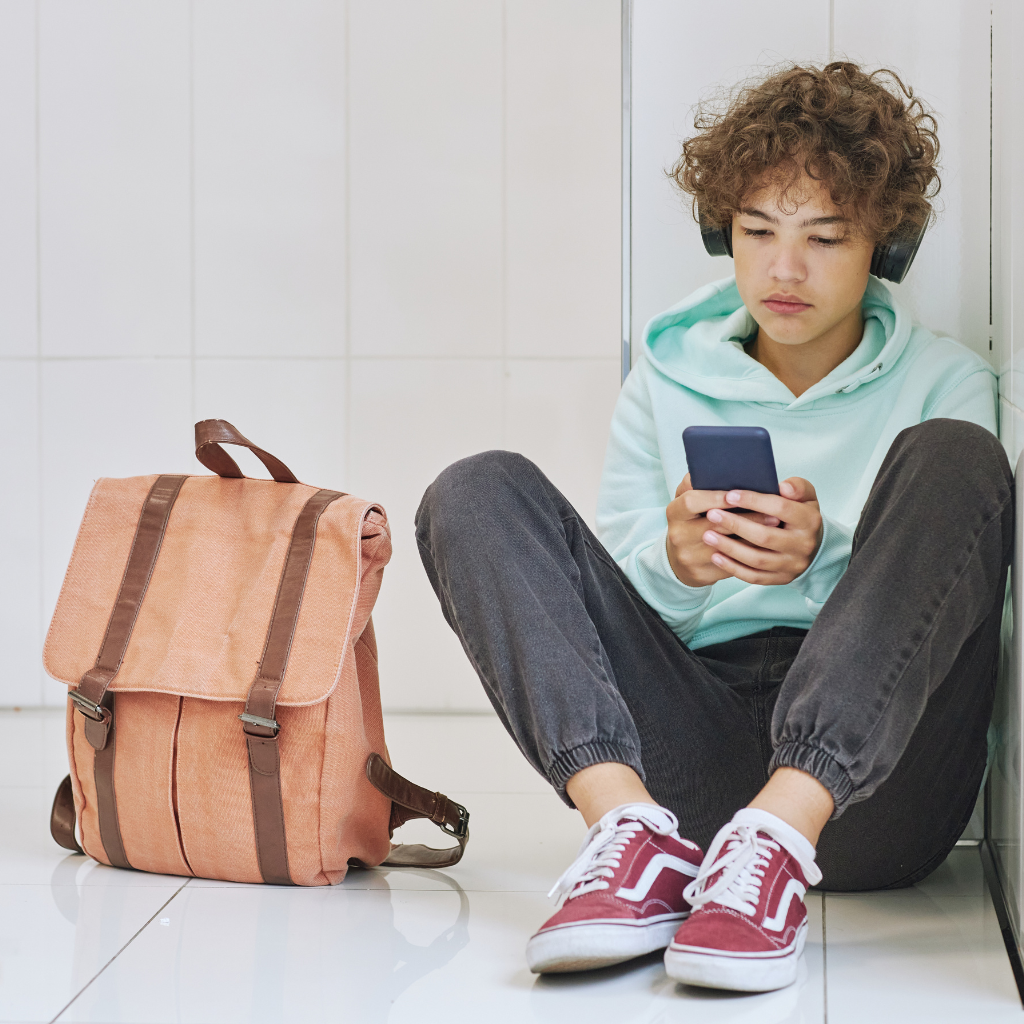
Anxiety is the most common underlying cause. Anxiety symptoms in children can include avoidance of feared situations, physical complaints like headaches and stomachaches, irritability, and difficulty separating from parents, all of which map directly onto how school refusal presents. For many children, school isn’t one fear. It’s several layered on top of each other.
Common conditions driving school avoidance anxiety include:
- Generalized anxiety disorder. Excessive, hard-to-control worry that spills across multiple areas, including school performance, peer relationships, and the safety of family members.
- Social anxiety disorder. Intense fear of social situations, evaluation by others, or humiliation. Lunch periods, hallways, presentations, and group work can all feel threatening.
- Separation anxiety. More common in younger children, this involves significant distress about leaving home or a primary caregiver. The fear isn’t school itself. It’s being away from safety.
- Panic disorder. Unexpected panic attacks, or fear of having one, can make any environment feel dangerous. Once a child has panicked at school, school becomes associated with that fear.
- Depression. Withdrawal, loss of motivation, and fatigue can make school feel impossible. Depression and anxiety often co-occur in children, which means the clinical picture isn’t always clean.
School refusal can also appear alongside ADHD, learning disabilities, and other neurodevelopmental conditions where the school environment itself is genuinely difficult. The driver determines the response.
Why Accommodation Makes School Refusal Worse
This is the hardest part for parents to sit with. When your child is visibly distressed, keeping them home feels like protection. In the short term, it is. The anxiety goes down. The morning stops being a war.
But avoidance is the engine that keeps anxiety running. Every time a child avoids a feared situation and feels relief, their brain learns that avoidance works. The next attempt to return becomes harder. Each successful avoidance makes the feared situation feel more threatening and the child’s capacity to handle it feel smaller.
Accommodation, including excuse notes, modified schedules, and early pickups, can provide short-term relief during an acute crisis. But when it becomes the default, it delays the skill-building a child needs to improve. Working with a provider experienced in child and adolescent mental health can help families find the line between appropriate support and patterns that reinforce avoidance.
How to Help Your Child on a School Refusal Morning
When your child is in distress at the school door, there is no perfect script. But there are approaches that tend to help and ones that consistently make things worse.
What tends to help:
- Stay calm and brief. Extended negotiation and reassurance often escalate anxiety. A calm, matter-of-fact stance communicates that school is expected and manageable.
- Validate the feeling without validating the avoidance. “I know this feels really hard” is different from “I understand, let’s go home.” The first acknowledges the experience. The second confirms the anxiety is reason enough to leave.
- Keep the goal small. On a difficult morning, getting through the door is enough.
- Establish a transition plan with the school. A designated staff member, a brief check-in point, and a clear first activity can make arrival feel less unpredictable.
What tends to make it worse:
- Extended back-and-forth about whether the child has to go
- Offering home as a reward for expressing distress
- Inconsistency, going some days and not others based on mood
- Putting the decision in the child’s hands
Gradual Return Plans vs. Forcing a Return to School
Parents often feel like the choice is binary: force them back or wait until they’re ready. Neither extreme reflects what the evidence supports.
Forced return without addressing the underlying anxiety tends to produce short-term compliance and longer-term damage to the parent-child relationship.
Waiting until the child feels ready can mean waiting a very long time. Anxiety doesn’t typically improve through avoidance. The longer a child is out of school, the more unfamiliar and threatening it becomes.
What clinical evidence supports is graduated, structured exposure: returning in small, manageable steps with clear plans, consistent adult support, and parallel mental health treatment. This might look like attending for one class, then two, building incrementally. The pace is calibrated to the child, but it moves forward.
When School Refusal Needs Professional Treatment

School refusal that persists beyond a few days, or returns repeatedly after brief improvements, needs professional assessment. Indicators that warrant prompt evaluation:
- Physical symptoms like stomachaches, headaches, and nausea that consistently appear on school mornings and resolve on weekends or holidays
- Escalating distress over time rather than stabilizing
- Complete refusal rather than partial avoidance
- Signs of depression, significant weight change, withdrawal from friends, or sleep disruption
A child and adolescent psychiatrist or psychologist can evaluate what’s driving the refusal, identify co-occurring conditions, and design a return plan coordinated with the school. The most effective outcomes come from three-way coordination between the family, the school, and the mental health provider.
Cognitive behavioral therapy, specifically exposure-based approaches, has strong research support as a treatment for anxiety disorders in children. It works by gradually building the child’s tolerance for anxiety-provoking situations rather than waiting for the anxiety to go away on its own.
Final Thoughts
School refusal is one of those situations where the instinct that feels most loving, keeping your child safe from distress, can quietly work against their recovery. The goal isn’t to dismiss how hard this is for your child. It is hard. But the path forward runs through the anxiety, not around it.
Getting an accurate picture of what’s driving the refusal and building a plan that coordinates home, school, and clinical support gives families the clearest route back. Most children with anxiety-related school refusal do return to school. The earlier the intervention, the smoother that path tends to be.
Frequently Asked Questions (FAQs)
1. Is school refusal the same as truancy?
No. Truancy involves intentional absence without parental awareness and without significant emotional distress. School refusal involves visible distress, often physical symptoms, and a child who isn’t simply choosing to skip. The emotional component is what distinguishes it clinically.
2. My child says they’re sick every morning. How do I know if it’s real?
Physical symptoms like stomachaches, headaches, and nausea are very real in anxiety. They’re not fabricated. The pattern to look for: do symptoms appear consistently on school mornings and resolve on weekends or once the child is told they can stay home? That pattern strongly suggests anxiety rather than illness.
3. How long is too long before seeking help?
A general guideline is that refusal lasting more than a week, or returning after brief improvement, warrants a professional evaluation. The longer school refusal goes unaddressed, the more the avoidance entrenches. Early intervention produces significantly better outcomes.
4. Can medication help with school refusal?
Medication isn’t typically the first line of treatment. For anxiety-driven school refusal, CBT with exposure components is the most evidence-supported approach. In cases where anxiety is severe enough to make engaging with therapy difficult, medication may be considered as part of a broader plan. Your child’s provider can advise based on the full clinical picture.
Responsibly edited by AI
Explore More



Animo Sano Psychiatry is now serving patients across multiple states. If you’d like to schedule an appointment, please contact us to get started.
Get Access to Behavioral Health Care
Let’s take your first step towards. Press the button to get started. We’ll be back to you as soon as possible.ecovery, together.