
Sleep Less to Sleep More: The Science Behind Sleep Restriction Therapy for Insomnia

Jasmine Zaman – PA-C
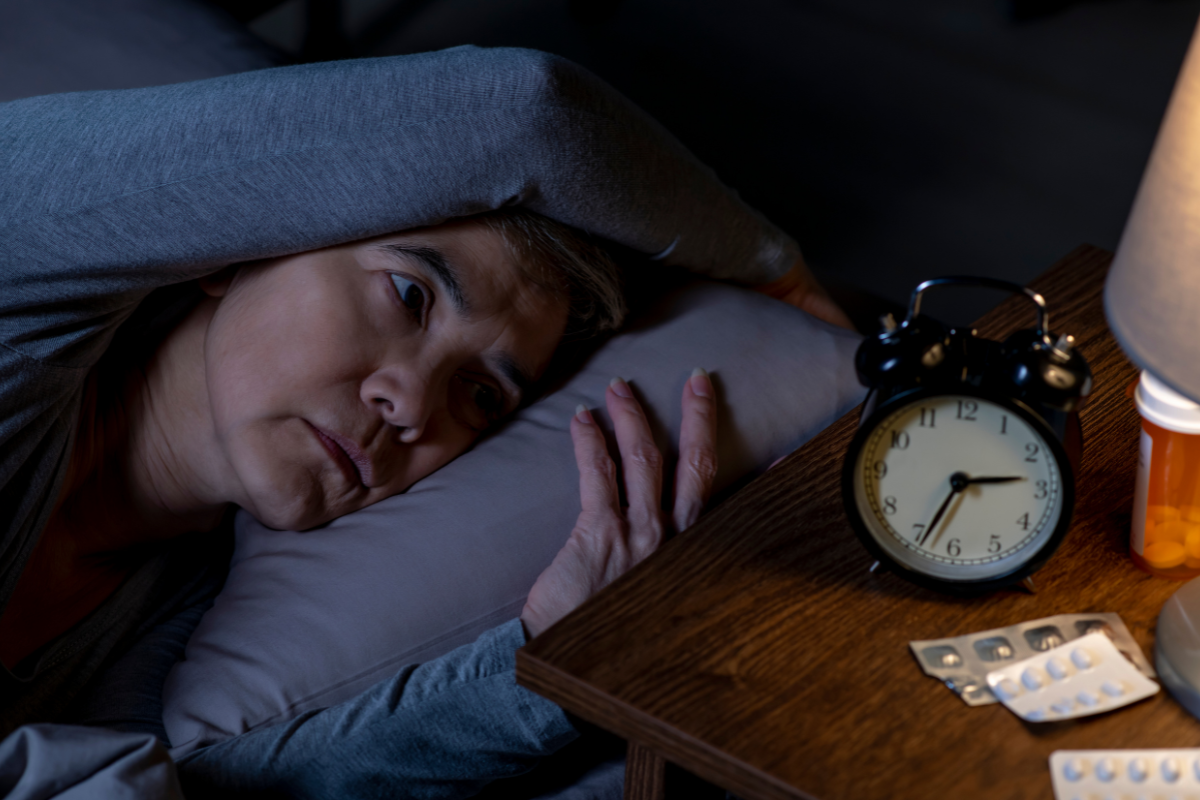
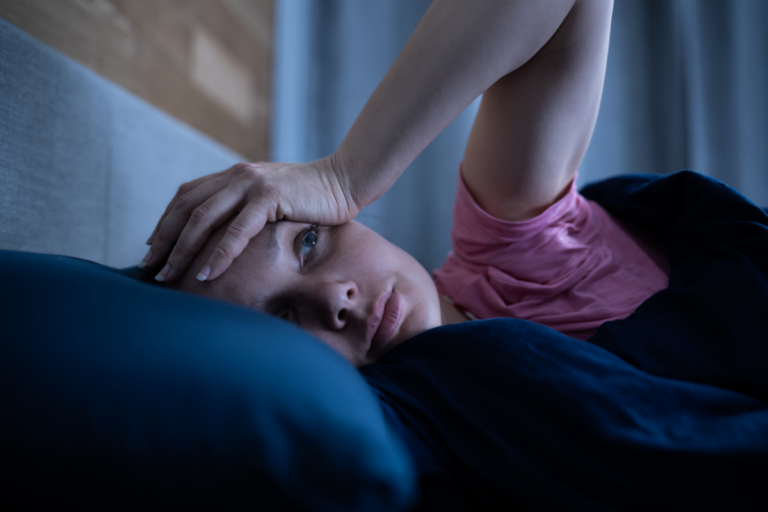
The advice sounds almost absurd: if you cannot sleep, spend less time in bed.
For anyone who has spent months lying awake at 2 a.m., watching the ceiling and dreading the alarm, that suggestion can feel not just counterintuitive but a little offensive. And yet, sleep restriction therapy is the single most effective behavioral component of CBT-I, the gold-standard, first-line treatment for chronic insomnia. Once the science is understood and the process prepared for honestly, the whole picture changes.
Why Chronic Insomnia and Too Much Time in Bed Often Go Hand in Hand?
According to a 2024 AASM survey, 12% of Americans have been diagnosed with chronic insomnia, and 30 to 40% of U.S. adults report insomnia symptoms in a given year. When left unaddressed, the condition persists in individuals over several years.
The most natural response to poor sleep is to spend more time in bed, going to bed earlier, lying in on weekends, resting whenever possible. Logical as it sounds, this often makes chronic insomnia worse. The longer someone spends in bed while not sleeping and scrolling, clock-watching, staring at the ceiling, the more the brain learns to associate the bed with wakefulness rather than rest. Sleep becomes fragmented and shallow, and the bed becomes a cue for hyperarousal instead of sleep.
Sleep restriction therapy interrupts this cycle at its foundation.
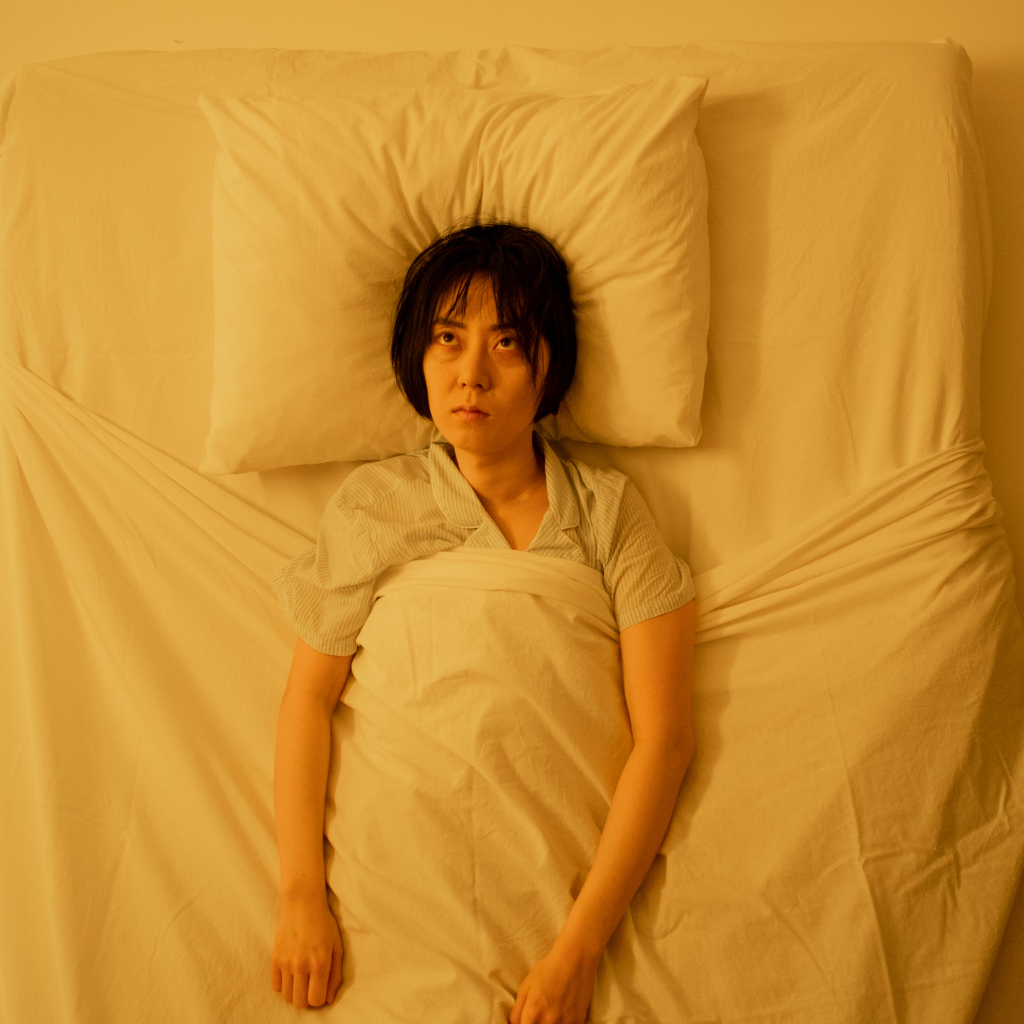
How Sleep Restriction Therapy for Insomnia Actually Works?
Sleep restriction therapy temporarily compresses the time spent in bed to match a person’s actual average sleep time, tracked through a daily sleep diary. If someone spends nine hours in bed but only sleeps five and a half, their prescribed sleep window becomes five and a half hours with a fixed wake time and a correspondingly late bedtime.
This deliberately builds homeostatic sleep pressure. The brain’s biological drive to sleep, driven by the accumulation of adenosine during waking hours. The longer a person is awake, the stronger this pressure becomes, eventually overriding the hyperarousal that sustains chronic insomnia. A systematic review in Sleep Medicine Reviews confirmed that sleep restriction works through four mechanisms: building sleep pressure, reducing excessive time in bed, lowering hyperarousal, and tightening circadian regulation of sleep.
Once sleep efficiency consistently exceeds 85%, meaning 85% of time in bed is spent actually sleeping, the window is extended in 15 to 30-minute increments until a restorative duration is reached. A 2024 network meta-analysis found sleep restriction therapy to be the most effective single component of CBT-I, with researchers recommending it be implemented early in treatment.
The “Worse Before Better” Experience
This is what nobody explains clearly enough and the main reason people quit before the therapy has a chance to work.
During the first few weeks, total sleep time often decreases and daytime fatigue increases. The body is tired early in the evening but held to a late prescribed bedtime. Many people describe it as running on empty.
This is not a sign the therapy is failing. It is the mechanism working. The fatigue reflects accumulating sleep pressure that will eventually produce deeper, more consolidated sleep. Meaningful improvements from CBT-I typically begin around weeks three to four which means the early phase, when the urge to quit is strongest, is also the most critical phase to push through.
The exhaustion of week one is not a setback. It is often the clearest signal the process is doing what it is supposed to do.
Common Reasons People Quit Early
The dropout rate during sleep restriction is a recognized challenge in CBT-I. A few patterns consistently drive it:
The daytime tiredness feels unsustainable. A legitimate concern, especially for those with demanding jobs or caregiving responsibilities. A clinician can adjust the pace or window size to make it more workable without undermining the therapy.
The first nights look no different from before. Sleep rarely improves in a straight line. Early nights can be among the hardest of the entire process, and without knowing this in advance, many interpret it as proof the therapy is not working and stop.
The timeline expectations are off. Many expect improvement within days. Studies show that most people who complete CBT-I experience moderate to large reductions in insomnia severity and improved sleep efficiency, but that payoff typically arrives around week three or four not week one.
Quitting during the first two weeks is, in many cases, quitting just before the turning point.
Sleep Restriction vs. Sleep Deprivation: An Important Distinction
The two are meaningfully different, and understanding that distinction matters for both safety and motivation.
Sleep deprivation is arbitrary, uncontrolled sleeplessness caused by work, illness, or external pressures. It accumulates over time and causes harm without any structured recovery built in.
Sleep restriction therapy is a structured clinical protocol with a defined minimum sleep window (typically no less than four and a half hours), a consistent wake time, and a systematic extension schedule tied to measurable progress. The temporary fatigue during restriction reflects a decrease in hyperarousal and cortical activity which are physiological changes that facilitate deeper, more restorative sleep, not the accumulating damage of chronic deprivation.
The discomfort is a side effect of the mechanism, not the mechanism itself. It diminishes.
How Sleep Restriction Fits Into a Full CBT-I Protocol?
Sleep restriction works best alongside the other components of CBT-I:
Stimulus control rebuilds the bed-sleep association by restricting bed use to sleep and sex only, and no screens, no lying awake ruminating.
Cognitive restructuring addresses the thought patterns that sustain insomnia like catastrophizing about tomorrow on limited sleep, or the belief that the brain is permanently broken. For those also managing anxiety or depression, these patterns are often active drivers of insomnia, not just symptoms of it.
Sleep hygiene and relaxation techniques address environmental and physiological factors that make sleep onset harder like light exposure, caffeine timing, and the activated nervous system that keeps the body in a state of readiness at bedtime.
CBT-I is the first-line treatment for insomnia disorder, with improvements that outlast medications and carry no risk of dependency or withdrawal. For those whose insomnia is connected to ADHD, trauma, or PTSD, addressing those conditions alongside the behavioral sleep work typically accelerates results.
Who Should Not Attempt Sleep Restriction Without Professional Guidance
Sleep restriction is not recommended without clinical oversight for people with:
Bipolar disorder: Restricting sleep can trigger manic or hypomanic episodes. A modified CBT-I-BP protocol exists for this population but requires supervised delivery throughout.
Seizure disorders: Sleep deprivation is a known seizure trigger. The Center for Deployment Psychology identifies epilepsy as among the clearest contraindications for unsupervised sleep restriction.
Severe obstructive sleep apnea: Untreated apnea can both mimic and worsen insomnia. Addressing it first is necessary before sleep restriction is safe or effective.
Parasomnias: Conditions like sleepwalking or REM sleep behavior disorder may be exacerbated by the sleep debt that builds during restriction.
Safety-sensitive occupations: Commercial drivers, heavy machinery operators, and others in high-alertness roles. Adjusting the pace of restriction can reduce occupational risk while still allowing the therapy to work.
For most in these groups, a modified or supervised approach is still possible. What changes is that professional guidance is not optional, it is necessary.
When to Seek Professional Support

If chronic insomnia has persisted for more than three months, or self-directed strategies have not held, it is worth exploring CBT-I with professional support. A psychiatrist can determine whether insomnia is primary or linked to an underlying behavioral health condition and treating both simultaneously produces better, more lasting outcomes than targeting sleep alone.
Final Thoughts
Sleep restriction therapy is one of those treatments that is far easier to dismiss than to understand and the dismissal almost always happens before the hardest phase has been explained.
Spending less time in bed is not a gimmick. It is grounded in decades of research on how the sleeping brain works and what it takes to rebuild sleep eroded by years of fragmented, anxious nights. The early discomfort is real. But those who understand the timeline and push through it consistently arrive at sleep that is deeper and more reliable than anything they had before.
That is not a small thing for someone who has been chasing it for years.
Frequently Asked Questions (FAQs)
1. How long does sleep restriction therapy for insomnia take to work?
Most people begin to see meaningful improvement between weeks three and four. The first two weeks are the hardest, as the compressed sleep window increases daytime fatigue before consolidation begins.
2. Is sleep restriction the same as forcing yourself to stay awake?
No. Sleep restriction is a structured protocol with a defined minimum window (no less than four and a half hours), a consistent wake time, and a systematic extension schedule tied to sleep efficiency. The goal is to consolidate sleep and build pressure, not to deprive.
3. Can sleep restriction be done without professional support?
Yes. Functioning well and experiencing significant internal distress are not mutually exclusive. CBT addresses the thought patterns sustaining the anxiety, and many people find that treatment makes them not less effective, but more so, because the effort is no longer being spent on managing fear.
4. What is the difference between CBT-I and sleep restriction therapy?
CBT-I is a multi-component treatment that includes sleep restriction, stimulus control, cognitive restructuring, sleep hygiene, and relaxation training. Sleep restriction is its most potent single component, but works best as part of the full protocol.
5. Will the fatigue during sleep restriction affect daily life?
Temporarily, yes, increased daytime sleepiness in weeks one and two is expected and documented. For most people it is manageable. Anyone in a safety-sensitive occupation or with a fatigue-sensitive health condition should discuss pacing with a clinician before starting.
Responsibly edited by AI
Animo Sano Psychiatry is now serving patients across multiple states. If you’d like to schedule an appointment, please contact us to get started.
Get Access to Behavioral Health Care
Let’s take your first step towards. Press the button to get started. We’ll be back to you as soon as possible.ecovery, together.