
Supporting Siblings of PTSD Children: Addressing Their Needs

Sydney Johnston, DMSc, PA-C
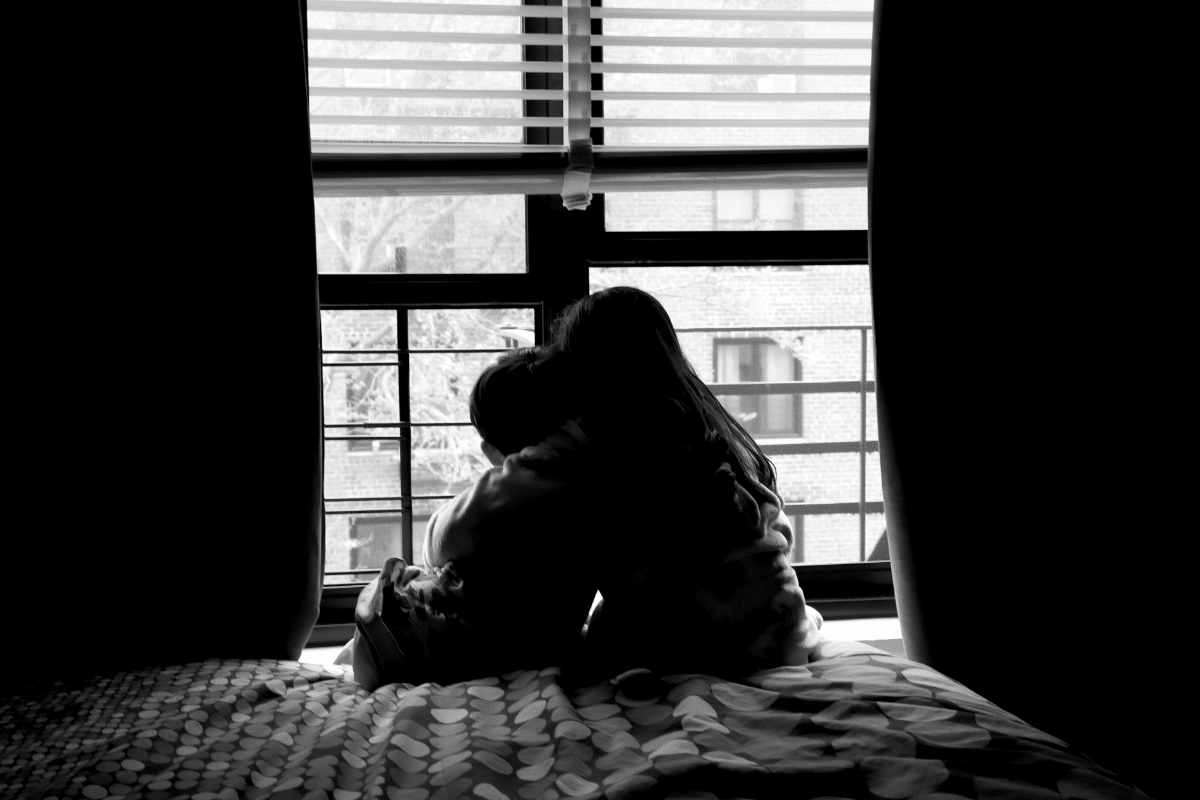
When a child develops post-traumatic stress disorder (PTSD), the effects often extend beyond the individual to reshape the emotional landscape of the entire family. PTSD symptoms such as hypervigilance, irritability, or avoidance can create instability within daily life and alter the way parents interact with each child. Siblings may not directly experience the traumatic event, yet they are exposed to its emotional consequences — the tension, unpredictability, and altered family priorities. These shifts can influence a sibling’s sense of security, attachment, and belonging, often in ways that remain unnoticed.
Why Siblings Matter?
Siblings play a vital role in family recovery but are also among those most vulnerable to secondary stress. Changes in parental attention, family routines, and emotional climate can increase their risk for behavioral and emotional difficulties. Evidence from large cohort studies shows that siblings of children with serious or life-threatening conditions have significantly higher rates of health-care use and mental health diagnoses compared with siblings in families without such conditions.
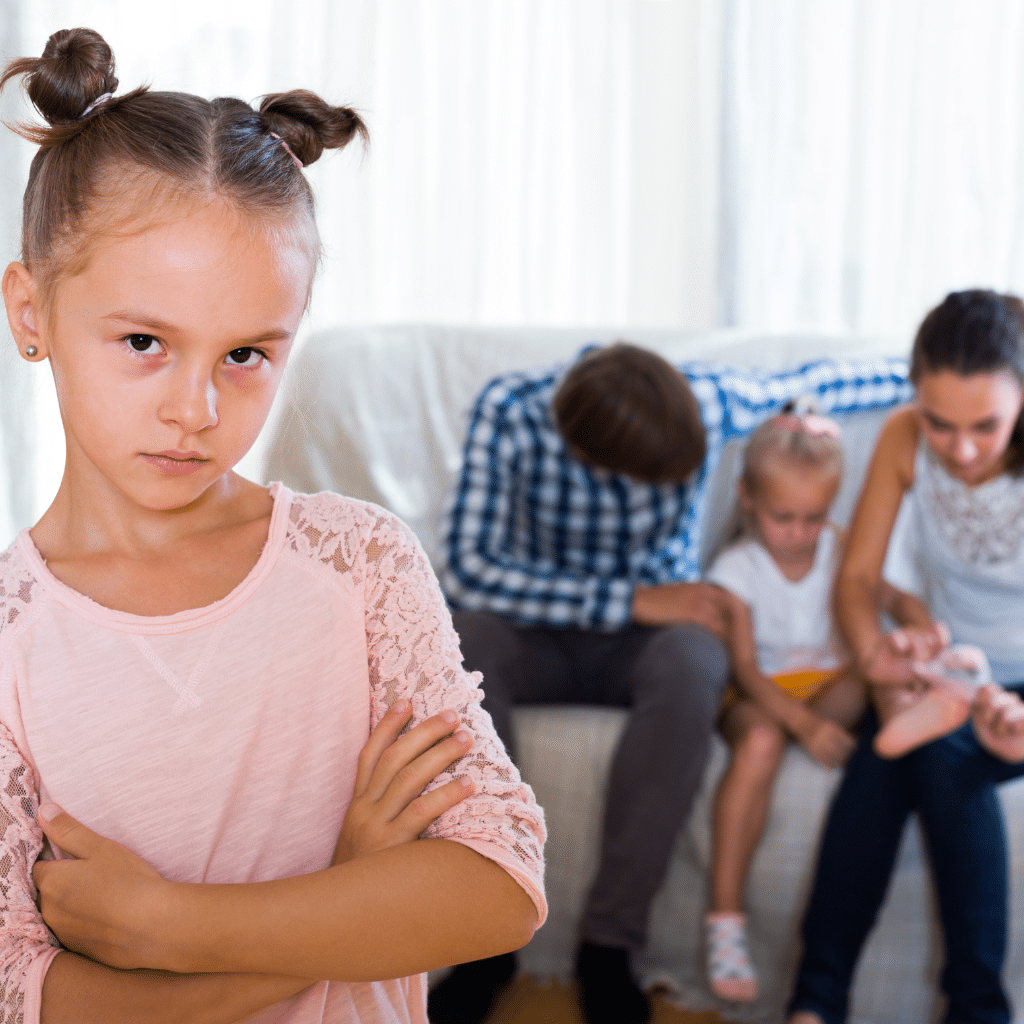
Understanding the Emotional Needs of Siblings
Here are key emotional experiences that siblings of children with PTSD may face:
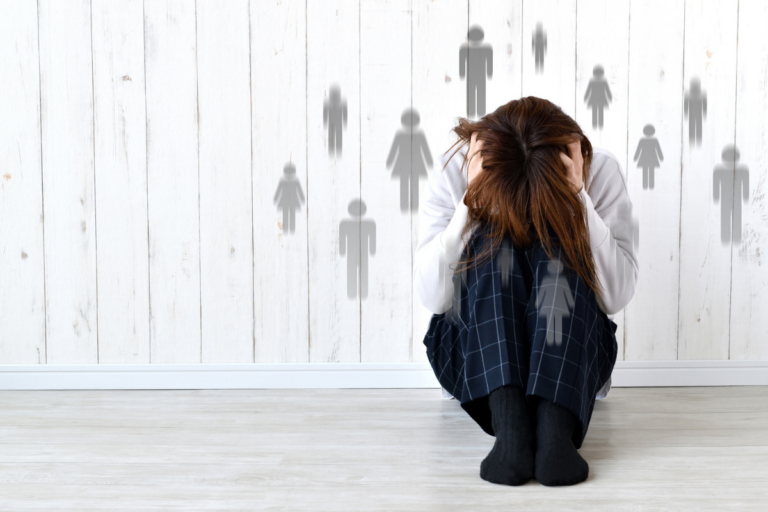
- Feeling invisible or overlooked: When much attention goes to the child with PTSD, siblings may feel their own needs are unimportant.
- Anxiety and secondary trauma: Siblings may feel worry about future events, fear of instability, or internalise the trauma by witnessing symptoms in the family.
- Guilt, loyalty and role confusion: Siblings often assume extra responsibility, feel guilty for resentments, or face confusion about their role in the family.
- Loss of childhood simplicity: The shift in family routines, increased responsibilities or unpredictability can steal the “normal” childhood experience for a sibling.
- Need for validation and personal attention: Siblings need recognition as individuals, not just as a “healthy sibling” of the child in crisis.
These needs can be quietly profound. One report noted that among siblings of children with severe conditions, up to 47% reported feeling unhappy “sometimes or a lot”.
Family Strategies to Support Siblings of PTSD Children
Here are actionable strategies for families:
- Invite siblings’ voices: Ask how the situation is affecting them; create space for their feelings of sadness, anger or confusion.
- Maintain predictable routines: Preserve as much regularity as possible (bedtime, school schedule, hobbies) for the sibling to feel secure.
- One-on-one time: Set aside time exclusively with the sibling — not in the shadow of the other child’s care.
- Provide age-appropriate information: Explain in simple terms what is happening with their sibling (e.g., “Your sibling is working through memories that are hard”) to reduce fear of the unknown.
- Facilitate external peer support: Encourage siblings to connect with peers or groups who understand similar family dynamics — social support matters.
- Validate mixed feelings: Recognise that siblings may feel love and resentment, responsibility and guilt. Normalising ambivalent emotions helps relieve pressure.
- Monitor for signs of distress: Watch for changed behavior, mood drops, school issues — siblings require support too, not just the child with PTSD.
Building a Sibling Support Plan
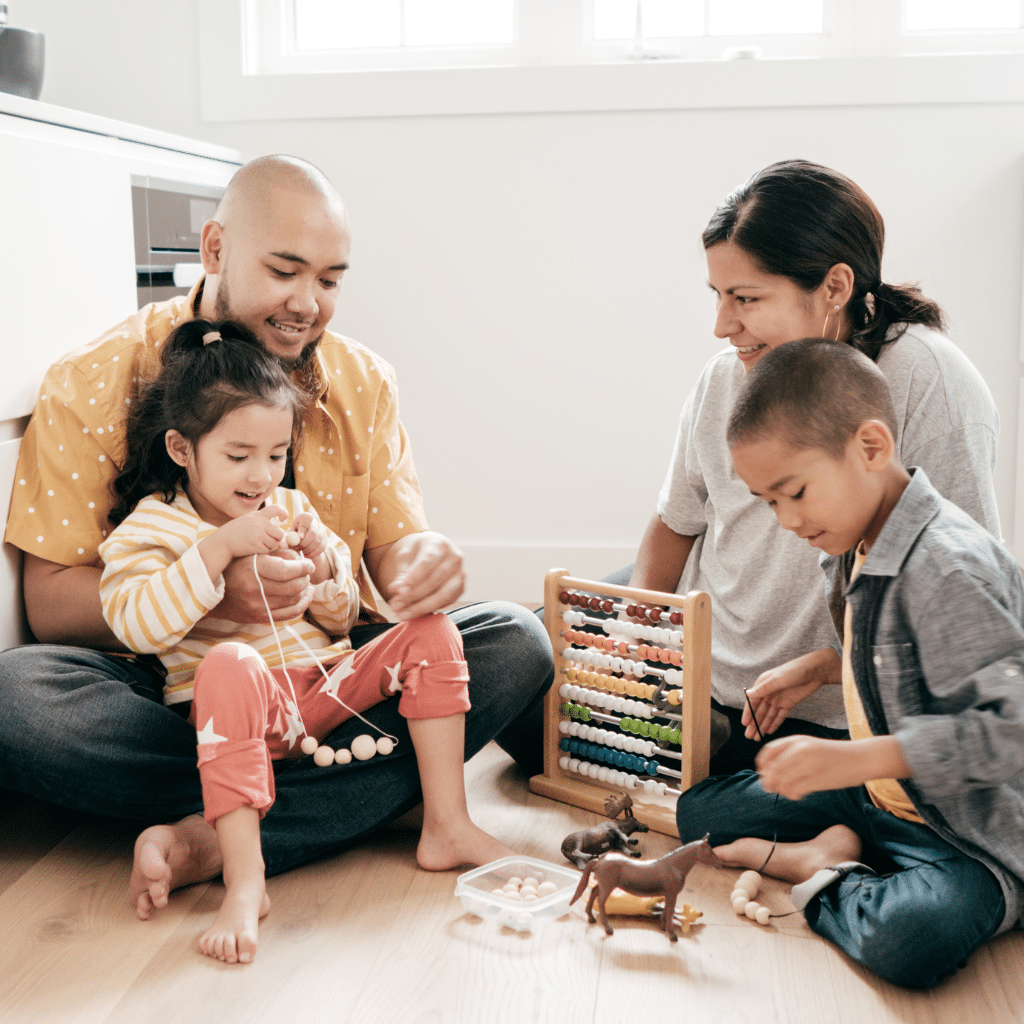
Here is a streamlined framework for families:
Step 1: Assessment
- Evaluate how the sibling feels about changes in family life, their own routines, friendships or responsibilities.
Step 2: Communication & Education
- Offer clear, simple explanations of what is going on.
- Validate their feelings: “It’s okay to feel upset”.
Step 3: Focused Attention
- Schedule individual time with the sibling.
- Keep routines consistent where possible.
Step 4: External & Professional Support
- Link the sibling to peer support or mentor.
- Seek counselling if signs of distress emerge.
Step 5: Review and Adapt
Adjust the plan as family needs evolve.
Check in regularly: “How are you doing?”
Final Thoughts
Siblings of children with PTSD carry invisible emotional weight. Acknowledging their needs, providing predictable routines, clear communication and dedicated support can make a meaningful difference. Caring for the sibling supports not just their wellbeing but strengthens the family’s capacity to heal together. If the symptoms become consistent and noticeable, seeking consultation from a child and adolescent psychiatrist can be helpful.
Frequently Asked Questions (FAQs)
1. Do siblings always develop problems when a brother or sister has PTSD?
Not always. Many siblings adapt and even develop strengths. However, a significant subset is vulnerable and benefits from support.
2. What age should siblings be involved in understanding the situation?
Age-appropriate involvement matters. As soon as a child is able to ask questions and understand simple explanations, they benefit from being included.
3. Can one parent manage support for both children?
It is possible, but ideally support is coordinated so that the sibling’s emotional needs are not overlooked while the child with PTSD is receiving care.
4. How long should these support strategies continue?
As long as the family dynamic is affected by the trauma and recovery process. Regular check-ins help determine when adjustments are needed.
Responsibly edited by AI
Other Blog Posts in

Animo Sano Psychiatry is now serving patients across multiple states. If you’d like to schedule an appointment, please contact us to get started.
Get Access to Behavioral Health Care
Let’s take your first step towards. Press the button to get started. We’ll be back to you as soon as possible.ecovery, together.