
The Role of Genes in Mental Illness: Understanding Genetic Risk in Psychiatry

Jasmine Zaman – PA-C
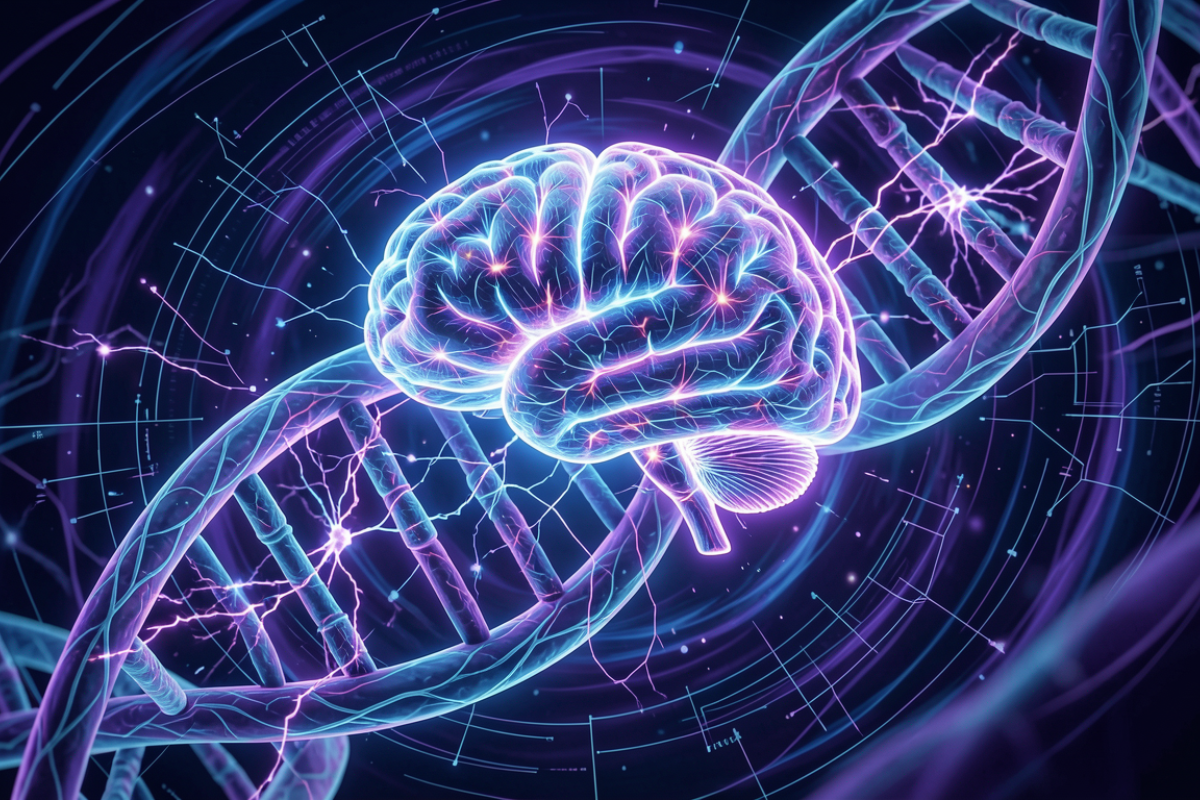
Mental illness doesn’t develop in isolation. Behind every diagnosis is a layered mix of biology, life experience, stress, and the way the brain responds to all of it. Genes are one part of that picture — and an important one. But they are not the whole story.
One of the most persistent myths is that if a parent has a psychiatric condition, a child is destined to develop it too. The science falls somewhere far more nuanced — and far more hopeful — than that.
How Genetics Influence Mental Health
Genes shape how the brain develops, how neurotransmitters like serotonin and dopamine function, and how the body responds to stress. But according to the National Institute of Mental Health (NIMH), most psychiatric conditions are polygenic — meaning many genes each contribute a small piece of risk, rather than one single gene being the cause.
This is why mental illness tends to run in families without affecting everyone in them. A person may carry certain genetic vulnerabilities, and yet whether those vulnerabilities ever become symptoms depends on separate factors: stress, trauma, physical health, and the presence of protective relationships and support.
Genetic risk is about probability, not certainty. That distinction matters enormously for anyone navigating a personal or family history of mental illness.

Heritability of Major Psychiatric Disorders
Heritability describes how much of the variation in a condition’s risk can be attributed to genetic differences within a population. It’s a population-level estimate — not a personal blueprint.
Schizophrenia
Schizophrenia has one of the strongest genetic components in psychiatry. A widely cited PMC meta-analysis estimated heritability at up to 81%, with more recent registry-based data placing it at 64–77%. TheNIMH has also highlighted a landmark 2022 study identifying 10 specific genes in which rare variants significantly raise schizophrenia risk. Even so, having a parent with schizophrenia does not determine outcome — environmental factors and early intervention still play a significant role.
Bipolar Disorder
Bipolar disorder shows similarly strong genetic contributions. A 2021 PMC review estimates heritability at 60–90%, and a large Swedish family-based study found that first-degree relatives of people with bipolar disorder face a risk up to 7.9 times higher than the general population. Research also confirms significant genetic overlap between bipolar disorder and schizophrenia — which helps explain why these two conditions can be clinically difficult to distinguish in early stages, and why misdiagnosis rates remain high for both.
Major Depression
Major depression carries a more moderate genetic load. A PMC meta-analysis places heritability at roughly 37–40%. This lower estimate compared to schizophrenia or bipolar disorder reflects how heavily depression’s expression depends on life stress, trauma, and medical history — including a close genetic overlap with anxiety disorders.
Why Environment Still Matters
Genes may increase vulnerability, but the environment shapes expression. This is the core principle of gene–environment interaction.
- Chronic stress can activate genetic vulnerabilities for anxiety and depression that might otherwise remain dormant.
- Early childhood trauma can alter how stress-response systems develop, even at the biological level.
- Protective factors — stable relationships, early treatment, strong support — can buffer inherited risk in measurable ways.
For anyone with a strong family history of mental illness, this is meaningful. Biology is not a fixed outcome. Treatment, environment, and early intervention can change the trajectory.
Can Genetic Testing Predict Mental Illness?
The short answer, as the NIMH notes, is not yet. No available genetic test can reliably predict whether a specific person will develop a psychiatric condition. Current findings explain risk at a population level, not at the individual level.
Pharmacogenomic testing — which looks at how genes influence medication metabolism — has more immediate clinical utility and is an active area of research. For most patients, though, mental health care still relies on clinical evaluation, symptom history, and individualized assessment. Genetic data is one tool in that process, not a verdict.
What This Means for Stigma

Psychiatric conditions involve brain-based processes shaped by inherited biology, developmental history, and lived experience. Understanding this shifts the conversation — mental illness is not a personal failing, and genetic vulnerability is not a life sentence.
Many people with strong family histories of conditions like bipolar disorder, depression, or OCD never develop significant symptoms. Others with no family history do. The relationship between genes and mental health is probabilistic, not deterministic — and that is worth holding onto.
Final Thoughts: Biology as a Roadmap, Not a Destination
Understanding the role of genes in mental health shifts the narrative from blame to biology, reinforcing that while our DNA provides the initial blueprint, it does not dictate our destiny. Genetic vulnerability is often a “loaded spring” that requires environmental pressure to release; however, by prioritizing early intervention, supportive relationships, and trauma-informed care, we can significantly buffer inherited risks. Ultimately, family history is simply a valuable piece of clinical data that helps in building a more personalized treatment plan.
Frequently Asked Questions (FAQs)
1. Are mental illnesses genetic?
Most psychiatric conditions have a genetic component, but none are caused by a single gene alone.
2. If a parent has a mental illness, will a child develop it?
Family history increases risk but does not guarantee development of the condition.
3. Which disorders have the strongest genetic link?
Schizophrenia and bipolar disorder show higher heritability than conditions like anxiety or depression.
4. Is genetic testing useful in psychiatry?
Currently, genetic testing cannot reliably predict whether someone will develop a mental illness.
Responsibly edited by AI


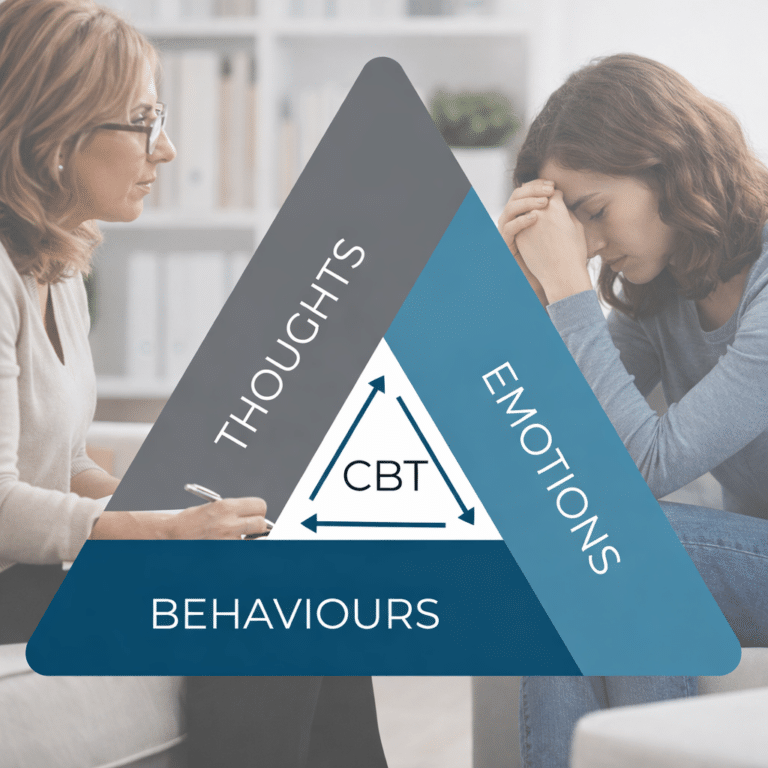
Animo Sano Psychiatry is now serving patients across multiple states. If you’d like to schedule an appointment, please contact us to get started.
Get Access to Behavioral Health Care
Let’s take your first step towards. Press the button to get started. We’ll be back to you as soon as possible.ecovery, together.