
How ADHD Impacts Executive Functioning in Children And Why the Meltdowns Happen at Home

Jordan Esperson PMHNP-BC
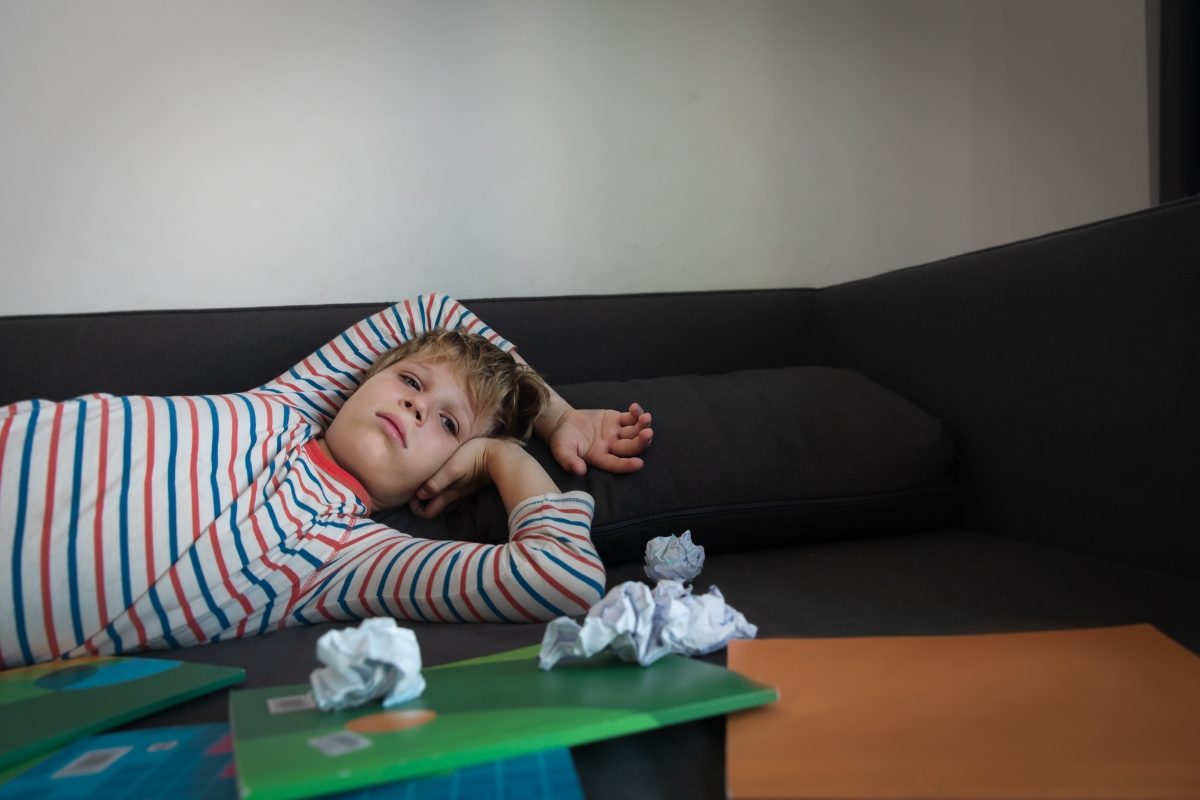
There’s a particular kind of exhaustion that comes with parenting a child who holds it together all day at school — only to completely fall apart the moment they walk through the front door. The backpack hits the floor, and so does everything else. Tears, screaming, shutting down. And somewhere in that chaos, a familiar thought creeps in: What am I doing wrong?
The answer, in most cases, is nothing. What parents are witnessing has a name — after school restraint collapse — and for children with ADHD, it isn’t a behavior problem. It’s a biology problem.
How Common Is ADHD in Children?
An estimated 7 million children aged 3 to 17 — approximately 11.4% of U.S. children — have ever been diagnosed with ADHD, according to a national survey of parents using 2022 data. That’s roughly one in nine children sitting in classrooms, working harder than most adults realize just to get through a typical school day.

What Executive Functioning Actually Means?
Executive functioning is the brain’s management system — planning, organizing, regulating emotions, and controlling impulses. For children with ADHD, this system doesn’t work the way it does in neurotypical peers. It’s not about trying harder. The brain is genuinely wired differently.
Research shows that up to 89% of children with ADHD demonstrate objectively defined impairment on at least one executive function, with working memory and inhibitory control being the most significantly affected. School demands these skills constantly, all day, without a break. These challenges can evolve over time, reflecting how ADHD across the lifespan presents itself.
The Executive Function “Tank” Runs Dry at School
Every moment of sitting still, staying focused, following instructions, and navigating social dynamics draws from the same limited neurological resource pool. Children with ADHD are working hard all day to keep up, cope with social demands, and follow classroom rules — and this can lead to an empty “fuel tank” by the end of the school day.
For children with ADHD, there is the added complexity of medication wearing off, which leads to even less ability to inhibit emotions and further depletion of cognitive resources. By 3 PM, that tank isn’t just low — it’s empty.
Why Home Is Where the Meltdown Happens?
Throughout the school day, children invest significant energy, mental effort, and emotional restraint — and this can culminate in a sudden and intense release of emotions when they finally reach the safety of their home environment.
That word — safety — is the key. Home is considered a safe place to release all emotions and built-up energy, and the child who appeared “fine all day” at school has simply been suppressing their true emotions in order to comply with expectations. This isn’t bad parenting. It’s a child trusting their parents enough to fall apart.
What NOT to Do in That First Hour Home?
When a dysregulated ADHD brain walks through the door, demands don’t regulate the nervous system — they escalate it. In that first window after school, avoid immediate homework expectations, rapid-fire questions about the day, loud environments, and any conversations that require emotional processing. The Child Mind Institute’s guide on ADHD emotional regulation is a helpful resource for understanding why this window matters so much.
The Decompression Buffer: What Actually Helps
Giving children time to relax and unwind after school before starting homework or chores, and creating a quiet, safe space, can significantly reduce the intensity of afterschool emotional releases.
Practical strategies include offering a protein-rich snack immediately, allowing 20 to 30 minutes of low-demand unstructured time, keeping the environment calm, and reconnecting physically — a hug before any conversation. Consistency with this buffer, even on hard days, makes a cumulative difference.
When to Talk to a Child’s Psychiatrist

When meltdowns are severe, persistent, or begin interfering with daily family functioning, it may be a sign of a deeper issue that warrants professional attention. A child psychiatrist can evaluate whether medication timing, dosage, or behavioral support needs adjustment — and build a plan that actually matches the child’s neurological needs. If these patterns feel familiar, consulting a child and adolescent psychiatrist is recommended.
Final Thoughts
The afterschool meltdown is not a parenting failure. It is a child with an already-taxed executive function system finally reaching a place where it feels safe to let go. Understanding that distinction changes everything — how parents respond in the moment, how they support their child’s nervous system, and how they view themselves in this process. With the right strategies and the right professional support, the witching hour after school doesn’t have to define the whole evening.
Frequently Asked Questions (FAQs)
1. What is afterschool restraint collapse in ADHD children?
It’s the emotional release that happens when ADHD children come home after suppressing stress and impulses all day at school. Home feels safe enough to let go — which is why the meltdown happens there and not in the classroom.
2. Is the child doing this deliberately?
No. It reflects genuine neurological depletion, not manipulation. The child’s executive function resources are exhausted by the time they get home, and the behavior is a stress response rather than a choice.
3. How long should the decompression period be?
For most children with ADHD, 20 to 30 minutes of low-demand, unstructured time before any expectations are introduced makes a meaningful difference.
4. When should a parent seek professional support?
When meltdowns are frequent, intensifying, or significantly affecting family life, a psychiatric evaluation can clarify whether current treatment is meeting the child’s needs.
Responsibly edited by AI
Explore More


Animo Sano Psychiatry is now serving patients across multiple states. If you’d like to schedule an appointment, please contact us to get started.
Get Access to Behavioral Health Care
Let’s take your first step towards. Press the button to get started. We’ll be back to you as soon as possible.ecovery, together.