
PTSD and Sleep: Why Rest Feels Impossible and What Can Help

Sydney Johnston, DMSc, PA-C
Key Takeaways
- Sleep problems are not just a side effect of PTSD. They are a core feature of the disorder, built into its diagnostic criteria.
- Hyperarousal keeps the nervous system on high alert, making it difficult to relax enough to fall asleep or stay asleep.
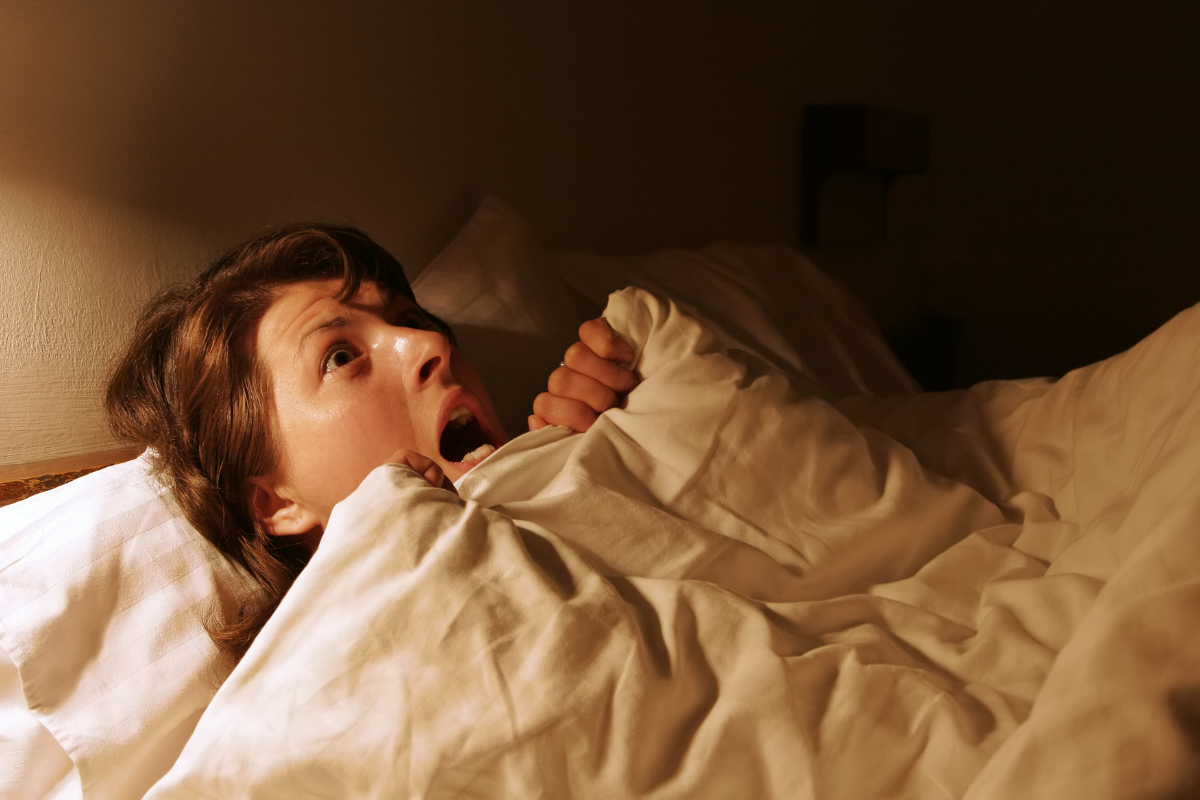
- PTSD nightmares differ from ordinary bad dreams. They can replay the traumatic event, feel intensely real, and cause physical reactions like sweating and a racing heart.
- Sleep problems often persist even after other PTSD symptoms improve with treatment, which is why sleep-specific care matters.
- Effective, evidence-based treatments exist for PTSD-related sleep problems, including Cognitive Behavioral Therapy for Insomnia (CBT-I) and Image Rehearsal Therapy (IRT).
When sleep no longer feels safe, rest can start to feel out of reach. Many people living with post-traumatic stress disorder (PTSD) describe a deep exhaustion paired with an inability to actually sleep. You may feel wired at bedtime even though your body is running on empty, or find yourself dreading the night because of what it brings.
If that sounds familiar, you are not alone. The relationship between PTSD and sleep is one of the most well-documented connections in mental health. Understanding why rest feels impossible, and what makes PTSD sleep problems different from ordinary insomnia, is an important step toward finding the right support.
Why Does PTSD Make It So Hard to Sleep?
Sleep difficulties in PTSD are not simply caused by worry or stress. They are rooted in the way trauma changes how the brain and body function, particularly around arousal and memory processing.
Hyperarousal and the Body’s Alarm System
After a traumatic experience, the nervous system can become stuck in a heightened state of alertness. This response, known as hyperarousal, is the body’s way of scanning for danger. While this reaction serves a protective function during an actual threat, it does not switch off easily once the threat has passed.
For many people with PTSD, hyperarousal continues at bedtime. The body remains tense, the mind stays vigilant, and the quiet stillness of a dark room can feel uncomfortable rather than calming. You may lie down physically exhausted but feel like every sound, shadow, or silence is pulling you back to full alertness.
Research suggests that up to 80 to 90 percent of people with PTSD report symptoms of insomnia, and 50 to 70 percent experience recurring nightmares. These are not occasional sleep disruptions. For many, they are a nightly reality.
How Disrupted REM Sleep Affects Recovery
Sleep, particularly rapid eye movement (REM) sleep, plays an important role in how the brain processes emotions and memories. During REM sleep, the brain works through the emotional weight of daily experiences, gradually reducing their intensity.
In PTSD, this process appears to break down. Research indicates that REM sleep disruptions seen in people with PTSD may reflect an inability to efficiently process fear-related memories. Instead of being processed and stored, traumatic memories may remain emotionally charged, contributing to nightmares and difficulty moving forward.
Common Sleep Problems in PTSD
PTSD can disrupt sleep in several distinct ways. Understanding each one can help you identify what you may be experiencing and communicate more clearly with a provider.
PTSD Nightmares vs. Ordinary Bad Dreams
Most people have an unpleasant dream from time to time. PTSD nightmares are different. They often replay elements of the traumatic event in vivid detail or carry the emotional intensity of the original experience. They can cause you to wake suddenly with a pounding heart, sweating, or a sense of panic that lingers long after waking.
Over time, some people begin to dread sleep itself, knowing what may be waiting. Standard sleep advice, like avoiding screens before bed, does not address the underlying trauma response driving these experiences.
Insomnia, Sleep Avoidance, and the Fear of Sleep
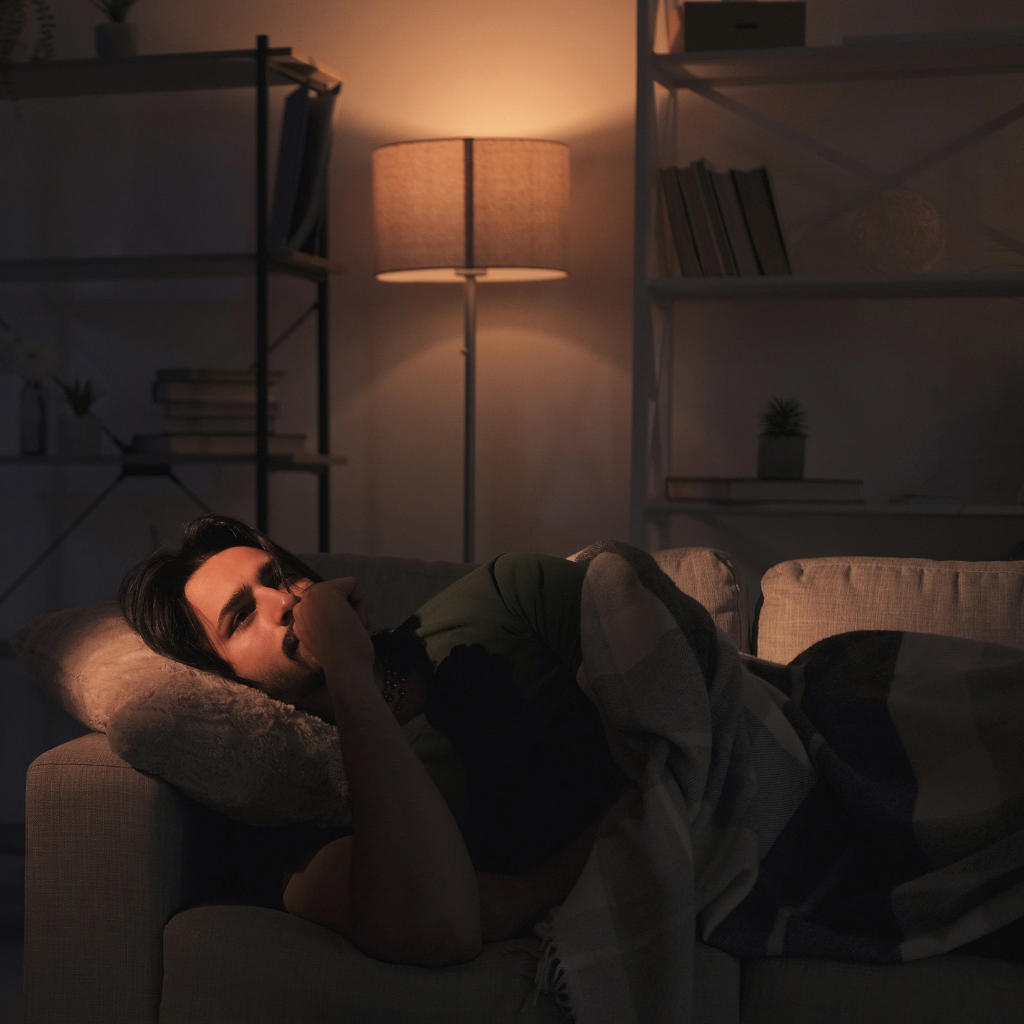
Insomnia in PTSD is more than difficulty falling asleep. Many people describe lying awake for hours feeling wired and on edge, or waking repeatedly through the night. Some begin to avoid going to bed altogether, staying up late or falling asleep on the couch with the television on because silence feels threatening.
Others may turn to alcohol or other substances to try to force sleep. While this may seem to help in the short term, it typically worsens sleep quality over time and can make PTSD symptoms harder to manage.
Sleep problems are listed twice in the DSM-5 diagnostic criteria for PTSD, as both a hyperarousal symptom and an intrusion symptom. They are not a secondary complaint. They are central to the disorder.
PTSD and Sleep Apnea
Some research suggests that obstructive sleep apnea (OSA) may occur more frequently among individuals with PTSD. OSA causes brief pauses in breathing during sleep, leading to frequent awakenings and poor sleep quality, even when you are not fully aware of waking up.
When left undiagnosed, it can worsen daytime fatigue and overall PTSD symptoms. If sleep problems persist despite other treatment, a sleep study may help identify whether OSA is a contributing factor.
The Cycle That Keeps Sleep and PTSD Connected
PTSD and sleep problems do not simply exist side by side. They feed into each other. Poor sleep reduces the brain’s ability to regulate emotions and process difficult memories, which can intensify PTSD symptoms during the day. Those worsening symptoms then make it even harder to sleep at night.
Research has shown that sleep difficulties, particularly nightmares, often do not fully resolve even after successful PTSD treatment. This does not mean nothing can be done. It means that sleep may need its own targeted treatment, rather than being treated as something that will improve on its own once PTSD is managed. When PTSD itself goes untreated, sleep problems often worsen alongside it.
Treatment for PTSD Sleep Problems
If sleep has felt out of reach for a long time, it can be hard to believe that anything will help. But several evidence-based treatments have been developed specifically for the kind of sleep disruption PTSD causes. These are not generic sleep tips. They are structured approaches designed to address the patterns that keep sleep broken.
Cognitive Behavioral Therapy for Insomnia (CBT-I)
CBT-I is widely considered the first-line treatment for insomnia, including insomnia related to PTSD. It is a short-term, structured therapy that works by changing the thoughts and behaviors that maintain sleep problems. Core techniques include:
- Stimulus control to strengthen the association between your bed and sleep
- Sleep restriction to temporarily limit time in bed and build sleep drive
- Cognitive restructuring to address beliefs about sleep that increase anxiety
CBT-I does not rely on medication and has been shown to produce lasting improvements. It is typically delivered over four to eight sessions.
Image Rehearsal Therapy (IRT)
IRT specifically targets nightmares. During treatment, you work with a therapist to recall a recurring nightmare, then rewrite the narrative into a less distressing version. You rehearse this new version regularly while awake, which over time can reduce both the frequency and intensity of PTSD nightmares.
Medication
In some cases, medication may be considered as part of a treatment plan for PTSD-related sleep problems. Any medication decisions should be made in close consultation with a prescribing provider who understands your full clinical picture.
Supporting Someone With PTSD-Related Sleep Difficulties

If someone close to you is living with PTSD, their sleep difficulties may affect you too. Nightmares can involve physical movement or sudden waking that disrupts a bed partner’s rest, and the emotional weight of witnessing that struggle can take a toll. Patience and open communication matter. Encouraging your loved one to seek professional support is one of the most helpful things you can do.
Final Thoughts
PTSD-related sleep problems are not something you need to push through alone, and they are not a sign that treatment is not working. Sleep difficulties in PTSD have their own mechanisms, and they often need their own targeted care.
If sleep has been a persistent struggle, speaking with a psychiatrist who specializes in trauma and PTSD can help you find the right path forward. Animo Sano Psychiatry is here if you would like to take that step.
Frequently Asked Questions (FAQs)
1. Can improving sleep help reduce other PTSD symptoms?
Research suggests that treating sleep problems directly can have a positive effect on overall PTSD outcomes. Because sleep plays a role in emotional regulation and memory processing, better sleep may support broader recovery.
2. Does PTSD insomnia go away on its own?
For some people, sleep problems improve over time, particularly with treatment. However, PTSD-related insomnia does not always resolve without targeted intervention. If sleep difficulties are ongoing, speaking with a provider about sleep-specific treatment is a worthwhile step.
3. Is it normal to be afraid of going to sleep after trauma?
Yes. Many people with PTSD develop a fear of sleep, sometimes called sleep avoidance. This can stem from anticipating nightmares, feeling unsafe in the dark, or struggling with the loss of control that comes with falling asleep. This is a recognized part of how PTSD affects sleep, and it is something treatment can address.
Responsibly edited by AI
Other Blog Posts in

Animo Sano Psychiatry is now serving patients across multiple states. If you’d like to schedule an appointment, please contact us to get started.
Get Access to Behavioral Health Care
Let’s take your first step towards. Press the button to get started. We’ll be back to you as soon as possible.ecovery, together.