
OCD vs. Autism: Similarities, Differences, and Overlaps

Maddison Henley, PA-C, CAQ-PSY
Key Takeaways
- OCD and autism are distinct conditions with different causes, diagnostic criteria, and treatments
- OCD is not on the autism spectrum, and autism is not a form of OCD
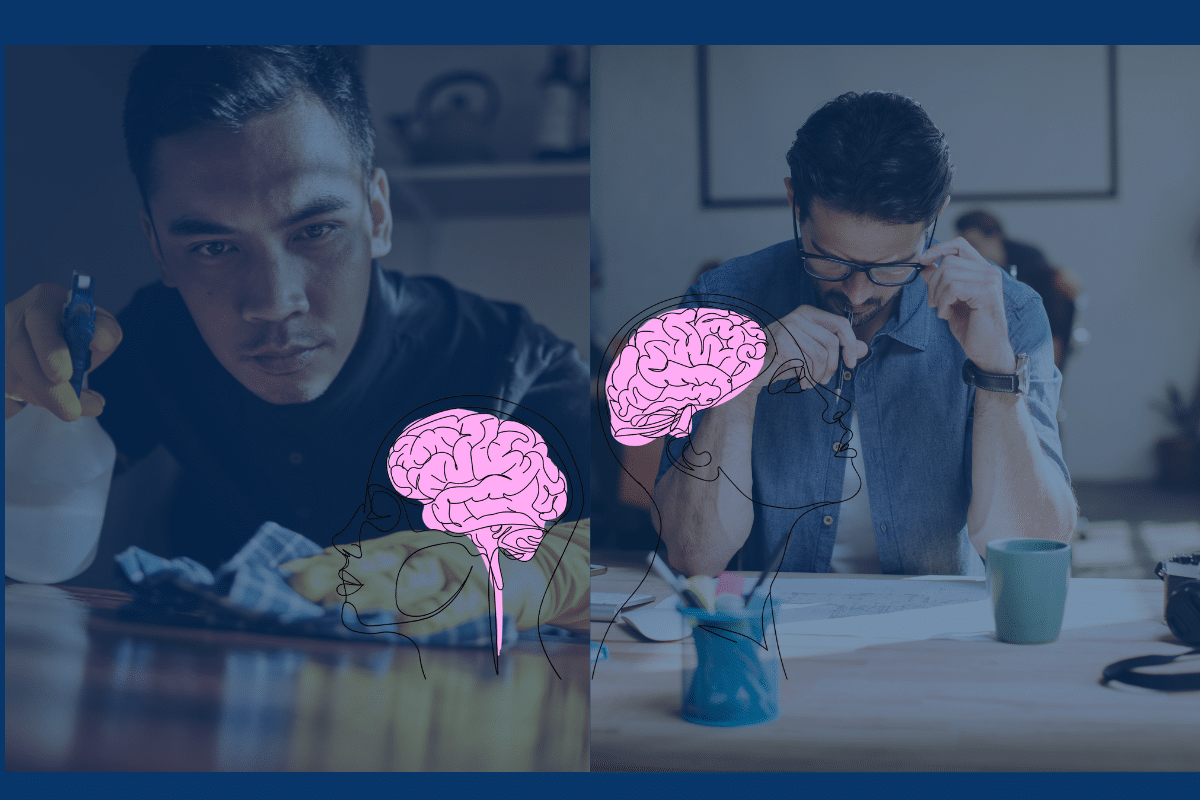
- The primary difference lies in the function and internal experience of behaviors, not just their appearance
- OCD involves distress-driven compulsions linked to intrusive thoughts
- Autistic repetitive behaviors are typically regulatory, comforting, or preference-based
- Both conditions can co-occur, requiring careful evaluation to distinguish autistic traits from OCD symptoms
- Misdiagnosis happens when clinicians observe behavior without understanding its function
- Treatment effectiveness depends on accurate diagnosis—ERP works for OCD but may be inappropriate for autistic regulatory behaviors
- Professional evaluation should assess both conditions and consider comorbidity
Obsessive-compulsive disorder (OCD) and autism spectrum disorder (ASD) are not the same condition. OCD is not on the autism spectrum, and autism is not a form of OCD. They are distinct diagnoses with different underlying mechanisms, diagnostic criteria, and treatment approaches.
However, they can share surface-level similarities in behavior, and they can co-occur in the same person. This overlap can sometimes create confusion during evaluation, particularly when repetitive behaviors or rigid routines appear prominent. Understanding the distinction matters because accurate diagnosis determines which treatment approach will be effective. This article clarifies what separates these conditions, where they overlap, and how clinicians differentiate them in practice.
OCD vs. Autism: A Brief Overview
Obsessive-compulsive disorder involves intrusive, unwanted thoughts that create significant anxiety. These thoughts are ego-dystonic, meaning they feel inconsistent with the person’s values or identity. To reduce distress, the individual performs compulsions. These behaviors are negatively reinforced. Each time the ritual reduces anxiety, the brain learns that the behavior prevented harm, strengthening the cycle.
Autism spectrum disorder is present from early development and reflects differences in how the brain processes social information and sensory input. Repetitive behaviors and routines are common, but they are typically regulatory rather than fear-driven. These behaviors are ego-syntonic, meaning they feel natural, comfortable, and aligned with your sense of self. Rather than neutralizing imagined danger, they stabilize the nervous system and reduce the cognitive load of sensory unpredictability.
This difference in reinforcement mechanism is central to the comparison of OCD vs autism.
Similarities Between OCD and Autism
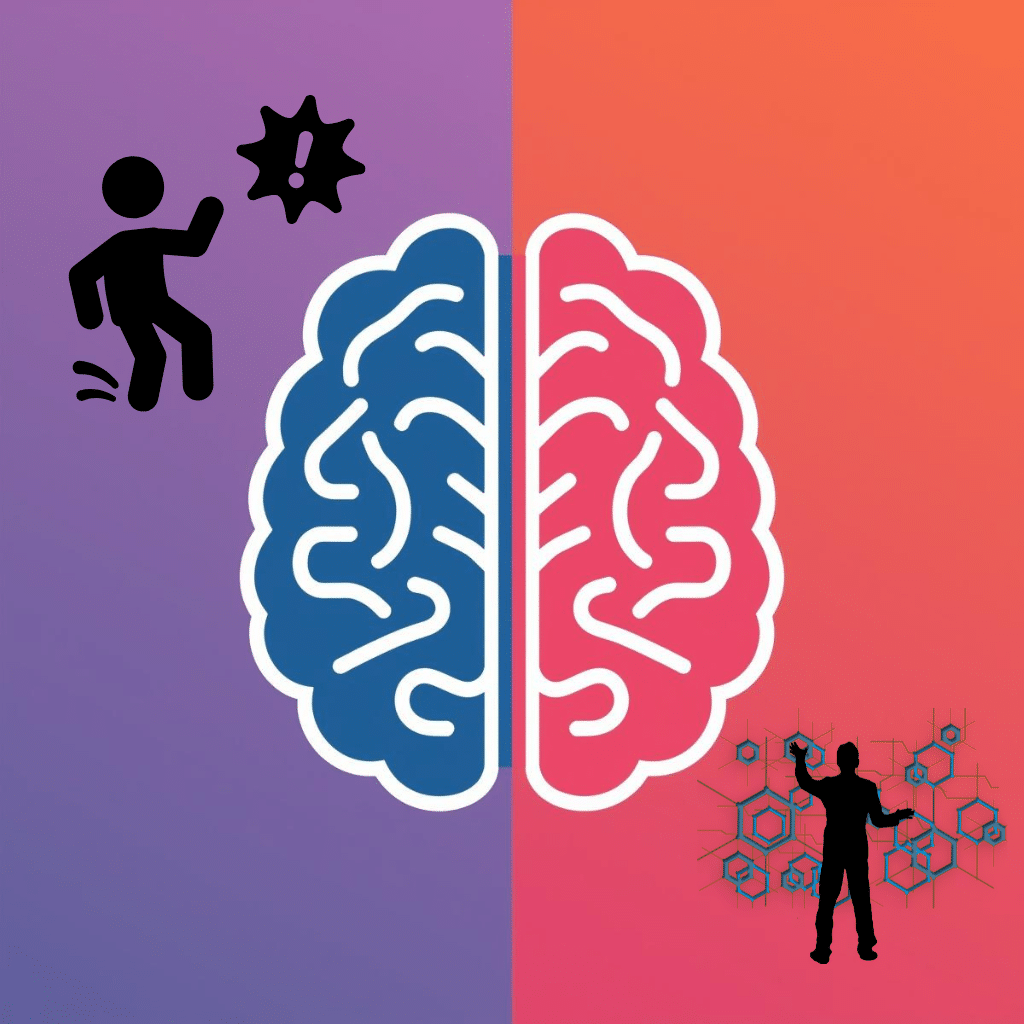
From an external perspective, OCD and autism can appear similar because both may involve behaviors that look rigid, repetitive, or inflexible.
Both conditions can involve:
- Rigid routines: Following specific sequences or patterns with distress when routines are disrupted
- Repetitive actions: Hand movements, checking behaviors, or repeated phrases
- Difficulty with change: Distress or discomfort when routines or environments shift unexpectedly
- Intense focus: Sustained attention on specific topics, themes, or concerns
- Elevated anxiety: Though the source and role of anxiety differ between conditions
The behavior may look identical from outside observation, but the internal experience and function of that behavior are fundamentally different.
The most reliable way to distinguish OCD from autism is to examine function, thought patterns, and developmental history.
In OCD, repetitive behaviors are performed to prevent feared consequences. You often recognize that the fear is excessive, yet feel compelled to act. The ritual temporarily reduces distress, reinforcing the cycle.
In autism, repetitive behaviors are typically not performed to prevent harm. They may provide sensory satisfaction, predictability, or emotional regulation. The behavior itself is often experienced as stabilizing.
Another critical difference involves thought content. OCD involves intrusive, unwanted thoughts that are distressing. Autism may involve intense interests or focused topics, but these are usually experienced as engaging or meaningful rather than threatening.
Social communication patterns also differentiate the two. Autism includes persistent differences in interpreting facial expressions, tone, and implicit social rules. OCD does not inherently involve these communication differences.
Developmental timing matters. Autism traits are present early in life, even if they are recognized later. OCD often emerges later in childhood, adolescence, or adulthood, sometimes after stressors.
A Structured Comparison
| Feature | OCD | Autism |
| Core Mechanism | Anxiety disorder involving intrusive thoughts and compulsions | Neurodevelopmental condition affecting social communication and behavior patterns |
| Nature of Repetitive Behavior | Compulsions performed to reduce distress from intrusive fears | Routines and repetitive actions that regulate sensory input or create predictability |
| Emotional Experience | Behaviors feel unwanted and distressing (ego-dystonic) | Behaviors and interests often feel stabilizing or natural (ego-syntonic) |
| Thought Patterns | Intrusive, unwanted thoughts that provoke anxiety | Intense interests or focused topics that are typically engaging rather than distressing |
| Social Communication | Typically intact; any social withdrawal is secondary to anxiety or avoidance | Persistent differences in social reciprocity, interpreting nonverbal cues, and understanding implicit social rules |
| Developmental Pattern | Often emerges in late childhood, adolescence, or early adulthood | Present from early development, typically observable before age three |
| Function of Behavior | Prevent feared outcomes or neutralize anxiety | Provide comfort, sensory regulation, or organizational structure |
When OCD and Autism Overlap
It is possible to have both OCD and autism. A systematic review found that approximately 17% of individuals with autism spectrum disorder also meet criteria for obsessive-compulsive disorder, compared to about 1–2% in the general population. This higher rate highlights the importance of careful differential diagnosis when symptoms overlap.
When both conditions are present, some behaviors may serve autistic regulatory functions while others are compulsions driven by obsessive fears. For example, you might arrange objects for visual satisfaction and predictability (autism-related) while also performing checking rituals to prevent harm from intrusive thoughts (OCD-related). The same person, two different functions, requiring different treatment approaches.
Treatment implications for comorbidity:
- Exposure and Response Prevention (ERP) effectively targets OCD compulsions by gradually reducing avoidance and ritual behavior
- However, if a behavior serves a regulatory function related to autism, attempting to eliminate it through ERP may be inappropriate and distressing
- Treatment planning requires identifying which behaviors stem from which condition
- Some accommodations for autistic needs may be necessary while treating OCD symptoms
Why Misdiagnosis Happens: Common Scenarios
Misdiagnosis occurs because external behaviors can look identical even when internal experiences differ fundamentally.
The hand-washing confusion: An autistic person might wash hands repeatedly for sensory reasons (the feeling of clean hands, the water temperature, the routine itself). A person with OCD washes hands to neutralize contamination fears from intrusive thoughts. The behavior looks the same, but one is regulatory and the other is anxiety-driven.
The routine rigidity mix-up: An autistic person follows a morning sequence because deviation feels disorienting or uncomfortable. A person with OCD performs a morning ritual to prevent intrusive thoughts or feared outcomes. Both resist change, but the underlying mechanism differs.
The special interest vs. obsession: An autistic person may research a topic extensively because it’s engaging and satisfying. A person with OCD may ruminate on a theme because intrusive thoughts demand resolution. Both involve sustained focus, but one brings pleasure while the other brings distress.
Comprehensive evaluation examines not just what you do but why you do it, how you experience it, and when it started.
How Clinicians Differentiate OCD from Autism
Professional assessment goes beyond observing behavior to understand function, history, and internal experience.
Assessment typically includes:
- Clinical interview: Exploring the subjective experience of behaviors, presence of intrusive thoughts, developmental history, and functional impact
- Standardized tools: Measures specific to each condition that assess different dimensions
- Developmental history: Determining when symptoms first appeared and how they’ve evolved
- Functional analysis: Understanding what happens before, during, and after behaviors
For OCD, assessment tools measure:
- Presence and content of obsessions
- Types of compulsions performed
- Time spent on rituals
- Level of insight and resistance
- Functional impairment from symptoms
For autism, assessment tools measure:
- Social communication patterns across contexts
- Presence and function of repetitive behaviors
- Sensory processing differences
- Developmental history of social and communication milestones
- Restricted interests and their role
Clinicians experienced in both conditions understand that anxiety can complicate autism assessment and that autistic traits can create false positives on OCD measures. This is why comprehensive evaluation considers both possibilities and examines comorbidity.
Treatment Approaches and When They Apply
Understanding which condition you have determines which treatment will be effective.
For OCD:
- Exposure and Response Prevention (ERP) is the gold standard behavioral treatment
- ERP works by gradually exposing you to anxiety triggers while preventing compulsions
- This breaks the cycle of temporary relief that maintains OCD
- Medication (typically SSRIs) can reduce obsession intensity
ERP for OCD follows a structured, evidence-based protocol that is best delivered by a clinician trained in this approach
For autism:
- Treatment focuses on building skills, providing accommodations, and supporting regulation
- Repetitive behaviors that serve regulatory functions are typically not targeted for elimination
- Support addresses social communication, sensory needs, and environmental modifications
- Therapy helps develop coping strategies for anxiety related to autistic experiences
For comorbid OCD and autism:
- ERP can address OCD compulsions while respecting autistic regulatory needs
- Treatment planning distinguishes which behaviors to target and which to accommodate
- Modifications may be needed to standard ERP approaches
- Sensory considerations and communication differences inform treatment delivery
Treating OCD when the behaviors are actually autistic can be harmful and ineffective. Similarly, providing only autism support when OCD is present leaves anxiety-driven compulsions unaddressed.
When to Seek Professional Evaluation

Professional evaluation may be appropriate when behaviors cause significant distress, interfere with learning or work, or create ongoing social challenges.
Assessment typically includes developmental history, behavioral observation, and structured interviews. In complex cases where OCD and autism overlap, clinicians differentiate based on internal experience and reinforcement patterns.
Clarifying the diagnosis allows treatment to address the appropriate mechanisms. For example, evidence-based OCD treatment such as exposure and response prevention targets anxiety-driven compulsions, while autism support focuses on communication, regulation, and environmental structure. Accurate identification reduces the risk of ineffective intervention.
Final Thoughts
Distinguishing OCD from autism is not always straightforward, but it is essential for accessing the right treatment. These conditions require different therapeutic approaches, and recognizing which symptoms belong to which condition shapes the path toward effective care.
If patterns in this article resonate with you, the next step is a comprehensive evaluation from clinicians experienced in both conditions. Accurate diagnosis provides clarity that self-assessment cannot. Whether you receive a diagnosis of OCD, autism, both, or neither, understanding why behaviors occur matters more than what they look like.
Frequently Asked Questions (FAQs)
1. Is OCD a form of autism?
No. OCD is an anxiety-related disorder involving intrusive thoughts and compulsions, while autism is a neurodevelopmental condition affecting communication, behavior, and sensory processing.
2. Can you have both OCD and autism?
Yes. Some individuals meet criteria for both conditions, which requires careful evaluation to determine how symptoms interact and which treatments are appropriate.
3. Is OCD on the autism spectrum?
No. OCD is not part of the autism spectrum, though research shows higher rates of OCD in autistic individuals compared to the general population.
4. Can autism be mistaken for OCD?
Yes. Repetitive behaviors and rigid routines can look similar in both conditions, which is why clinicians assess the function and emotional experience behind the behavior.
5. Does OCD look different in autistic individuals?
It can. OCD in autistic individuals may blend with existing routines or rigidity, making it harder to distinguish anxiety-driven compulsions from regulatory behaviors.
Responsibly edited by AI



Animo Sano Psychiatry is now serving patients across multiple states. If you’d like to schedule an appointment, please contact us to get started.
Get Access to Behavioral Health Care
Let’s take your first step towards. Press the button to get started. We’ll be back to you as soon as possible.ecovery, together.