
Morning Anxiety vs. Evening Anxiety: Why They Feel Different

Jasmine Zaman – PA-C
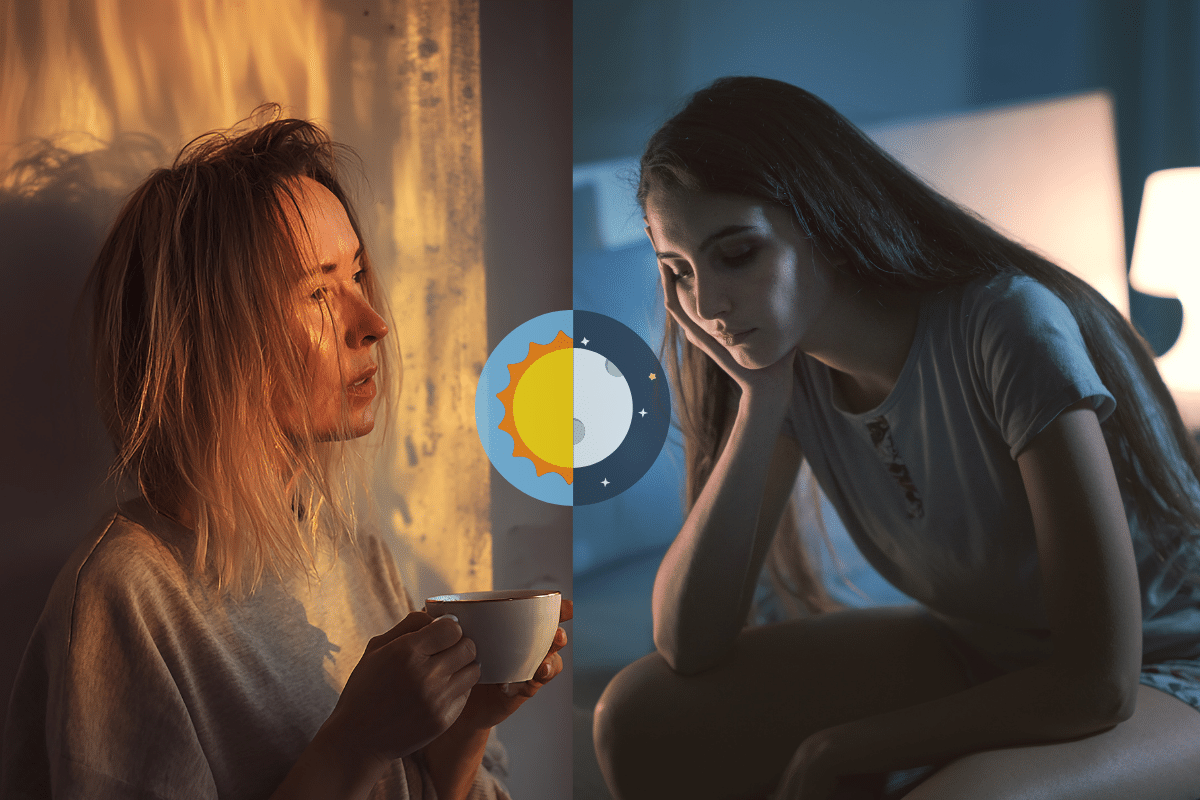
Most people think of anxiety as a steady experience — a background hum or occasional wave. But for many, anxiety isn’t constant. Sometimes it rises sharply in the morning, sometimes it builds toward evening. The time-of-day makes a big difference. Understanding why anxiety can feel very different in the morning versus the evening — and what each pattern may mean — helps bring clarity and self-compassion.
What Do We Mean By “Morning Anxiety” And “Evening Anxiety”?
- Morning Anxiety: A sense of dread, tension or panic that appears soon after waking — sometimes before the day even starts. It may include racing thoughts, physical tension, restlessness, or a feeling of being “on edge.”
- Evening Anxiety: Worry, restlessness, or emotional reactivity that grows as the day ends — in the quiet hours when activity slows, but worries or memories gain space. Sleep may feel elusive, thoughts may loop, and tension may build.
Because biology, environment, and daily stressors shift over the day, the same person may experience both — or different people develop distinct patterns depending on habits, life rhythm, or brain-body sensitivity.
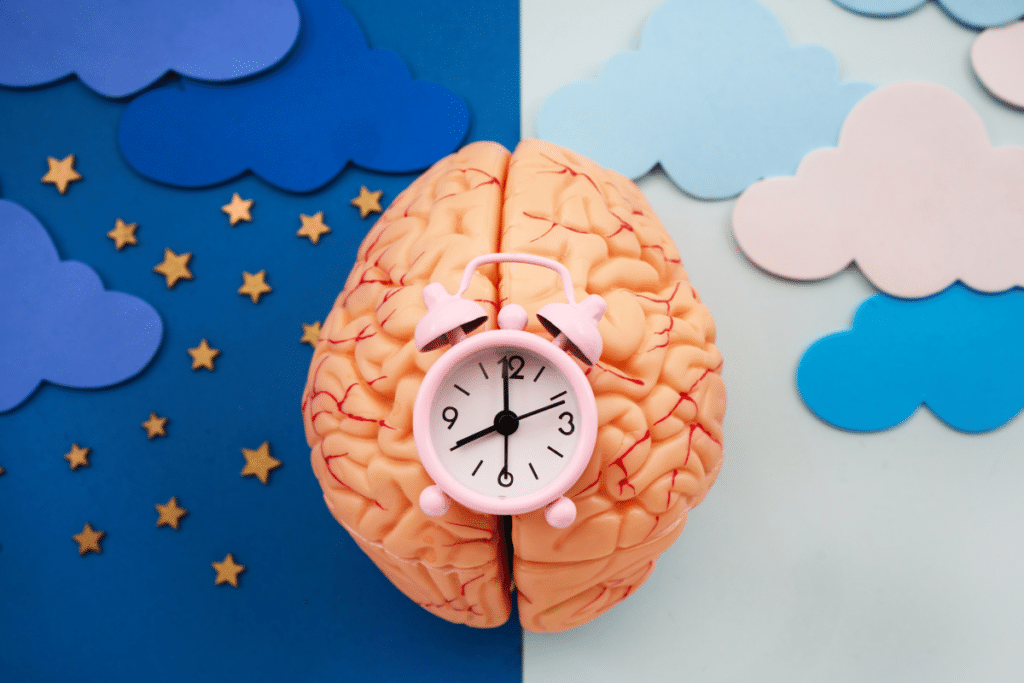
Why Can Anxiety Feel Worse In The Morning?
Cortisol Awakening And Stress-Hormone Surge
1. Stress-Hormone Activation Just After Waking
The body naturally releases a cortisol surge on waking — a “wake-up” boost meant to prepare for the day. For someone prone to anxiety, that surge can trigger physical and emotional tension rather than calm. This phenomenon is described in clinical and patient-education literature about morning anxiety.
2. Sleep Disruption Leaving The System Reactive
Restless or low quality sleep, frequent awakenings, or early morning stress can leave the nervous system primed and vulnerable — producing anxiety as soon as the day begins. Research links insomnia and disrupted sleep with heightened morning anxiety and mood disorders.
3. Anticipatory Stress About The Day Ahead
The morning often brings tasks, deadlines, social interactions — an internal forecast of pressure. The brain may begin anticipating threats early, leading to anxiety even before the day’s first event.
Why May Anxiety Intensify In The Evening?
1. Quiet And Fewer Distractions = Space For Worries
During daytime, tasks, work, and social interaction keep the mind busy. But evening quiet gives mental space — triggers, past fears, unresolved feelings, or internal doubt may emerge, and anxiety finds space to grow.
2. Accumulated Stress And Fatigue
As the day progresses, stressors accumulate — deadlines, social friction, emotional strain, and sensory overload can exhaust coping resources. By evening, emotional energy may be depleted, making anxiety easier to trigger.
3. Biological Rhythm And Circadian Influences
For some, biological cycles cause arousal or restlessness in the evening. Sleep debt, fluctuating melatonin, or hormonal shifts may intensify internal tension, making nighttime anxiety more likely.
4. Fear Of Sleeplessness And Rumination Before Bed
As night approaches, thoughts about tomorrow, unresolved problems, or memories can rise. The quiet and fading light makes worries feel louder, sleep feels uncertain, and anxiety feeds on the unknown.
What These Patterns Suggest — Morning Vs Evening Anxiety
| When Anxiety Appears | What Often Triggers It | Common Experiences |
| Morning | Cortisol surge, poor sleep, anticipatory fear about daily demands | Restlessness on waking, dread, racing thoughts, difficulty starting day |
| Evening | Accumulated stress, lack of distraction, fatigue, bedtime triggers | Rumination, insomnia, irritability, restlessness, tension, emotional overwhelm |
Some people experience both patterns — mild tension in the morning that worsens by night. Others notice one consistent pattern. Recognizing when anxiety strikes helps in tailoring coping strategies.
What Helps: Supportive Approaches For Time-Of-Day Anxiety
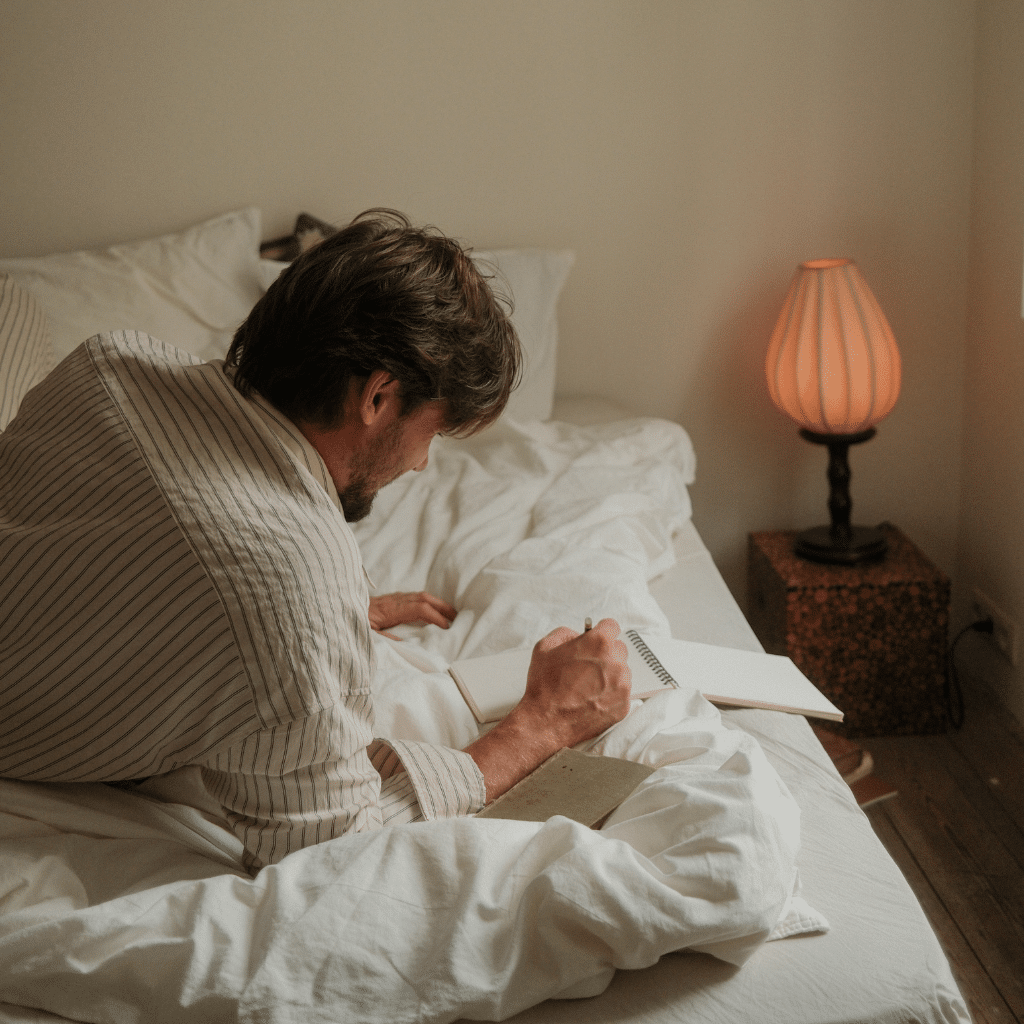
- Cultivate Sleep Hygiene And Calm Pre-Sleep Rituals: regular bedtime, gentle wind-down routines, limiting screen time before bed — these help reduce the risk of both morning and evening anxiety.
- Morning Grounding Routine: instead of rushing, try gentle breathing, stretching, or a quiet start that avoids immediate demands or overwhelming information.
- Midday or Afternoon Reset: light movement, hydration, brief breaks, balanced meals — to reduce stress accumulation.
- Evening Wind-Down Practices: calming activities, journaling, or mindfulness to release the day’s emotional load and avoid late-night rumination.
- Therapeutic Support When Needed: talk therapy, or mindfulness-based approaches can help address patterns of worry, fear, and emotional reactivity.
Final Thoughts
Anxiety doesn’t always hit at obvious moments. Sometimes it waits — for dawn, when cortisol rises; or dusk, when the world quiets and the mind stirs. Recognizing whether anxiety tends to come with the sunrise or the sunset is not about labeling oneself; it’s about understanding the body and mind’s rhythm.
With kindness toward that rhythm — through sleep care, gentle grounding, and emotional support — it’s possible to soften the tension. Anxiety may not vanish entirely, but it can become more manageable. Night doesn’t have to end in dread, and mornings don’t have to begin with fear.
Frequently Asked Questions (FAQs)
1. Is morning anxiety a sign of a serious disorder?
Not always. Morning worry may arise from temporary stress, disrupted sleep, or anticipation. However, if it recurs and interferes with daily life — affecting sleep, work, or mood — seeking support is reasonable.
2. Can evening anxiety worsen long-term if untreated?
Yes — persistent evening anxiety can lead to chronic sleep problems, mood disturbances, and further stress. Over time, small worries can accumulate into heavy emotional burden.
3. Does anxiety timing reflect personality or biological rhythm?
Both — individual differences in sensitivity, coping, daily rhythm (chronotype), and life stress all influence whether anxiety appears in morning or evening.
4. Can simple routines really help manage time-of-day anxiety?
Yes. Stabilizing sleep, creating calming rituals, movement, and mindful practices help regulate the nervous system — and reduce the brain’s tendency to treat every morning or evening like a threat.
Responsibly edited by AI



Animo Sano Psychiatry is now serving patients across multiple states. If you’d like to schedule an appointment, please contact us to get started.
Get Access to Behavioral Health Care
Let’s take your first step towards. Press the button to get started. We’ll be back to you as soon as possible.ecovery, together.