
Welcome to Animo Sano Psychiatry
Your partner in mental health. Online and in-person psychiatry services covered by insurance.


Accepted Insurance Plans
Looking for self-pay options?






*Coverage varies by plan and state. Send your insurance information to our billing team at VOB@animosanopsychiatry.com with your name and DOB to confirm eligibility.
Who We Are
At Animo Sano Psychiatry, your mental health is our top priority. We are dedicated to providing high-quality and accessible behavioral health care. “Animo Sano,” meaning “Healthy Mind,” reflects our commitment to supporting your mental health journey through our accessible, collaborative, and responsive approach to care. We believe in the power of compassionate and collaborative care and are here to support you on your path to a healthier mind.
Our Numbers speak for themselves

4.8 out of 5 Stars Google Review Score

8 States

40+ Behavioral
Health Providers

4800+ Monthly
Patient Visits
Our Behavioral Health Services
Explore our range of telepsychiatry services designed for your mental well-being. From medication management to specialized therapy options, we are equipped to handle a variety of behavioral health conditions.
Medication Management
Psychotherapy
ADHD Speciality Clinic
TMS (Transcranial Magnetic Stimulation)
Child and Adolescent Psychiatry
15 Minute No Cost Meet & Greet
ScriptFinder
Women’s Behavioral Health
Long-Acting Injectables (LAIs)
Our Approach to Substance Use Disorders
At Animo Sano Psychiatry, we provide compassionate care for substance use disorders. However, We Do Not offer medication-assisted treatment (MAT) for opioid use disorders, such as buprenorphine (Suboxone) or methadone.
If you’re seeking MAT, we recommend consulting specialized providers. Our team is happy to help connect you with the right resources for support.
Explore the Behavioral Health Conditions We Treat
Learn more about the variety of behavioral health conditions we are currently treating. Our services include specialized care for ADHD through our dedicated specialty ADHD clinic, as well as effective treatment options for Anxiety, Depression, Trauma and PTSD, OCD, Bipolar Disorder, and more. Learn more about how we can support your journey to mental wellness.
ADHD
Anxiety
Depression
Trauma and PTSD
OCD
Sleep Disorders
Bipolar Disorder
Psychiatry vs. Therapy
Not sure if you need a psychiatrist or a therapist?
These two fields play crucial roles in addressing mental health concerns, each offering unique approaches to promote well-being.

Psychiatry
Psychiatry takes a medical approach, focusing on diagnosing, treating, and preventing mental illnesses, often incorporating medication management.

Therapy
Therapy, also known as counseling or psychotherapy, involves talk-based interventions aimed at addressing emotional difficulties and fostering personal growth.

Our Dedicated Team of Mental Health Providers
Meet the dedicated providers who will be guiding you through your psychiatry and behavioral health treatment. Each provider is committed to meeting you where you are and brings a unique set of skills and a deep understanding of mental health to ensure personalized treatment plans that meet your specific needs. Trust in our expertise to support you in achieving better mental health outcomes.
-

Mina Boazak
Dr. Mina Boazak, MD, is a dedicated psychiatrist and researcher with a passion for behavioral health care. With expertise in ADHD, Anxiety, Mood Disorders and a strong understanding of public health policy, Mina is passionate about expanding access to care and addressing issues of interoperability in healthcare technology. As the founder of Animo Sano Psychiatry, Mina aims to provide personalized, comprehensive care for his patients, ensuring they receive the support and treatment they need to thrive.
Mina’s approach focuses on the individual and their unique story, striving to help patients achieve their goals and passions. Driven by the belief that a healthy mind is key to overall wellness, Mina and his team at Animo Sano Psychiatry are committed to creating a supportive and empathetic environment for their patients. Mina’s dedication to mental health advocacy and his holistic approach to care make him a valuable asset in the field, honored to assist individuals on their journey towards wellness.
-

Maddison Henley
Maddison Henley, PA-C, CAQ-PSY, is a compassionate and dedicated Physician Assistant, with a profound commitment to mental health care. Having earned her Bachelor’s degree and completed her Physician Assistant studies at Mercer University in 2021, Maddison embarked on her journey in outpatient behavioral health care, where she has been making a meaningful impact since.
With a focus on ADHD, Women’s Issues, and Obsessive-Compulsive Disorder (OCD), Maddison’s expertise lies in providing holistic and empathetic care to her patients. She approaches each patient with the utmost dedication, ensuring they feel heard, understood, and supported throughout their treatment journey. Her vibrant spirit and unwavering commitment to mental health advocacy make her a valuable asset in her field, dedicated to helping individuals achieve holistic well-being and lead fulfilling lives.
Outside of her professional life, Maddison cherishes the moments she spends with her family. When she’s not attending to her patients or spending quality time with her family, she enjoys catching up with friends and traveling.
-
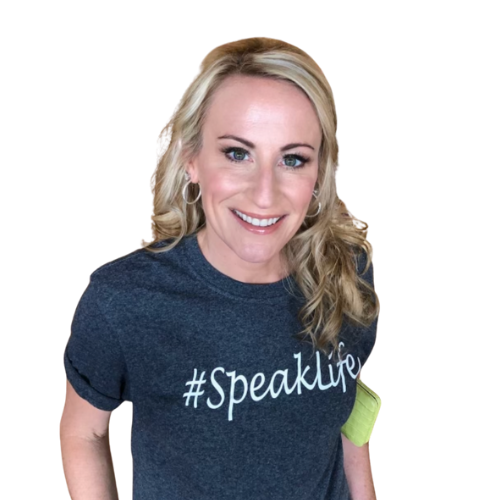
Kelly Zoe Pruitt
Kelly Zoe Pruitt, LCMHC, specializes in working with patients who are struggling with a range of mental health conditions. She earned her Master’s in Counseling from Liberty University in Lynchburg, VA, and has been practicing as a Licensed Clinical Mental Health Counselor (LCMHC) since 2013.
Kelly is dedicated to helping her patients develop coping skills and manage grief, OCD, panic attacks, peer relationships, self-esteem, stress, and women’s issues. Kelly loves working with patients open to exploring holistic options alongside traditional therapies. She specializes in treating trauma, PTSD, depression, and anxiety, while also addressing complex issues such as ADHD, anger management, antisocial personality disorder, behavioral problems, and career counseling.
She employs an “eclectic” therapeutic approach, incorporating behavioral and person-centered therapy to ensure personalized treatment plans. By integrating aspects of well-being such as exercise, habit stacking, and sleep hygiene, Kelly aims to help her patients achieve their mental health goals. Her “non-judgmental” approach to treatment includes developing a trusting clinical alliance early on in the treatment process with clients. Kelly aims to provide a welcoming and safe space where everyone feels heard and their unique needs are met.


What Our Patients Say
Hear from our patients about how Animo Sano Psychiatry has made a significant difference in their lives. Our commitment to quality care reflects in their stories of recovery and hope.
Our Partners Institutions


Insights and Tips
Stay informed with the latest insights and tips from our mental health providers. Our blog is a resource for anyone looking to deepen their understanding and develop strategies to support their mental health.


Frequently Asked Questions
Have questions? We have answers. Browse through our FAQ section to learn more about our psychiatry and behavioral health services, your first visit, and what to expect.
Don’t see your question here?
Start Your Treatment Journey Today
Let’s take your first step towards recovery, together.